
Cryptocurrency markets in 2025 have matured significantly, offering traders a diverse array of tools to navigate price volatility. The days of manual day trading as the sole method for profit generation are fading. In their place, sophisticated strategies involving market making, automated bots, and liquidity management have become accessible to retail investors.
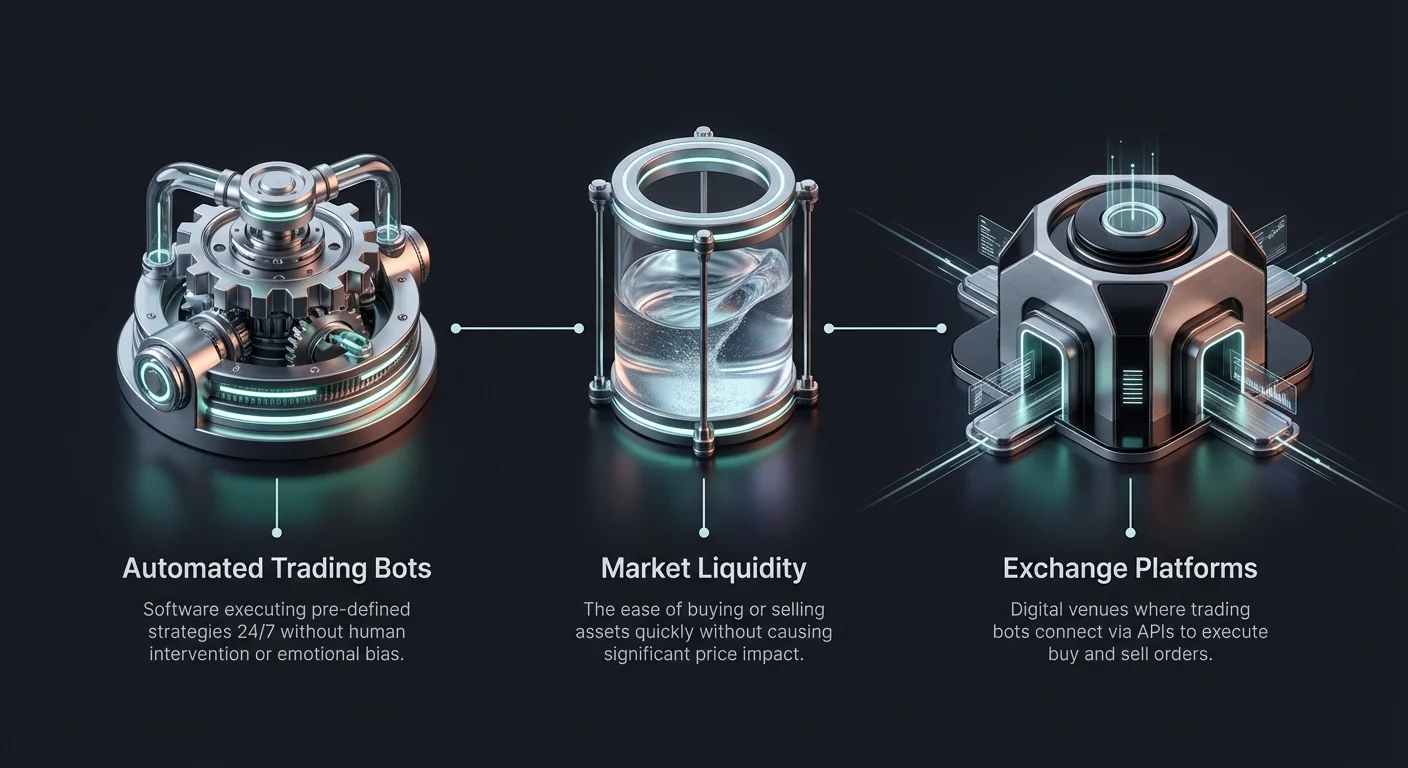
Understanding how liquidity works is fundamental to successful crypto trading. It refers to the ease with which an asset can be converted into cash or another coin without affecting its price. High liquidity generally means stable prices and fast execution, while low liquidity leads to slippage and volatility.
To capitalize on these market dynamics, traders now use automated software known as trading bots. These programs interact directly with exchange order books to execute strategies that would be impossible for a human to manage manually. They operate 24/7, removing the need for sleep and the danger of emotional decision-making.
By combining the right exchange environment with a well-configured bot, investors can adopt the role of a market maker. This involves providing liquidity to the order book and profiting from the spread or fee rebates, rather than just directional price movements. This article explores the technical and strategic landscape of setting up these automated systems.
The Evolution of Exchange Platforms
The infrastructure supporting digital assets has expanded beyond simple spot trading. Modern platforms now cater to various trading styles, from passive income seekers to high-frequency algorithmic traders.
Centralized vs. Decentralized Venues
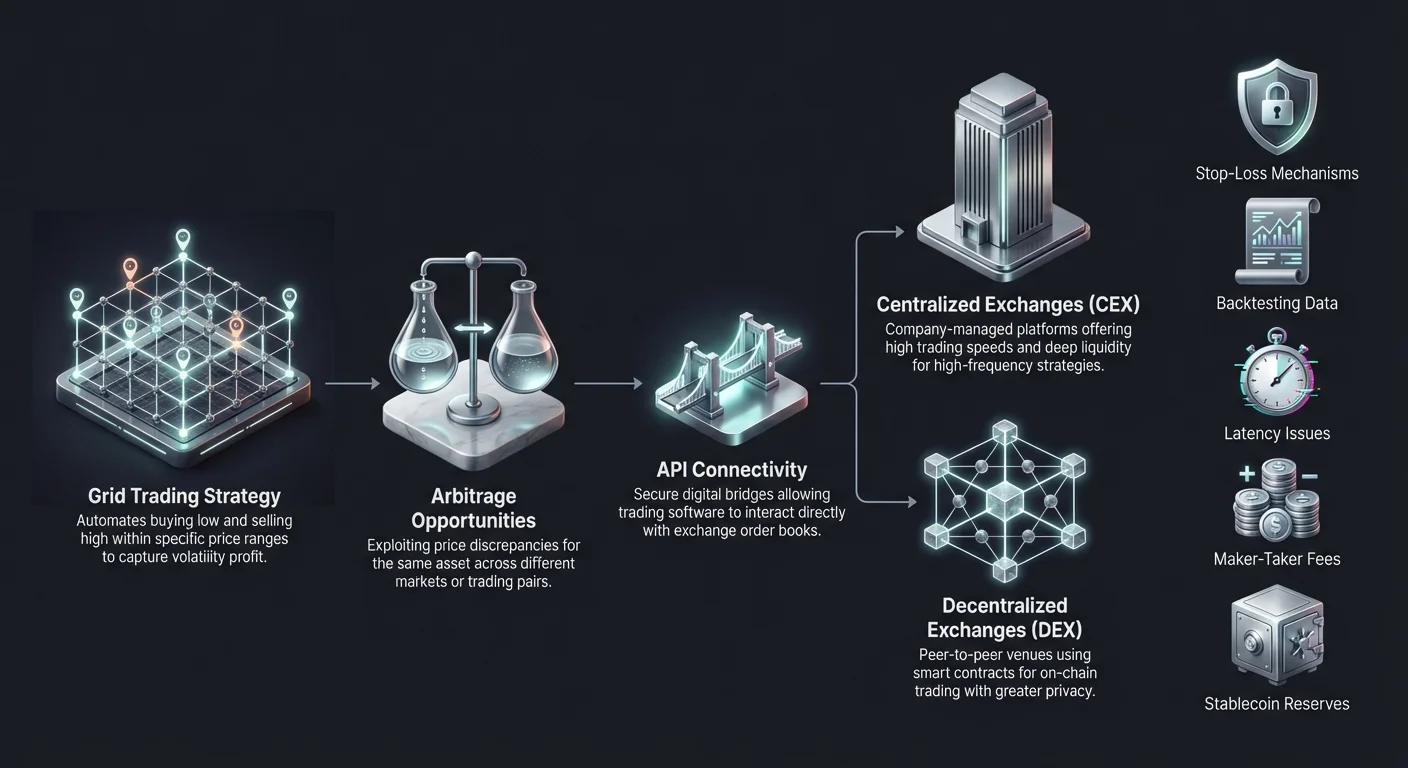
Centralized exchanges (CEX) remain the primary hubs for liquidity. They are operated by specific companies that manage the order books and custody funds. These platforms typically offer the highest trade speeds and deepest liquidity, making them ideal for high-frequency bots. They also provide fiat on-ramps, allowing users to deposit cash directly.
Decentralized exchanges (DEX), conversely, operate without a central authority. They use smart contracts and liquidity pools to facilitate swaps. While they offer greater privacy and self-custody, they can suffer from higher latency. This makes them less suitable for certain types of high-speed arbitrage bots but excellent for on-chain strategies.
Hybrid and Specialized Platforms
A new wave of hybrid exchanges attempts to merge the speed of centralized systems with the security of decentralized ones. These platforms often process orders off-chain for speed but settle them on-chain for transparency.
Specialized exchanges have also emerged. Some focus entirely on derivatives like futures and perpetual contracts, which are essential for hedging strategies. Others are dedicated to peer-to-peer (P2P) transactions or anonymous trading, catering to specific user needs regarding privacy and direct fiat settlement.
Določanje tržne likvidnosti in globine
Likvidnost se pogosto meri z razliko med najvišjo ponudbo in najnižjo zahtevo. Ozka razlika kaže na likviden trg, kjer se kupci in prodajalci tesno strinjajo glede cene. Široka razlika nakazuje pomanjkanje likvidnosti, kar je lahko dobičkonosno za tvorce trga, a drago za jemalnike trga.
Globina trga se nanaša na volumen naročil, ki čakajo v knjigi naročil na različnih nivojih cen. Trg z dobro globino lahko absorbira velika nakupna ali prodajna naročila brez drastičnega premika cen. Za trgovce z boti je ocena globine trga ključna pred uvedbo strategije, saj lahko plitvi trgi vodijo do znatnega zdrsa.
Mehanika avtomatiziranega trgovanja
Trgovalni boti so programske aplikacije, ki se povezujejo z borzo prek vmesnika za programiranje aplikacij (API). Ta povezava botu omogoča branje tržnih podatkov in pošiljanje navodil za naročila v realnem času.
Izvajanje trgovanja s algoritmi
Algoritmi sledijo strogemu naboru logičnih pravil, ki jih določi uporabnik ali razvijalec. Na primer, preprost algoritem bi lahko bil programiran za nakup Bitcoina, ko cena pade za 5 % in prodajo, ko se povrne za 3 %. Naprednejši algoritmi hkrati analizirajo več indikatorjev.
Ti boti nenehno preverjajo borzo za posodobitve cen. Ko tržne razmere ustrezajo prednastavljenim kriterijem, bot takoj sproži naročilo. Ta hitrost je primarna prednost, saj omogoča trgovcem odziv na tržne gibe v milisekundah, precej hitreje kot človeški reakcijski časi.
Odstranjevanje čustvene pristranskosti
Ena od največjih prednosti uporabe botov je odprava čustvenih motenj. Človeški trgovci pogosto postanejo žrtev strahu med tržnimi padci, ko prodajajo na dnu, ali pohlepa med vzponi, ko kupujejo na vrhu.
Bot nima čustev. Strategijo izvede natančno tako, kot je programirana, ne glede na tržno razpoloženje ali paniko. Ta doslednost je ključna za dolgoročne strategije, kot je dollar-cost averaging (DCA) ali grid trgovanje, kjer uspeh temelji na disciplinski izvedbi čez tedne ali mesece.
Grid Trading Strategies
Grid trading is one of the most effective strategies for sideways or ranging markets. It automates the process of buying low and selling high within a specific price range.
Setting Up the Grid
To configure a grid bot, a trader defines an upper price limit and a lower price limit. The software then divides this range into multiple "grids" or levels. At each level, the bot places a limit buy order below the current price and a limit sell order above it.
As the market fluctuates, the bot executes these orders. If the price drops, it triggers a buy order. If the price then rises, it triggers the corresponding sell order, capturing the difference as profit. This strategy turns normal market volatility into a series of small, consistent gains.
Optimization for Volatility
Grid trading thrives on volatility. The more the price bounces up and down within the defined range, the more trades the bot executes, and the more profit it generates. However, if the price breaks out of the range, the strategy may become less effective.
If the price rises above the upper limit, the bot will have sold all its assets and will sit idle with cash. If the price falls below the lower limit, the bot will have bought positions all the way down and will be holding assets at a loss. Traders must adjust their grids based on changing market trends.
Arbitrage Opportunities in Crypto
Arbitrage involves profiting from price discrepancies for the same asset across different markets. Since crypto exchanges operate independently, prices for a coin like Bitcoin can vary slightly between platforms.
Cross-Exchange Arbitrage
This is the most common form of arbitrage. A bot monitors the price of an asset on Exchange A and Exchange B. If the price on Exchange A is lower than on Exchange B, the bot buys on A and sells on B simultaneously.
The difference in price, minus trading and transfer fees, represents the profit. Speed is critical here, as these price gaps often close within seconds as other traders and bots exploit them. High-performance bots and low-latency connections are often required to compete in this space.
Triangular Arbitrage
Triangular arbitrage occurs on a single exchange. It involves trading three different currencies in a loop to exploit pricing inefficiencies between trading pairs.
For example, a trader might trade Bitcoin for Ethereum, then Ethereum for Litecoin, and finally Litecoin back to Bitcoin. If the exchange rates between these pairs are not perfectly aligned, the trader ends up with more Bitcoin than they started with. This strategy eliminates the need to transfer funds between exchanges but requires complex calculation algorithms.
Model provizij tvorca-jemalca
Razumevanje provizij borz je ključno za dobičkonosnost, še posebej za strategije visokofrekvenčnih botov. Večina borz uporablja model »tvorca-jemalca«, da spodbuja likvidnost.
»Tvorniki« so trgovci, ki postavijo limitna naročila, ki počivajo v knjigi naročil in čakajo na izpolnitev. Dodajajo likvidnost trgu. Ker pomagajo borzi delovati gladko, jim pogosto zaračunajo nižje provizije ali celo ponudijo povračila.
»Jemalci« so trgovci, ki postavijo tržna naročila, ki se izpolnijo takoj. Odstranjujejo likvidnost iz knjige naročil. Posledično jemalci običajno plačajo višje provizije. Boti za tvorbo trga so zasnovani tako, da delujejo kot tvorci, postavljajo limitna naročila za zajem razlike v cenah in minimiziranje stroškov provizij.
Copy Trading Ecosystems
For those who prefer a hands-off approach without configuring technical parameters, copy trading offers a social alternative to algorithmic bots.
How Copy Trading Works
Copy trading platforms allow users to browse profiles of experienced traders. These profiles display historical performance, risk metrics, and preferred assets. A user can choose to allocate a portion of their funds to automatically replicate the trades of a specific expert.
When the expert executes a buy or sell order, the copy trading system mirrors that action in the follower's account, adjusted proportionally to the amount invested. This allows beginners to leverage the expertise of seasoned professionals.
Benefits and Limitations
The primary benefit is accessibility. It lowers the barrier to entry for complex trading strategies. Users do not need to understand technical analysis or bot configuration to participate.
However, reliance on another trader carries risk. If the expert makes a bad decision, the follower loses money too. Additionally, the past performance of a trader does not guarantee future results. Users must still monitor their chosen traders and diversify their allocations to manage risk effectively.
Risk Management in Automation
Automated trading introduces specific risks that differ from manual investing. While bots remove emotional error, they introduce technical and systemic risks.
Flash Crashes and Black Swans
A "flash crash" occurs when the price of an asset drops dramatically in a very short period, often due to a cascade of automated sell orders. Bots that are not configured with safety mechanisms may react poorly to these events.
For example, a grid bot might continue buying all the way down a crash, exhausting the trader's funds on a failing asset. "Black swan" events—unpredictable, major market disruptions—can render a bot's strategy obsolete instantly. Traders should use stop-loss orders to halt bot activity during extreme volatility.
System Failures and Latency
Bots rely on continuous internet connections and stable exchange APIs. If the exchange goes offline for maintenance or the user's internet connection fails, the bot cannot manage open positions.
This is particularly dangerous if the bot has open leverage positions that need monitoring. Latency, or the delay in data transmission, can also result in orders being filled at worse prices than expected. Hosting bots on cloud servers rather than local computers can help mitigate connectivity issues.
Najboljše prakse varnosti za API ključe
Uporaba trgovalnih botov zahteva generiranje API ključev, ki delujejo kot gesla, ki programski opremi omogočajo dostop do računa borze. Varovanje teh ključev je ključno za preprečevanje kraje.
Pri ustvarjanju API ključa lahko uporabniki določijo specifična dovoljenja. Bistveno je podeliti samo dovoljenja »Trgovanje« in »Pogled«. Nikoli ne podelite dovoljenja »Izplačilo« trgovalnemu botu. To zagotavlja, da tudi če je API ključ ogrožen ali je programska oprema bota vdirana, napadalec ne more odstraniti sredstev z računa borze.
Izbira prave platforme borze
Izbira borze je enako ključna kot izbira bota. Niso vse borze združljive z vsemi strategijami ali programsko opremo.
Ocena likvidnosti in volumna
Za strategije, kot sta arbitraža in tvorba trga, je visok trgovalni volumen neizogiben. Platforma z nizkim volumnom ne bo imela dovolj aktivnosti za redno izpolnjevanje naročil bota.
Trgovci bi morali iskati borze, ki dosledno zasedajo visoka mesta po volumnu za specifične pare, ki nameravajo trgovati. Globoka likvidnost zagotavlja, da se trgovanja izvedejo po predvidljivih cenah, kar je ključno za tanke marže dobička, povezane z avtomatiziranimi strategijami.
Pregled struktur provizij
Provizije pojedo dobičke. To velja še posebej za grid trgovanje in visokofrekvenčne bote, ki lahko izvedejo stotine trgovanj na dan. Razlika 0,1 % v provizijah lahko spremeni dobičkonosno strategijo v izgubo.
Trgovci bi morali primerjati urnike provizij vrhunskih borz. Mnoge platforme ponujajo stopenjaste strukture provizij, kjer se stroški zmanjšujejo z rastjo trgovalnega volumna. Nekatere ponujajo tudi popuste za držanje domačega žetona borze. Najti platformo z nizkimi »tvorčevimi« provizijami je ključno za bote za tvorbo trga.
Technical Configuration of Bots
Setting up a bot requires understanding various technical parameters. These settings dictate how the bot behaves and reacts to market changes.
Entry and Exit Signals
Most bots rely on technical indicators to trigger trades. Common indicators include Moving Averages (MA), the Relative Strength Index (RSI), and Bollinger Bands.
For example, a trend-following bot might be configured to buy when the short-term moving average crosses above the long-term moving average. Conversely, a mean-reversion bot might buy when the RSI indicates the asset is oversold. Users must backtest these parameters against historical data to verify their effectiveness before risking real capital.
Stop-Loss and Take-Profit
Automated strategies must have clear exit rules. A take-profit setting ensures the bot locks in gains when a target price is reached, rather than holding too long and watching the profit evaporate.
A stop-loss is a safety net. It instructs the bot to sell the position if the price drops by a certain percentage, preventing a small loss from becoming a catastrophic one. Trailing stops are an advanced feature where the stop-loss price moves up as the asset price rises, securing profits while allowing for further growth.
Psihološki vidiki avtomatizacije
Medtem ko boti odpravljajo strah pred potegom za sprožilec trgovanja, uvajajo novo psihološko izziv: željo po vmešavanju.
Past prekomerne optimizacije
Trgovci pogosto padejo v past nenehnega prilagajanja nastavitev bota v odziv na kratkoročni tržni šum. To je znano kot prekomerna optimizacija. Strategija, ki dobro deluje dolgoročno, lahko ima dni ali tedne slabše uspešnosti.
Nenehno spreminjanje parametrov za lovljenje nedavne uspešnosti lahko vodi do strategije, ki je »prilagojena« preteklosti, a odpove v prihodnosti. Uspešno avtomatizirano trgovanje zahteva disciplino, da se strategija izvede čez statistično pomembno obdobje.
Spremljanje proti vmešavanju
Pomembno je spremljati bota, da se zagotovi pravilno tehnično delovanje. Vendar mikroupravljanje njegovih trgovanj porazbije namen avtomatizacije.
Če trgovec zapira pozicije bota ročno, ker »čuti«, da se trg obrača, ponovno uvaja čustveno pristranskost. Zaupanje v podatke in prednastavljeno logiko je bistveno. Poseganje bi moralo biti rezervirano za strukturne spremembe trga ali tehnične napake.
| Značilnost | Ročno trgovanje | Avtomatizirano trgovanje z boti |
|---|---|---|
| Dostopnost | Omejeno s spanjem/urnikom | Delovanje 24/7 |
| Hitrost | Čas človeške reakcije | Milisekunde |
| Čustva | Visoka čustvena pristranskost | Brez čustvene pristranskosti |
Avtomatizacija dollar-cost averaginga (DCA)
DCA je dolgoročna strategija, ki vključuje vlaganje fiksnega zneska v dolarjih ob rednih intervalih, ne glede na ceno sredstva.
Delovanje DCA botov
DCA bot odpravi ročni trud prijave vsak teden ali mesec za nakup. Uporabnik nastavi znesek (npr. 50 $) in interval (npr. vsak ponedeljek). Bot samodejno izvede tržni nakupni nalog ob tem času.
Ta strategija zmanjša vpliv volatilnosti. S kuhanjem več, ko so cene nizke, in manj, ko so visoke, se povprečni strošek na kovanec sčasoma zniža. Gre za pasivno strategijo, primerno za vlagatelje, ki gradijo dolgoročni portfelj.
Napredne funkcije DCA
Sodobni DCA boti ponujajo »pametne« funkcije. Na primer, lahko jih programiramo za pavzo nakupov, če je cena pretirano visoka glede na indikator, kot je RSI.
Na alternativno, »Martingale« DCA boti povečajo velikost nakupa, če cena pade, agresivno znižajo povprečno vstopno ceno. Čeprav to lahko vodi do hitrejšega okrevanja, ko cena naraste, nosi tudi višje tveganje, če sredstvo še naprej pada neskončno.
Vloga stabilnih kovancev
Stabilni kovanci so kriptovalute, vezane na vrednost fiat valut, kot je ameriški dolar. Igrajo ključno vlogo v avtomatiziranih trgovalnih strategijah.
Stabilni kovanci delujejo kot »gotovinska« rezerva za robote. Ko robot proda nestabilno sredstvo, kot je Bitcoin, da realizira dobiček, ga običajno zamenja za stabilni kovanec, kot je USDT ali USDC. To ohrani vrednost dobička med padci na trgu.
Poleg tega mnoge arbitražne in mrežne strategije delujejo na parih stabilnih kovancev (npr. USDT/USDC). Ker bi ti pari teoretično morali trgovati v razmerju 1:1, so odkloni majhni, a predvidljivi. Roboti lahko trgujejo te pare z zelo nizkim tveganjem in zajamejo majhne dobičke iz minimalnih nihanj med dvema vezanima sredstvoma.
Prihodnji trendi v algoritmičnem trgovanju
Medtem ko se premikamo skozi leto 2025, se integracija umetne inteligence (AI) v trgovalne bot-e vse bolj uveljavlja.
Umetna inteligenca in strojno učenje
Tradicionalni bot-i sledijo statični logiki „if-this-then-that“. Bot-i z umetno inteligenco pa se lahko učijo iz podatkov. Analizirajo ogromne količine zgodovinskih in podatkov trga v realnem času, da prepoznajo vzorce, ki so preveč zapleteni, da bi jih lahko človeški programerji eksplicitno definirali.
Ti sistemi lahko dinamično prilagajajo svoje strategije. Če se poveča volatilnost trga, lahko bot z umetno inteligenco samodejno razširi razmik svoje mreže. Če se trend obrne, lahko preide iz strategije momenta na strategijo vračanja k povprečju brez posredovanja uporabnika.
Visokofrekvenčno trgovanje (HFT)
Dostop maloprodajnih vlagateljev do orodij za visokofrekvenčno trgovanje se širi. HFT vključuje izvajanje tisočih naročil v delčkih sekunde za zajem mikroskopskih razlik v cenah.
Čeprav je bil zgodovinsko gledano domena institucionalnih podjetij s superračunalniki, je oblačno računanje naredilo poenostavljene strategije HFT dostopne javnosti. Te strategije zahtevajo povezave z izjemno nizko zakasnitvijo in borze, ki lahko obvladajo ogromen prepustnost.
Skladnost z regulativo in KYC
Regulatorno okolje za kripto borze se po svetu zaostruje. Skladnost je zdaj pomemben dejavnik pri izbiri platforme za avtomatizirano trgovanje.
Predpisi Poznaj svojega stranko (KYC) zahtevajo, da uporabniki pred trgovanjem preverijo svojo identiteto. Večina vrhunskih centraliziranih borz zahteva KYC. Čeprav to zmanjša anonimnost, na splošno poveča varnost in zanesljivost platforme.
Uporaba reguliranih borz je za trgovce z roboti pogosto varnejša. Te platforme imajo pogosteje robustne varnostne ukrepe, zavarovalne sklade za heke in pravno možnost pritožbe v primeru sporov. Trgovci naj bodo previdni pred nereguliranimi »offshore« borzami, ki obljubljajo visoko vzvode, a nimajo nadzora.
Evaluating Exchange Security
Security is the foundation of any trading strategy. If the exchange is compromised, the profitability of the bot becomes irrelevant.
Cold Storage and Reserves
Top exchanges keep the majority of user funds in "cold storage," meaning they are offline and inaccessible to hackers. Only a small percentage is kept in "hot wallets" for active trading.
Additionally, many exchanges now publish "Proof of Reserves." This is a cryptographic verification that the exchange actually holds the assets it claims to hold. Traders should prioritize platforms that offer this transparency to ensure their funds are backed 1-to-1.
Insurance Funds
Some exchanges maintain an insurance fund (like Binance's SAFU). This fund is designed to compensate users in the event of a security breach or other platform failures.
Knowing that a safety net exists provides peace of mind, especially when running automated strategies with significant capital. It is worth checking the size and terms of these funds when selecting an exchange.
Družbena trgovalna omrežja
Družbeno trgovanje sega dlje od preproste kopije trgovanja. Vključuje skupnostni vidik, kjer trgovci delijo vpoglede, grafe in strategije.
Platforme, ki integrirajo družbene funkcije, omogočajo uporabnikom razpravo o tržnih razmerah v realnem času. Trgovec z roboti lahko deli svojo konfiguracijo za specifičen tržni cikel, kar drugim omogoča testiranje in izboljšavo. To sodelovalno okolje pospeši učenje.
Vendar naj uporabniki ostanejo kritični. »Modrost množice« se lahko včasih spremeni v čredno mentaliteto, ki vodi v mehurčke ali panično prodajo. Neodvisna analiza naj vedno potrdi družbeni sentiment.
Impact of Leverage on Automation
Leverage allows traders to trade with borrowed funds, amplifying both profits and losses. Many bots support margin and futures trading.
Amplified Risks
Using leverage with bots is high-risk. A small price movement against the position can lead to liquidation, where the exchange automatically closes the trade and seizes the collateral.
Because bots execute trades automatically, a series of losing trades on high leverage can wipe out an account balance very quickly. Beginners are strongly advised to start with spot trading (no leverage) before experimenting with margin bots.
Futures Arbitrage
One popular low-risk strategy involving leverage is "cash and carry" or funding rate arbitrage. This involves buying the asset on the spot market and shorting it on the futures market.
Since futures prices often trade at a premium to spot prices, the trader captures the difference. Bots can automate the management of these two opposing positions to ensure they remain balanced (delta neutral) while collecting the funding fees paid by other leverage traders.
Nastavitev vašega prvega robota
Postopek zagonov robota vključuje več ločenih korakov, od izbire strategije do življenske izvedbe.
Izbira strategije
Prvi korak je določitev cilja. Je cilj kopiti več Bitcoina sčasoma? Primerna je DCA ali mrežna strategija. Je cilj rast vrednosti v USD? Boljša bi bila arbitražna ali strategija sledenja trendu.
Strategija mora ustrezati trenutnim tržnim razmeram. V bikovskem trgu najbolje deluje sledenje trendu. V stranskem trgu odlično uspeva mrežno trgovanje. Uporaba napačne strategije za fazo trga je pogost vzrok neuspeha.
Nazajtestiranje
Pred tveganjem resničnega denarja naj uporabniki »nazajtestirajo« svojo konfiguracijo. To vključuje zagon logike robota proti zgodovinskim cenovnim podatkom, da vidijo, kako bi se obnesel.
Večina platform za robote ponuja orodja za nazajtestiranje. Če simulacija pokaže izgubo, je treba prilagoditi parametre. Vendar morajo trgovci spomniti, da pretekla uspešnost ne zagotavlja prihodnjih rezultatov. Nazajtestiranje potrjuje logiko, ne prihodnjega dobička.
Papirnato trgovanje
Po nazajtestiranju je naslednji korak »papirnato trgovanje«. To je življenska simulacija z uporabo ponarejenega denarja. Robot se poveže z realnimi tržnimi podatki in »izvaja« trgovanja brez dejanskega premikanja sredstev.
Zagon papirnatega trgovalnega robota za teden ali dva omogoči trgovcu, da vidi, kako se sistem obnaša v realnih razmerah. Pomaga odkriti težave s nastavitvami ali povezljivostjo, preden se prevzame finančno tveganje.
Raznovrstnost likvidnostnih strategij
Zanašanje samo na eno strategijo ali en kovanec je tvegano. Profesionalni ustvarjalci trga raznovrstijo svoje operacije.
Trgovanje z več pari
Namesto da poganja mrežnega robota samo na Bitcoin/USDT, lahko trgovec poganja robote tudi na Ethereum/USDT in Solana/USDT. Različna sredstva imajo različne profile nihanja.
Ko je Bitcoin stagnira, so lahko altkovi nihajoči, kar omogoči tistim robotom generiranje dobička. Raznovrstnost po nekoreliranih sredstvih izravna krivuljo lastniškega kapitala in zmanjša vpliv padca enega samega sredstva.
Mešanje strategij
Trgovci lahko mešajo tudi vrste strategij. Portfelj lahko sestavlja 50 % DCA robotov za dolgoročno kopičenje, 30 % mrežnih robotov za denarni tok v stranskih trgih in 20 % arbitražnih robotov za nizko tvegane dobičke.
Ta uravnotežen pristop zagotovi, da ima trgovec izpostavljenost različnim tržnim mehanizmom. Prepreči, da bi bil portfelj popolnoma odvisen od ene vrste gibanja trga.
Troubleshooting Common Bot Issues
Even with careful setup, bots can encounter problems. Recognizing these issues early minimizes downtime and losses.
API Errors
"Invalid API Key" or "Permission Denied" errors are common. These usually mean the key has expired, was entered incorrectly, or lacks the necessary permissions. Regenerating the key on the exchange usually fixes this.
"Rate Limit Exceeded" errors occur when the bot sends too many requests to the exchange in a short time. Exchanges limit the number of actions a user can take per second. Increasing the time interval between the bot's checks can resolve this.
Insufficient Funds
A bot will stop working if it runs out of the quote currency (e.g., USDT) to buy or the base currency (e.g., BTC) to sell. This often happens in grid trading when the price moves out of range.
Traders need to monitor their balances. Rebalancing the portfolio or adding more funds may be necessary to keep the bot running. Some advanced bots have "auto-rebalance" features to handle this.
The Importance of Low Latency
In the world of automated trading, speed is a competitive advantage. Latency is the time delay between a signal and the execution.
Co-Location
Professional trading firms "co-locate" their servers in the same data center as the exchange's servers. This reduces the physical distance data must travel, shaving off milliseconds.
While retail traders cannot usually co-locate, using a Virtual Private Server (VPS) located in a major financial hub (like Tokyo or London) can significantly improve speed compared to running a bot on a home laptop with residential Wi-Fi.
Cloud-Based Bot Services
Many modern bot platforms are cloud-based. The user accesses a dashboard via a web browser, but the bot itself runs on the company's high-speed servers.
This eliminates the need for the user to keep their computer on 24/7. It also generally provides better reliability and lower latency than a local setup. For most retail traders, cloud-based solutions offer the best balance of performance and ease of use.
Conclusion
The landscape of cryptocurrency trading in 2025 offers unprecedented opportunities for retail investors to utilize institutional-grade strategies. Market making bots, grid trading systems, and arbitrage tools allow individuals to participate in the market as liquidity providers rather than just speculators. By automating entry and exit points, traders can remove the psychological barriers that often lead to losses and ensure consistent execution of their strategies around the clock.
However, automation is not a guarantee of profit. It requires a deep understanding of market mechanics, careful selection of exchange platforms, and rigorous risk management. Traders must navigate the technical challenges of API management and the systemic risks of flash crashes and platform outages. Success lies in the balance between leveraging technology for efficiency and maintaining human oversight for strategic direction.
Successful automated trading requires combining a robust strategy with continuous monitoring, strict risk management, and a diversified approach to market conditions.