DeFi jeb decentralizēto finanšu ainava piedāvā nepieredzētas iespējas autonomijai un finanšu izaugsmei, tomēr tā ievieš sarežģītu risku kopumu, kas ievērojami atšķiras no tradicionālajām bankām. Parastajā finanšu pasaulē centralizētas iestādes pārvalda glabāšanu, izpildi un drošību, bieži vien slēpjot pamata mehānismus no lietotāja. Decentralizētajā ekosistēmā indivīdi uzņemas pilnu atbildību par saviem aktīviem. Šī pāreja prasa dziļu izpratni par pieejamajiem rīkiem tirgus svārstību un tehnisko kļūmju riska pārvaldībai.
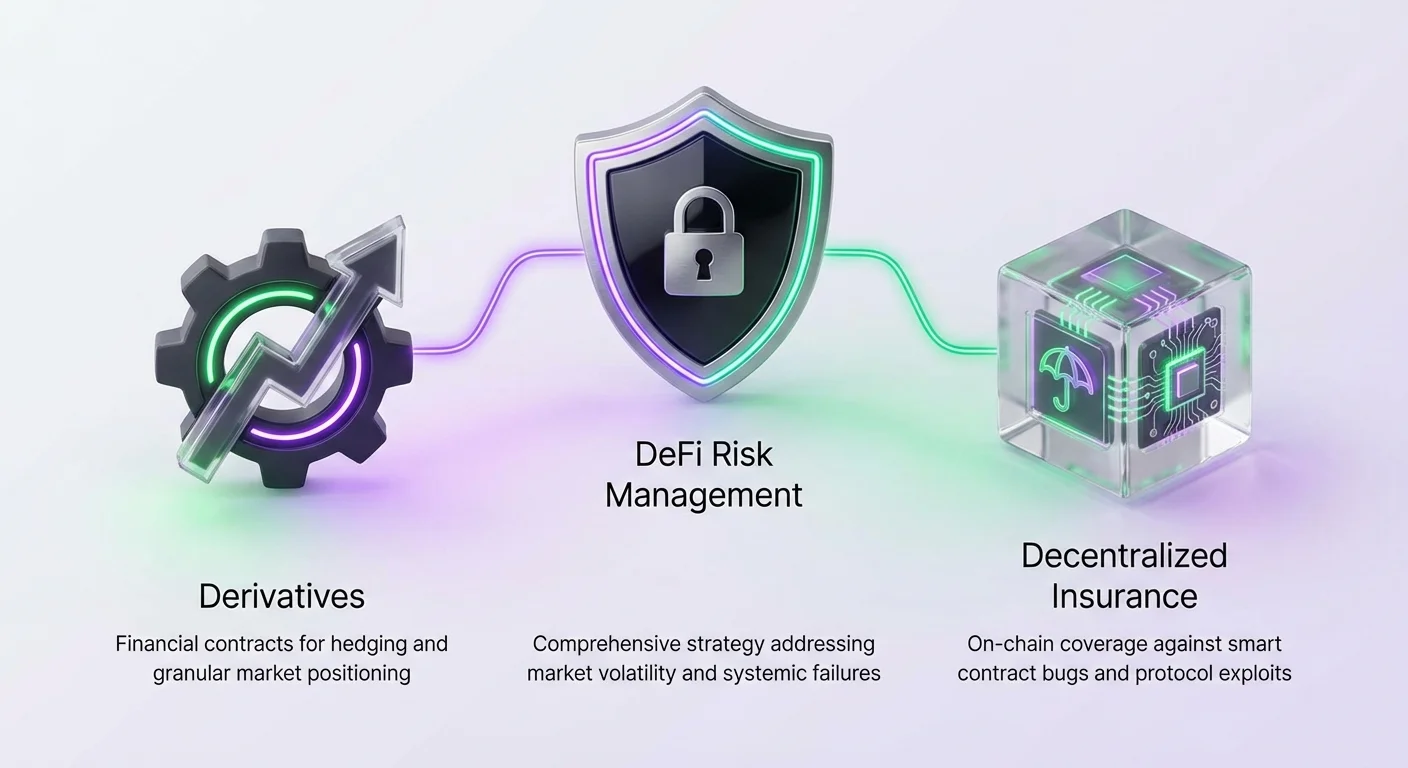
Šajā vidē risks nav monolīts. Tas aptver visu — no aktīvu cenu finanšu svārstībām līdz protokolu pārvaldošā koda strukturālajai integritātei. Lietotājiem, kas pārvietojas šajā telpā, jāizstrādā visaptveroša stratēģija, kas risina gan tirgus kustības, gan sistēmiskās kļūmes potenciālu. Tas ietver izpratni par finanšu instrumentiem, kas ļauj veikt hedžingu, piemēram, derivātiem, kā arī aizsardzības pasākumiem, piemēram, decentralizēto apdrošināšanu. Apgūstot šos komponentus, dalībnieki var izveidot izturīgāku pieeju digitālo aktīvu pārvaldībai.
Spēja izteikt granulāras viedokļus par tirgus virzienu un aizsargāt pret specifiskiem iznākumiem ir centrāla advance DeFi lietošanai. Atšķirībā no vienkāršas spot turēšanas, kur lietotājs tikai cer uz cenu pieaugumu, sarežģīta riska pārvaldība ietver aktīvu pozicionēšanu. Šajā rakstā tiek izpētīti derivātu tirdzniecības mehānismi, sviras matemātiskās realitātes un apdrošināšanas protokolu kritiskā loma viedlīguma ievainojamību aizsardzībai.
Decentralizēto derivātu mehānika
Derivāti kalpo kā pamata balsts riska pārvaldībai decentralizētajos tirgos. Šie finanšu līgumi iegūst savu vērtību no pamata kriptovalūtas vai digitālā aktīva, piemēram, Bitcoin vai Ethereum. Pastāv būtiska atšķirība starp derivātu tirdzniecību un spot tirgu tirdzniecību. Pērkot spot tirgū, lietotājs iegādājas pašu aktīvu, izteikdams netiešu pārliecību, ka tā vērtība pieaugs.
Pretēji tam, derivāti ļauj tirgotājiem izteikt viedokļus gan par cenu pieaugumu, gan kritumu, neobligāti piederot pamata aktīvam. Šī elastība ir būtiska svārstīgu tirgu navigācijai, kur cenas īsos periodos var ievērojami svārstīties. Izmantojot šos instrumentus, dalībnieki var atdalīt savu finanšu ekspozīciju no konkrētā tirdzniecības žetona glabāšanas prasības.
Perpetuālo līgumu izpratne
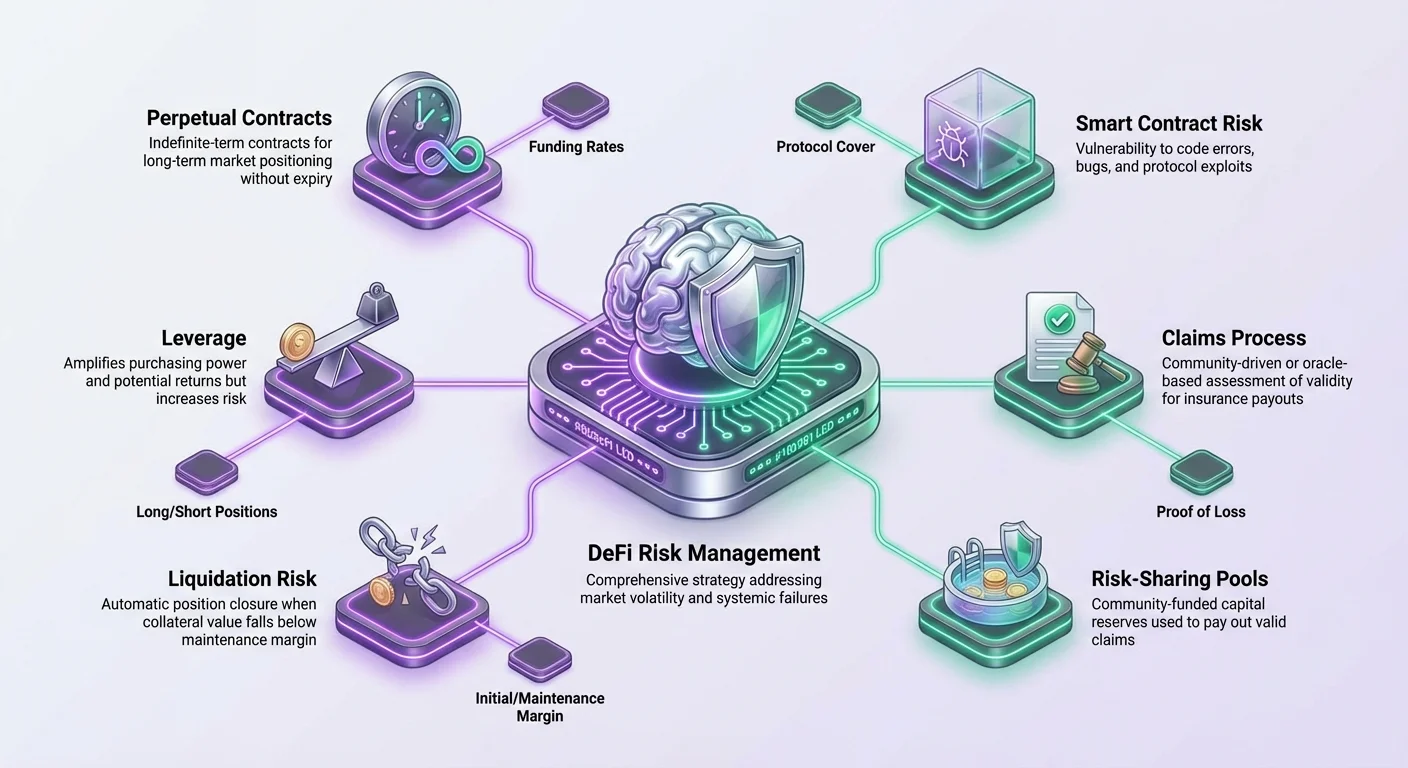
Biežākā derivātu forma DeFi sektorā ir perpetuālais nākotnes līgums. Atšķirībā no tradicionālajiem nākotnes līgumiem ar noteiktu derīguma termiņu, perpetuālos var turēt nenoteikti ilgi, ja tirgotājs uztur pietiekamu nodrošinājumu. Šī struktūra ļauj ilgtermiņa pozicionēšanai bez nepārtrauktas līgumu pārkotēšanas.
Perpetuālie līgumi balstās uz viedlīgumu sistēmu, lai atvieglotu tirdzniecību starp vienaudžiem. Tas novērš nepieciešamību pēc centrālās klīringa palātas, kas ir standarts tradicionālajās finansēs. Darbojoties blokķēdes tīklos, šie protokoli piedāvā caurspīdīgumu attiecībā uz rīkojumu izpildi un līdzekļu glabāšanu.
Gara un īsa pozīcija
Perpetuālo tirdzniecība ietver divas galvenās darbības: došanās garā vai īsā pozīcijā. Šīs pozīcijas ļauj tirgotājiem gūt peļņu no tirgus svārstībām jebkurā virzienā. Gara pozīcija pārstāv optimistisku noskaņojumu. Tirgotājs pērk perpetuālo līgumu ar cerību, ka pamata aktīva vērtība laika gaitā pieaugs. Ja tirgus pieaug, līguma vērtība pieaug.
Pretēji tam, īsa pozīcija pārstāv pesimistisku skatījumu. Tirgotājs pārdod līgumu, gaidot aktīva vērtības kritumu. Šī spēja ir īpaši vērtīga hedžingam. Ja lietotājs tur lielu daudzumu konkrēta žetona, viņš var atvērt īsu pozīciju, lai kompensētu potenciālos zaudējumus, ja tirgus krīt. Šī stratēģija neitralizē cenu risku, aizsargājot portfeļa dolāra vērtību.
Leverage and Capital Efficiency
One of the primary features attracting users to derivatives is leverage. Leverage increases purchasing power, allowing traders to control a position size that exceeds their deposited capital. This mechanism can significantly amplify returns, but it simultaneously increases the risk profile of the trade.
For example, if a trader deposits 100 USDC, using 1x leverage means they control 100 USDC worth of contracts. However, applying 3x leverage allows them to purchase a theoretical maximum of 300 USDC worth of contracts. This efficiency enables traders to gain significant market exposure without committing large amounts of capital upfront.
Calculating Leverage Ratios
Understanding the mathematics of leverage is vital for survival in DeFi markets. As position size increases relative to collateral, the margin for error decreases. Different assets often have different maximum leverage limits based on their volatility. For instance, major pairs like BTC-USD might offer up to 20x leverage on platforms like dYdX, while more volatile assets like AVAX-USD might be capped at 10x.
Consider a scenario where a trader deposits 100 USDC to go long on Bitcoin. The relationship between leverage and position size is linear, but the risk scales dynamically. At 0.5x leverage, the user buys 50 USDC worth of BTC, leaving a large safety buffer. At 10x leverage, they control 1,000 USDC worth of Bitcoin using that same 100 USDC deposit.
The Double-Edged Sword of Amplified Returns
While leverage magnifies gains, it applies the same multiplier to losses. A small percentage move in the underlying asset can result in a total loss of the deposited collateral if high leverage is used. New users are generally advised to stick to 1x leverage or less to understand the mechanics before increasing risk.
The amplification effect creates a high-stakes environment. If a trader uses 10x leverage, a mere 10% move against their position effectively wipes out their equity. Conversely, a 10% move in their favor doubles their initial capital. This asymmetry requires disciplined risk management and a clear understanding of the liquidation thresholds associated with higher leverage ratios.
Liquidation Dynamics and Margin Management
Liquidation is the automatic process that occurs when a trader's collateral is no longer sufficient to support their open position. In decentralized protocols, this process is handled by smart contracts to ensure the solvency of the system. When a position is liquidated, the protocol closes the trade, and the trader loses their margin.
To prevent this, traders must understand the concepts of initial margin and maintenance margin. Initial margin is the collateral required to open a new position or add to an existing one. It acts as the entry ticket to the trade.
Initial Versus Maintenance Margin
Maintenance margin is the minimum amount of equity a trader must hold to keep a position open. This threshold is lower than the initial margin but is the critical line in the sand. If the value of the collateral falls below this specific maintenance requirement due to adverse price movements, the liquidation engine triggers.
Once triggered, the system automatically sells the position to repay the debt. The trader not only loses their specific collateral but often pays a liquidation fee. This fee incentivizes the protocol or third-party keepers to execute the liquidation promptly, protecting the wider system from bad debt.
Analyzing Liquidation Scenarios
To visualize the risk, consider a trader with 100 USD of collateral buying Bitcoin at a price of 20,000 USD. The liquidation price moves closer to the entry price as leverage increases. This reduces the buffer the trader has against market volatility.
At 1x leverage, buying 100 USDC of BTC, the liquidation price is extremely low (around 600 USD), meaning Bitcoin would have to crash nearly 97% for the trader to be liquidated. However, at 10x leverage, controlling 1,000 USD of BTC, the liquidation price sits at 18,600 USD. A drop of just 7% from the entry price results in total loss.
| Leverage | Collateral | Position Size | Liquidation Price |
|---|---|---|---|
| 1x | 100 USDC | 100 USDC | ~600 USD |
| 5x | 100 USDC | 500 USDC | 16,600 USD |
| 10x | 100 USDC | 1,000 USDC | 18,600 USD |
Finansēšanas likmes mehānisms
Finansēšanas likmes ir mehānisms, ko izmanto perpetuālo nākotnes protokoli, lai piesaistītu līguma cenu pamata aktīva spot cenai. Tā kā perpetuālie nekad nebeidzas, nav galīgās izlīdzināšanas datuma, kas piespiestu cenas konvergēt. Finansēšana darbojas kā periodiska maksājuma starp tirgotājiem, lai koriģētu cenu novirzes.
Šī sistēma nodrošina, ka derivāta cena neatkāpjās pārāk tālu no aktīva reālās tirgus vērtības. Tā darbojas kā līdzsvarošanas akts, ko virza tirgus noskaņojums un atvērto pozīciju bilance.
Cenu darbības līdzsvarošana
Kad perpetuālā līguma cena tirgojas augstāk par pamata spot cenu, tas norāda uz optimistisku noskaņojumu ar vairāk garām pozīcijām nekā īsām. Šajā scenārijā finansēšanas likme kļūst pozitīva. Tirgotāji ar garām pozīcijām maksā nodevu tiem, kas tur īsās pozīcijas.
Pretēji tam, kad perpetuālā cena ir zem pamata aktīva cenas, noskaņojums ir pesimistisks. Īsās pozīcijas dominē tirgū. Lai motivētu līdzsvaru, finansēšanas likme kļūst negatīva, kas nozīmē, ka īsās pozīcijas maksā garajām. Šī finanšu motivācija mudina tirgotājus ieņemt pretēju tendences pusi, palīdzot cenu virzīt atpakaļ uz spot vērtību.
Ietekme uz ilgtermiņa turēšanu
Finansēšanas maksājumi var ievērojami ietekmēt pozīcijas ienesīgumu laika gaitā. Ja tirgotājs ir "konsensa darījumā", tas nozīmē, ka viņš derina tajā pašā virzienā kā tirgus vairākums, viņš, visticamāk, maksās finansēšanas nodevas.
Ilgtermiņa turētājam šīs nodevas darbojas kā nodoklis pozīcijai. Tirgotājs var pareizi paredzēt tirgus virzienu, bet, ja viņš tur augsti svirinātu pozīciju nedēļām, maksājot augstas finansēšanas likmes, nodevas var apēst vai pārsniegt viņa peļņu. Tirgotājiem jāuzrauga šīs likmes nepārtraukti, lai nodrošinātu, ka darījuma uzturēšanas izmaksas nepārsniedz potenciālo peļņu.
Operacionālie un viedlīguma riski
Kaut arī derivāti ļauj lietotājiem pārvaldīt tirgus risku, tie neaizsargā pret decentralizēto finanšu tehniskajiem riskiem. DeFi pilnībā balstās uz kodu. Protokoli ir būvēti uz viedlīgumiem — pašizpildošām programmām, kas uzglabātas blokķēdē. Ja šie līgumi satur kļūdas, vaboles vai ievainojamības, tiem bloķētie līdzekļi var tikt apdraudēti.
Tas ievieš riska slāni, kas atšķiras no cenu svārstībām. Lietotājs var veikt perfektu darījumu, pareizi paredzot tirgus virzienu, bet joprojām zaudēt kapitālu, ja platforma, ko viņš izmanto, cietīs katastrofālu kļūmi.
Koda kļūdes draudi
Viedlīgumi pārvalda visu — no darījumu izpildes līdz nodrošinājuma glabāšanai. Loģikas kļūda var ļaut ļaunprātīgiem dalībniekiem iztukšot likviditātes baseinus vai manipulēt bilances. Atšķirībā no centralizētām sistēmām, kur datubāzi var atgūt vai banka var iejaukties, blokķēdes darījumi ir nemaināmi. Kad līdzekļi tiek nozagtie caur viedlīguma ekspluatāciju, tie parasti ir neatgūstami.
Augstas kvalitātes protokoli tiek auditēti, bet auditus nav drošības garantija. Protokoliem pievienojot funkcijas un sarežģītību, palielinās potenciālo uzbrukumu virsma. Šī realitāte padara "viedlīguma risku" par vienu no izplatītākajiem draudiem DeFi ekosistēmā.
Biržas maksātspējas un glabāšanas risks
Papildus koda kļūdām pastāv riski, kas saistīti ar aktīvu glabāšanu. Lai gan īstais DeFi veicina pašglabāšanu, lietotāji bieži mijiedarbojas ar hibrīdām sistēmām vai centralizētām biržām pirms pāriešanas uz ķēdi. Centralizētās platformas nes maksātspējas riskus, kur iestāde var neturēt pietiekami aktīvu, lai segtu lietotāju izņemšanas.
Pat DeFi ietvaros pastāv aizņēmumu baseinu vai stablecoin piesaistes maksātspējas riski. Ja protokols uzņemas sliktu parādu vai ja stablecoin nodrošinājums izgāžas, tie lietotāji, kas tur šos aktīvus vai izmanto šīs platformas, var ciest zaudējumus. Tas padara nepieciešamu aizsardzības slāni aiz vienkāršām tirdzniecības stratēģijām.
The Architecture of Decentralized Insurance
To mitigate on-chain risks, the DeFi sector has developed decentralized insurance alternatives. These platforms allow users to purchase cover against specific events, such as smart contract hacks or protocol failures. These decentralized applications (DApps) aim to provide the same peace of mind as traditional insurance but with the efficiency and transparency of blockchain technology.
Platforms like Nexus Mutual operate as decentralized autonomous organizations (DAOs). They are owned by their members rather than a corporate entity. This structure aligns the incentives of the insurers and the insured, as the community itself is responsible for the capital pool and claims assessment.
Comparison with Traditional Insurance
Traditional insurance companies are often criticized for high overhead costs, slow processing times, and opaque decision-making. They rely on large workforces, physical real estate, and centralized bureaucracies. In contrast, DeFi insurance protocols utilize smart contracts to automate many administrative functions.
This automation allows for continuous operation. There are no business hours or holidays in DeFi; coverage is available 24/7. Furthermore, the assessment of risk is distributed among a pool of experts and community members rather than being decided by a closed internal committee. This transparency ensures that the rules for payouts are clear and verifiable on-chain.
The Role of Risk Sharing Pools
Funds in decentralized insurance protocols are typically held in risk-sharing pools. Members contribute capital to these pools in exchange for tokens, such as the NXM token in Nexus Mutual. These funds serve as the capital reserve used to pay out valid claims.
The tokenomics of these platforms often tie governance to risk assessment. Members stake tokens to signal confidence in the security of specific protocols. If a protocol is deemed safe by the community, the cost of coverage for that protocol may decrease. This creates a market-driven approach to pricing risk, where the collective intelligence of the network determines the premiums.
Acquiring Coverage for Digital Assets
Buying insurance in DeFi is a permissionless process that requires a digital wallet and cryptocurrency. The process begins with identifying the specific risks a user wants to hedge against. Cover is generally specific to a protocol; a user buys protection for assets held on a lending platform like Aave or a decentralized exchange like dYdX.
Users must possess a self-custodial wallet, such as the Bitcoin.com Wallet, to interact with these DApps. Self-custody ensures the user retains control over the funds used to pay premiums and receive potential payouts.
Essential Prerequisites for Coverage
Before purchasing cover, a user needs the appropriate cryptocurrency to pay for transaction fees and the insurance premium. On Ethereum-based platforms, ETH is required for gas fees. The premium itself is often priced in the platform's native token or a major asset like ETH or DAI.
The user must connect their wallet to the insurance platform's interface. Once connected, they browse the available products. It is crucial to verify that the specific DApp or protocol where funds are deployed is listed. Not every DeFi protocol has available insurance capacity, as risk assessors must first stake capital against it.
Selecting Parameters and Premiums
The purchasing interface typically asks the user to define two key variables: the amount of cover and the duration of the policy. The cover amount should match the value of the assets the user has at risk. For example, if a user has deposited 10 ETH into a lending pool, they should purchase cover for 10 ETH.
The duration can range from a few days to several months. Based on these inputs—the risk profile of the target protocol, the amount, and the time—the smart contract calculates a premium. Once the user approves the transaction and pays the premium, the cover becomes active immediately on the blockchain.
Executing the Claims Process
The value of insurance is only realized during a crisis. If a covered event occurs, such as a smart contract hack draining funds from a protocol, the policyholder must submit a claim. This process differs from traditional insurance in that it is often handled through a community vote or data oracle rather than a claims adjuster.
Cover holders generally have a specific window of time to file a claim after an incident occurs. It is vital to understand the terms of the policy, as claims submitted too late may be rejected. The transparency of the blockchain aids this process, as the exploit is usually visible on the public ledger.
Submission and Assessment
To initiate a claim, the user connects their wallet to the insurance platform and navigates to the claims section. They select the active policy and submit the request. In decentralized models like Nexus Mutual, this submission is then reviewed by other members of the mutual.
These members act as claims assessors. They review the evidence to determine if the event falls under the policy's definitions. For instance, they must verify that funds were lost due to a smart contract bug rather than a user error like losing a private key (which is typically not covered).
Proof of Loss Requirements
Depending on the platform, the user may need to provide specific proof of loss. This could involve signing a transaction from the affected address or pointing to specific on-chain data that proves the funds were stolen. Since all transactions are public, the burden of proof is often strictly data-driven.
Once the community or the oracle system validates the claim, the payout is authorized. The funds are transferred directly from the risk-sharing pool to the user's wallet. This settlement process bypasses the banking system, often resulting in faster access to capital for recovery.
Secinājumi
Decentralizēto finanšu risku navigācija prasa daudzpusēju pieeju, kas pārsniedz vienkāršu aktīvu izvēli. Izmantojot derivātus, investori var pārvaldīt cenu svārstības, hedžējot savus portfeļus pret kritumiem un izmantojot sviru kapitāla efektivitātes optimizēšanai. Tomēr šie finanšu rīki nes savus briesmoņus, īpaši attiecībā uz likvidāciju un finansēšanas izmaksām, kas prasa modru uzraudzību un disciplīnātu maržas pārvaldību.
Vienlaikus DeFi tehniskais pamats prasa savu aizsardzības slāni. Viedlīguma kļūmes un protokolu eksploiti paliek pastāvīgs drauds. Decentralizētās apdrošināšanas platformas nodrošina kritisku drošības tīklu, ļaujot lietotājiem nodot šos riskus kopienas atbalstītam baseinam. Apvienojot hedžinga stratēģijas ar protokolu polises, dalībnieki var iesaistīties DeFi ekosistēmā, minimizējot katastrofālu zaudējumu potenciālu.
Efektīva riska pārvaldība DeFi nav par riska pilnīgu izvairīšanos, bet par tā izpratni, kvantificēšanu un aktīvu mazināšanu ar pareizajiem rīkiem.