
Decentralized finance has evolved significantly beyond simple token swaps and basic holding strategies. As the ecosystem matures, sophisticated investors seek ways to stabilize returns and manage risk with greater precision. The volatility inherent in cryptocurrency markets often makes it difficult to predict future values or secure consistent income streams. However, by combining advanced financial tools, users can construct products that offer more predictable outcomes. This involves utilizing derivatives to manage price exposure and insurance protocols to mitigate systemic risks.
The creation of structured yield products in a decentralized environment places the power of financial engineering into the hands of the individual. Unlike traditional finance, where structured notes are sold by banks with opaque fees, DeFi allows users to build these positions transparently. This process usually involves locking in rates or hedging exposure using fixed-income derivatives or perpetual futures. By doing so, an investor can isolate specific sources of yield while neutralizing unwanted market noise.
To execute this effectively, one must understand the underlying components. These include derivative contracts that track asset prices and insurance mechanisms that protect capital. The interplay between these elements allows for the creation of a "structured product" that acts somewhat like a bond or a hedged dividend stock. The goal is to generate a return that is distinct from the directional movement of the market. This article explores the specific mechanisms, tools, and strategies required to build such positions using decentralized protocols.
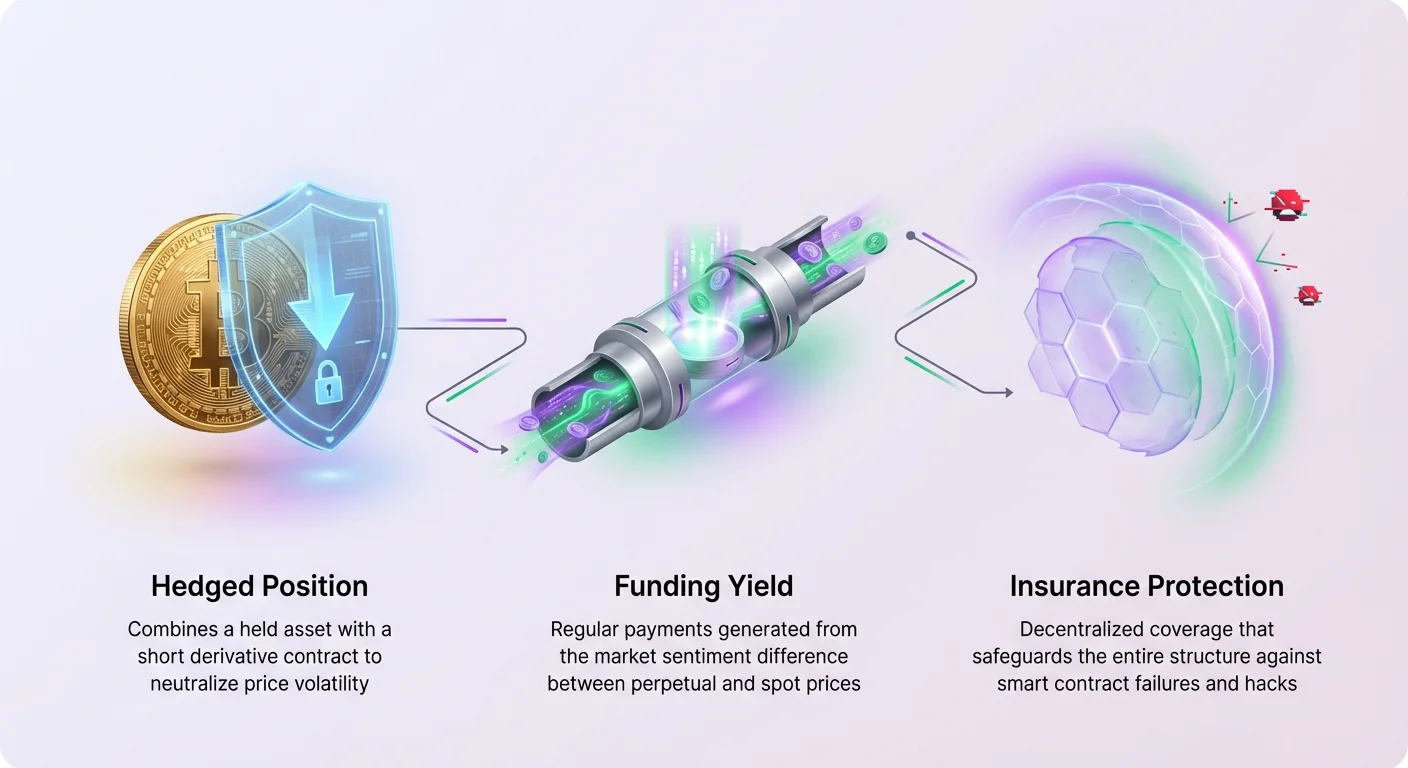
DeFi derivātu pamati
Derivāti kalpo kā pamatelementi strukturētiem finanšu produktiem kripto ekonomikā. Decentralizēto finanšu kontekstā tie ir finanšu līgumi, kas iegūst savu vērtību no pamata kriptovalūtas vai digitālā aktīva. Tie fundamentāli atšķiras no spot tirdzniecības. Kad lietotājs pērk digitālo aktīvu spot tirgū, viņš pieder patiesais žetons un izsaka netiešu viedokli, ka tā vērtība pieaugs. Derivāti, otrādi, piedāvā elastību viedokļa izteikšanai gan uz augšu, gan uz leju virzītā cenu kustībā, ne turot aktīvu pašu.
Šie finanšu instrumenti nodrošina piekļuvi svirai, kas ir kritisks elements kapitāla efektivitātē. Svira palielina pirkšanas spēju, ļaujot tirgotājiem pārvaldīt lielākas pozīcijas ar mazākiem nodrošinājuma apjomiem. Lai gan tas palielina risku, tas ir būtisks ienesības produktu strukturēšanai, kur kapitāla efektivitāte nosaka kopējo ieguldījuma ienesību. Šo instrumentu tirdzniecība decentralizētos protokolos piedāvā izteiktas priekšrocības salīdzinājumā ar centralizētiem alternatīviem.
Decentralizētās derivātu platformas aizsargā lietotājus no necaurspīdīgiem operacionāliem riskiem. Centralizētās biržas laiku pa laikam ir iesaistījušās krāpnieciskā uzvedībā vai cietušas no vājām iekšējām risku pārvaldības praksēm. Decentralizētās aplikācijas darbojas uz viedajiem līgumiem, nodrošinot, ka tirdzniecības noteikumi tiek izpildīti ar kodu, nevis cilvēku starpniekiem. Šī caurspīdīgums ir vitāls, būvējot ilgtermiņa strukturētas pozīcijas. Lietotāji tieši mijiedarbojas ar protokolu, saglabājot kontroli pār saviem līdzekļiem līdz tirdzniecības izpildei.
Mūžīgo futuru mehānika
Mūžīgie futuri ir izplatītākā derivātu forma, ko izmanto šajās stratēģijās. Atšķirībā no tradicionāliem nākotnes līgumiem, mūžīgie nav ar derīguma termiņu. Tos var turēt nenoteikti ilgi, ja tirgotājs uztur pietiekamu maržu. Šī funkcija ļauj izmantot tos ilgtermiņa ienesības strukturēšanai. Lietotājiem nav jāveic līgumu "pārrullēšana" nepārtraukti vai jāpārvalda derīguma termiņi, kas vienkāršo pozīcijas pārvaldību.
Tirdzniecības process ietver divus primāros virzienus: long un short. Long nozīmē pārliecību, ka pamata aktīvs pieaugs vērtībā. Tas tiek sasniegts, pērkot mūžīgo līgumu. Short, savukārt, izsaka viedokli, ka aktīvs kristīs vērtībā. Tas tiek darīts, pārdodot līgumu. Strukturētā ienesības produktā short pozīcija bieži kalpo kā hedžs, nevis spekulācijas derība. Tā neitralizē turētā aktīva cenas kustību.
Platformas kā dYdX exemplificē šo tehnoloģiju. Kā layer-2 decentralizēta birža, dYdX piedāvā ātras darījumu ātruma un samazinātas izmaksas, vienlaikus norēķinoties uz Ethereum. Šī efektivitāte ir nepieciešama sarežģītām stratēģijām, kas var prasīt biežas korekcijas. Platforma darbojas uz viedajiem līgumiem, izslēdzot centrālos trešos पक्षus. Šī infrastruktūra atbalsta uzticamu mūžīgo līgumu izpildi, kas nepieciešami likmju bloķēšanai un ienesības ģenerēšanai.
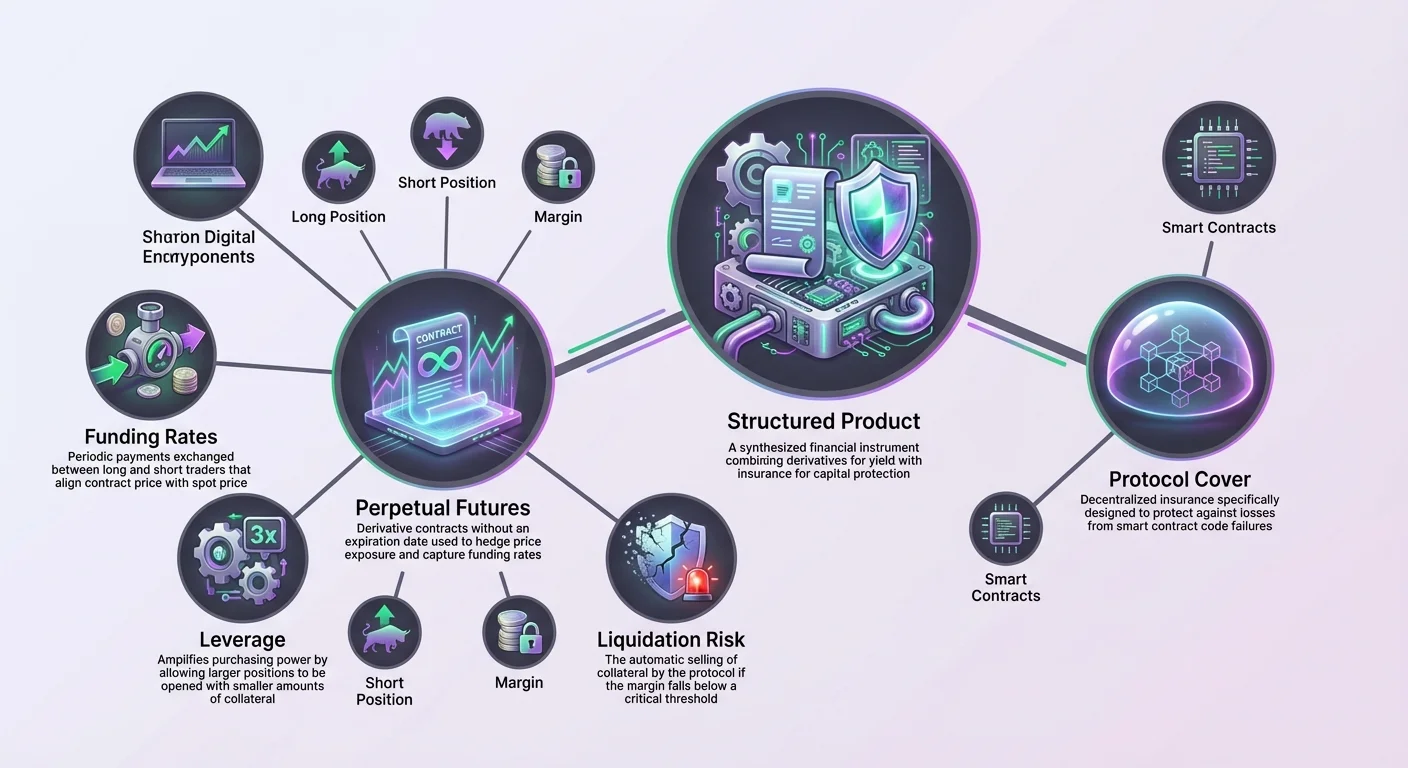
Finansēšanas likmju izpratne kā ienesības
Daudzu struktūru derivātu produktu ienesības dzinējs ir finansēšanas likmju mehānisms. Tā kā mūžīgajiem futūriem nav derīguma termiņa, tiem ir nepieciešams mehānisms, lai līguma cena būtu saskaņota ar pamata aktīva spot cenu. Finansēšanas likmes kalpo šim mērķim. Tās ir periodiskas maksājumi, ko apmaina tirgotāji ar long pozīcijām un short pozīcijām.
Kad mūžīgā līguma cena ir augstāka par pamata spot cenu, tirgus noskaņojums tiek uzskatīts par bullish. Šajā scenārijā tirgotāji ar long pozīcijām maksā nodevu tiem ar short pozīcijām. Šis maksājums motivē arbitrāžas tirgotājus pārdot līgumus, pazeminot cenu uz spot līmeni. Pretēji, kad līgums tirgojas zem spot cenas, short maksā long. Tas veicina pirkšanas spiedienu, lai paceltu cenu atpakaļ uz augšu.
Strukturēta produkta radītājam šī finansēšanas likme ir ienesības plūsma. Tipiski bullish kripto tirgū finansēšanas likmes bieži ir pozitīvas. Tas nozīmē, ka short pārdevēji saņem regulārus maksājumus no long tirgotājiem. Turot short pozīciju, investors var savākt šo "nodevu" par bullish noskaņojumu. Ja pozīcija ir hedžēta pret spot turēšanu, šī finansēšanas ienākums kļūst par neto peļņu, neatkarīgi no tā, vai tirgus iet uz augšu vai leju.
Capital Efficiency Through Leverage
Leverage allows investors to amplify the effectiveness of their capital within a structured product. It enables the purchase or sale of more contracts than the collateral would normally permit. For instance, depositing 100 USDC with 3x leverage allows for a theoretical position size of 300 USDC. This amplification is useful for maximizing the yield generated from funding rates. However, it introduces significant risks that must be managed carefully.
The use of leverage relates directly to the concept of margin. Margin acts as the collateral necessary to open and maintain a trade. It is categorized into initial margin and maintenance margin. Initial margin is the amount required to open the position. Maintenance margin is the minimum amount required to keep the position open. If the value of the collateral falls below this threshold due to adverse price movements, the protocol will liquidate the position.
In a structured yield scenario, leverage is typically used conservatively. High leverage increases the probability of liquidation, which would destroy the structure of the product. For new users or those seeking stable yields, using leverage of 1x or less is often recommended. This reduces the risk of liquidation to near zero while still allowing the user to participate in the derivatives market. The goal is to maintain the position long enough to collect yield, not to gamble on short-term price spikes.
Risk Management and Liquidation
Liquidation is the primary threat to any derivative-based strategy. It occurs when the trader runs out of margin. In a decentralized environment, this process is automated. Smart contracts monitor the value of the position relative to the collateral. If the maintenance margin requirement is breached, the protocol automatically sells the collateral to cover the position, often charging a liquidation fee in the process.
Understanding the liquidation price is crucial for stability. For a long position, the liquidation price is below the entry price. For a short position, it is above the entry price. For example, if a trader shorts Bitcoin at 20,000 USD with 2x leverage, the liquidation price might be around 29,400 USD. If Bitcoin rises to that level, the position is wiped out. Lower leverage results in a liquidation price that is further away from the current market price, providing a wider safety buffer.
To build a robust product, one must monitor the "health" of the position. This involves ensuring that there is always enough collateral to withstand market volatility. In DeFi, where markets run 24/7 and can experience rapid double-digit percentage moves, conservative margin management is non-negotiable. The stability of the yield depends entirely on the position remaining open and solvent during turbulent market conditions.
Stratēģijas izpilde: maciņi un iemaksas
Šo stratēģiju praktiskā izpilde sākas ar digitālo maciņu. Pašpārvaldnieka maciņš ir vārti uz decentralizētām aplikācijām. Atšķirībā no uzglabāšanas kontiem, kur trešā puse tur atslēgas, pašpārvaldnieka režīms dod lietotājam pilnu kontroli pār saviem aktīviem. Tas ir priekšnoteikums mijiedarbībai ar protokoliem kā dYdX vai Nexus Mutual. Maciņš kalpo kā gan identitāte, gan bankas konts lietotājam.
Lai tirgotos, maciņā jābūt kriptovalūtai darījumu nodevu apmaksai un kā nodrošinājumam. Nodevas tiek maksātas blokķēdes pamatvalūtā, piemēram, ETH Ethereum balstītiem darījumiem. Pirms pozīcijas ieiešanas lietotājam jānodrošina pietiekami līdzekļi tīkla izmaksu segšanai. Papildus tam specifiskie aktīvi, kas nepieciešami derivātu tirdzniecībai, piemēram, USDC vai citas stabilmonētas, jābūt pieejamiem maciņā.
Derivātu platformas bieži izmanto layer-2 risinājumus vai atsevišķas ķēdes veiktspējas uzlabošanai. Tas prasa aktīvu iemaksu specifiskajā DApp. Lietotājs savieno savu maciņu ar vietni, apstiprina savienojumu un uzsāk iemaksas darījumu. Tas pārvieto līdzekļus no galvenās blokķēdes uz tirdzniecības platformas viedajiem līgumiem. Kad darījums ir apstrādāts, līdzekļi ir pieejami tirdzniecībai. Šis solis pārvērš aktīvus no vispārēja maciņa stāvokļa uz specifisku tirdzniecības bilanci.
Pasūtījumu veidi un pozīcijas atvēršana
Pozīcijas atvēršana ietver pareizā tirgus un pasūtījuma veida izvēli. Divas primārās metodes ir tirgus pasūtījumi un limitu pasūtījumi. Tirgus pasūtījums izpildās nekavējoties par labāko pieejamo pašreizējo cenu. Tas nodrošina tūlītēju pozīcijas atvēršanu, bet nepiedāvā cenu garantijas. Svārstīgos tirgos izpildes cena var nedaudz atšķirties no displeja cenas, parādība, ko sauc par slīpumu.
Limitu pasūtījumi piedāvā lielāku precizitāti. Lietotājs norāda precīzu cenu, par kuru ir gatavs izpildīt darījumu. Pasūtījums tiks izpildīts tikai tad, ja tirgus sasniegs šo cenu vai labāku. Strukturētam produktam, kur ieejas cena nosaka hedža efektivitāti, limitu pasūtījumi bieži ir izvēlēti. Tie ļauj radītājam būt precīzam par savu ieeju, nodrošinot, ka ienesības stratēģijas matemātika turas.
Lai izpildītu, lietotājs izvēlas tirgu (piem., BTC-USD), ievada pozīcijas izmēru un izvēlas virzienu (pirkt vai pārdot). Ja izmanto sviru, slīdni vai ievades lauku pielāgo vēlamajam reizinātājam. Kad detaļas ir apstiprinātas, nospiež "Place Order" pogu. Maciņš verificēs darījumu (ja tas ir on-chain pasūtījums) vai parakstīs ziņu (layer-2 saskaņošanai), un pozīcija kļūst aktīva.
Securing the Structure: The Role of Insurance
While derivatives allow for the construction of yield, they do not eliminate technical risks. The DeFi ecosystem relies on smart contracts, which are essentially code. Code can contain bugs, and platforms can be vulnerable to hacks. To create a truly "structured" product that rivals traditional finance in safety, one must mitigate these platform-specific risks. This is where decentralized insurance comes into play.
Decentralized insurance platforms allow users to purchase cover for various on-chain risks. This increases efficiency and transparency compared to traditional insurance. Assessments are performed by the community, and the entire process is governed by smart contracts. There are no business hours or holidays; protection is available 24/7. This aligns perfectly with the always-on nature of derivative trading.
By purchasing cover, an investor protects the capital deployed in the derivative strategy. If the derivatives exchange were to suffer a smart contract failure or a hack that resulted in a loss of funds, the insurance policy would provide a payout. This creates a "principal protected" structure where the market risk is hedged via the derivative, and the platform risk is hedged via the insurance.
Coverage Types and Selection
Platforms like Nexus Mutual offer specific types of coverage tailored to DeFi users. The most relevant for this strategy is Protocol Cover. This protects against financial losses resulting from failures in the smart contract code of a specific protocol. If an investor is using dYdX to generate yield, they would purchase Protocol Cover specifically for dYdX. This ensures that the specific venue housing their funds is insured.
When selecting cover, the user acts as a member of a risk-sharing pool. The process is transparent and community-driven. Users holding the platform's governance token often participate in risk assessment and claims assessment. This decentralized approach ensures that the incentives of the insurers and the insured are aligned. The capital backing the insurance comes from a shared pool of funds provided by members who earn rewards for underwriting the risk.
To buy cover, the user connects their wallet to the insurance application. They browse for the specific protocol they wish to insure. Once selected, they input the amount of cover required (usually matching the size of their derivative position) and the duration of the policy. A premium is calculated based on these factors. If the user accepts the quote, they pay the premium in crypto, and the cover becomes active immediately.
| Feature | Traditional Insurance | DeFi Insurance |
|---|---|---|
| Governance | Centralized Company | Decentralized DAO |
| Operations | Business Hours | 24/7 Smart Contracts |
| Assessment | Internal Adjusters | Community Voting |
The Claims Process
The value of insurance lies in the ability to make a claim. In decentralized insurance, the claims process is designed to be rigorous yet accessible. If an incident occurs, such as a hack of the derivative platform, the cover holder can submit a claim. This must be done within the specific timeframe outlined in the policy, usually during the cover period or shortly after.
Submitting a claim requires connecting the wallet to the platform. The user navigates to their active covers and selects the option to file a claim. They must provide details of the incident and proof of loss. Since the blockchain is a public ledger, proof of loss is often verifiable on-chain. The user points to the transactions showing they held funds on the compromised platform at the time of the hack.
Once submitted, the claim is reviewed. On platforms like Nexus Mutual, this review is conducted by other members who act as claims assessors. They vote on the validity of the claim based on the evidence and the policy wording. If the consensus is to approve the claim, the payout is authorized. The funds are then sent directly to the user's wallet. This process removes the arbitrary denial risk often associated with centralized insurers, provided the loss falls clearly within the defined terms.
Synthesizing the Product
Creating the final structured yield product involves combining the derivative position with the insurance wrapper. The investor starts by acquiring the spot asset or stablecoin. They then deposit this collateral into the derivative protocol. A short position is opened to neutralize the price exposure of the asset, effectively locking in the dollar value of the portfolio. This step converts a volatile asset into a stable, yield-bearing instrument via funding rates.
Simultaneously, the investor purchases insurance cover for the derivative protocol. The cost of this insurance (the premium) is a drag on the yield. However, it transforms the risk profile. The net yield of the structured product is the funding rate income minus the insurance premium. If the funding rate is 10% annually and the insurance cost is 2% annually, the investor creates a net 8% yield that is hedged against price crashes and platform hacks.
This synthesis effectively creates a "fixed-income" style derivative. While the rate isn't mathematically fixed—funding rates fluctuate—it provides a cash-flow positive stance that is uncorrelated with the market's direction. This is the essence of financial engineering in DeFi: taking raw primitives like perps and cover to build something greater than the sum of its parts.
Uzraudzība un korekcijas
Kad produkts ir izveidots, tam nepieciešama aktīva uzraudzība. Finansēšanas likmes ir dinamiskas. Spēcīgā lāču tirgū finansēšana var kļūt negatīva, nozīmējot, ka short maksā long. Ja tas turpinās, stratēģija zaudē naudu. Investoram jābūt gatavam aizvērt pozīciju, ja tirgus vide mainās nelabvēlīgi. Atšķirībā no pasīvas obligācijas, šis strukturētais produkts ir dzīva stratēģija, kas reaģē uz tirgus noskaņojumu.
Papildus tam apdrošināšanas polisei ir fiksēts ilgums. Ja stratēģija paredzēta ilgtermiņam, lietotājam jāatjauno polise pirms termiņa beigām. Ļaujot polisēm beigties, pakļauj galveno kapitālu viedā līguma riskam. Šo termiņu pārvaldība ir daļa no pašstruktūrēta produkta administratīvā sloga.
Lietotājiem jāuzrauga arī sava maržas attiecība. Pat ar delta-neitrālu hedžu, ekstremāla svārstīguma var ietekmēt likvidācijas cenu. Nodrošinājuma pievienošana augsta stresa periodos nodrošina struktūras saglabāšanos. Šī uzturēšana ir kompromiss par augstas, caurspīdīgas ienesības piekļuvi bez starpnieka.
Conclusion
Creating structured yield products using fixed-income derivatives and insurance in DeFi represents a significant leap in personal financial management. By utilizing perpetual futures, investors can isolate funding rates as a source of income, separating yield from asset appreciation. The integration of decentralized insurance further refines this strategy by mitigating the unique technical risks associated with blockchain protocols.
This approach empowers individuals to act as their own financial engineers. They can customize the level of leverage, the duration of insurance coverage, and the specific assets involved to tailor a product that meets their risk tolerance. While it requires more active management than traditional banking products, the transparency and potential for higher returns make it a compelling alternative for the sophisticated crypto investor.
By combining short derivative positions to capture funding rates with comprehensive smart contract insurance, investors can engineer stable, protected yield streams in decentralized markets.