
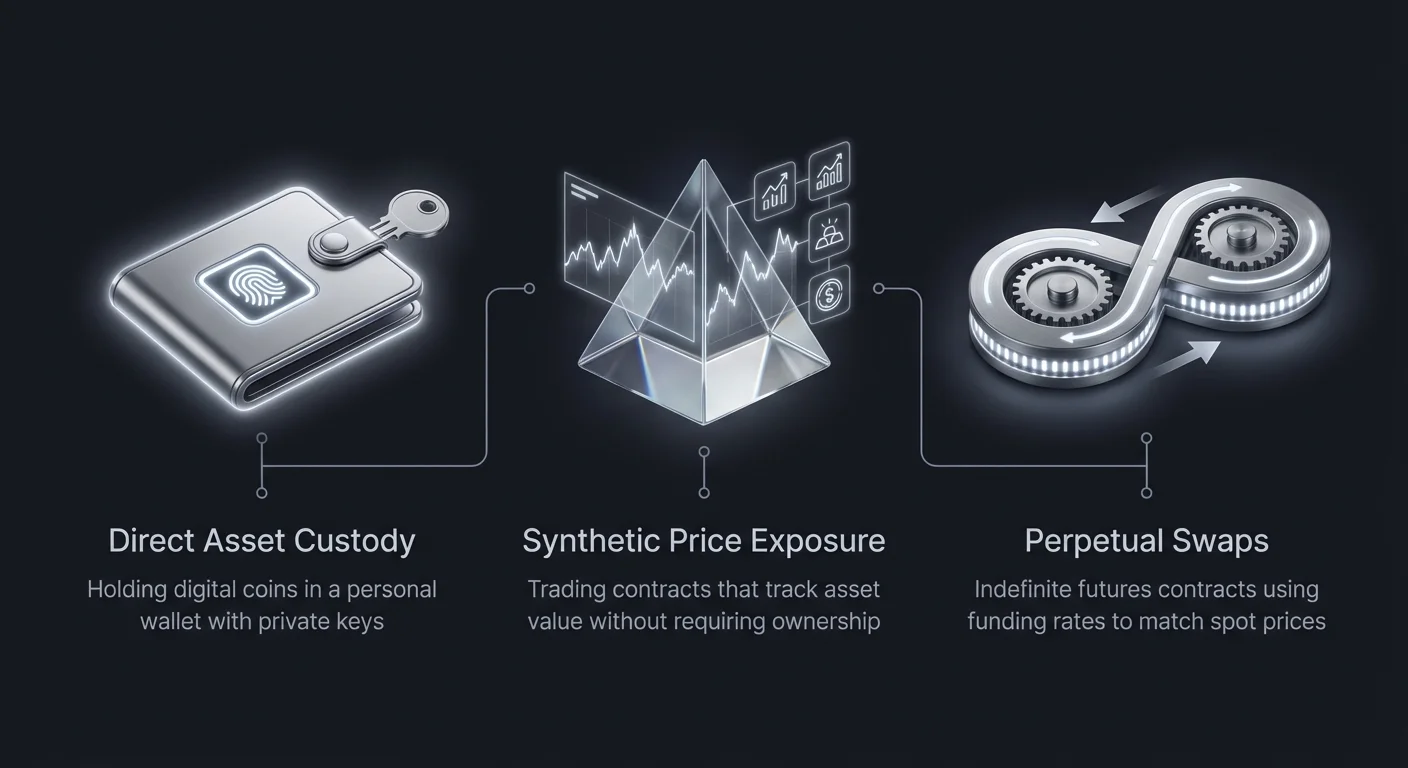
The landscape of digital currency investment has evolved significantly beyond the simple act of buying and holding coins in a digital wallet. Modern financial infrastructure now allows participants to gain exposure to price movements without ever taking custody of the underlying asset. This shift has given rise to a sophisticated market of synthetic assets and perpetual swaps. These financial instruments enable traders to speculate on value, hedge against volatility, and manage risk in ways that mirror traditional finance.
Rather than dealing with the technical complexities of private keys and blockchain storage, traders can utilize contracts that track asset prices. This approach strips away the logistical burdens of ownership while retaining the potential for profit. It opens the door to advanced strategies involving leverage, short selling, and cross-asset collateralization. As the market matures, platforms are increasingly integrating these derivative products alongside traditional spot markets to serve a diverse range of strategies.
The Evolution of Derivative Trading
The journey from basic spot trading to complex derivatives represents a maturation of the crypto ecosystem. Initially, users were limited to direct peer-to-peer exchanges or centralized order books where they exchanged fiat for digital tokens. This required setting up secure wallets and managing private keys, processes that carried significant operational risks. The introduction of derivative platforms changed this dynamic by allowing users to trade contracts based on asset prices rather than the assets themselves.
Derivatives such as futures and options were the first steps in this evolution. These contracts allowed traders to agree on a price for a future date, providing a mechanism to bet on market direction. However, traditional futures come with expiration dates, forcing traders to roll over contracts to maintain a position. This friction point led to the innovation of the perpetual swap, a contract that never expires and mimics the spot price closely through a funding mechanism.
Today, the market includes a wide array of synthetic products. Platforms like PrimeXBT allow users to trade traditional financial assets, such as commodities, forex, and indices, using cryptocurrency as collateral. This convergence of traditional finance and digital assets means a trader can use Bitcoin to speculate on gold prices or the S&P 500. It effectively breaks down the barriers between different asset classes, creating a unified trading environment.
Understanding Perpetual Swaps
Perpetual swaps have become the dominant form of derivative trading in the cryptocurrency sector. Unlike standard futures contracts, which have a set settlement date, perpetual swaps can be held indefinitely as long as the trader maintains sufficient margin. This design solves the issue of liquidity fragmentation across different expiration dates. It consolidates trading volume into a single instrument that tracks the underlying spot price.
The mechanism that keeps the swap price tethered to the spot price is known as the funding rate. This is a periodic payment exchanged between long and short position holders. If the swap trades at a premium to the spot price, longs pay shorts. Conversely, if the swap trades at a discount, shorts pay longs. This financial incentive ensures that the derivative price does not deviate significantly from the actual market value of the asset.
Traders gravitate toward perpetual swaps for their capital efficiency. These instruments allow for high leverage, meaning a trader can control a large position with a relatively small amount of collateral. For instance, platforms like Kraken and Bitget offer futures trading that empowers users to amplify their market exposure. This capability is a double-edged sword, offering the potential for significant gains while introducing the risk of rapid liquidation.
Mechanics of Synthetic Exposure
Synthetic assets represent a category of financial instruments that simulate the value of another asset. In the crypto space, this often involves using digital tokens to track the price of real-world assets like stocks, fiat currencies, or commodities. The primary utility of a synthetic asset is to provide price exposure without the regulatory or logistical hurdles of owning the actual item.
Cross-Asset Trading Opportunities
One of the most powerful applications of synthetic assets is the ability to trade across different markets using a single currency base. A trader holding Bitcoin might want to hedge against a market downturn by taking a position in gold or a stable fiat currency. In a traditional setup, this would require selling the crypto, withdrawing fiat, and opening a brokerage account.
Synthetic platforms streamline this process. By utilizing crypto collateral, users can instantly open positions in foreign exchange markets or commodity indices. This fluidity allows for sophisticated portfolio management where capital can flow rapidly between sectors. It creates a trading environment where the only limiting factor is market insight, rather than banking infrastructure or settlement delays.
The Role of Collateral
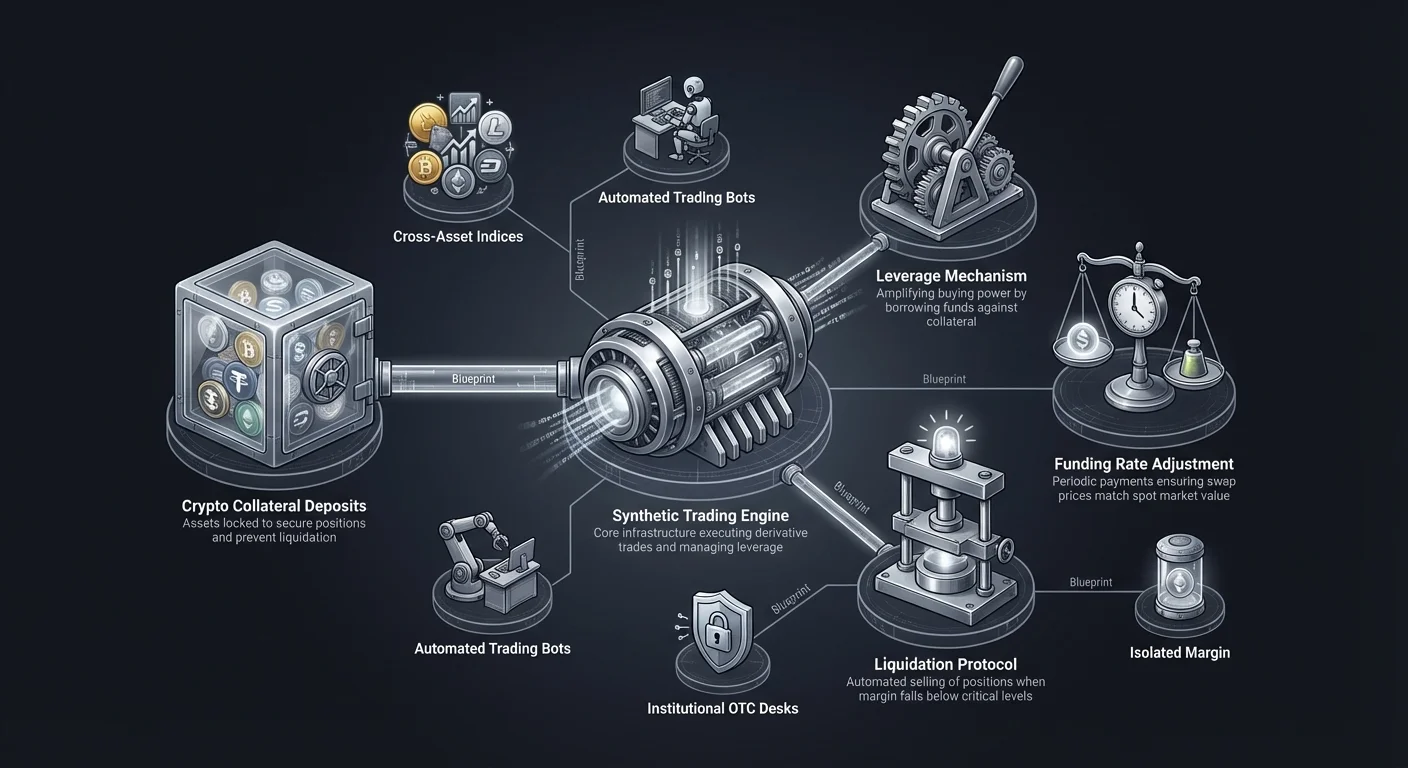
Collateral is the bedrock of trading without ownership. In synthetic and derivative markets, the trader deposits a base asset, often a stablecoin like USDT or a major cryptocurrency like Bitcoin, to secure their positions. This collateral acts as a security deposit against potential losses. The amount of collateral required depends on the leverage used and the volatility of the asset being traded.
Platforms enforce strict maintenance margins to protect the system’s solvency. If a trade moves against the user and their collateral value dips below a certain threshold, the position is liquidated. This automated risk management is crucial for 24/7 markets where human intervention is too slow. It ensures that winning traders can be paid out even if the losing side of the trade defaults.
Indices and Bundled Assets
Synthetic trading also facilitates the creation of indices, which are baskets of assets tracked by a single instrument. Instead of buying ten different decentralized finance tokens, a trader can buy a single DeFi index token or contract. This provides instant diversification and reduces the transaction fees associated with executing multiple individual trades.
Indices are particularly useful for thematic investing. If a trader believes the gaming sector will grow but is unsure which specific project will succeed, they can trade a gaming index. This reduces idiosyncratic risk associated with single projects while maintaining exposure to the broader sector trend. It simplifies the research process and allows for broader macro-strategy execution.
Leverage and Margin Trading
Leverage is a fundamental component of trading synthetic assets and perpetual swaps. It allows traders to borrow funds to increase the size of their trading position. For example, with 10x leverage, a trader with $1,000 can open a position worth $10,000. This amplifies both potential profits and potential losses, making it a tool that requires careful risk management.
Margin Requirements and Safety
Crypto exchanges utilize two main types of margin: isolated and cross margin. Isolated margin restricts the collateral allocated to a single position. If that position is liquidated, the trader only loses the funds specifically assigned to it. This is a protective measure that prevents a single bad trade from draining an entire account balance.
Cross margin, on the other hand, uses the entire account balance as collateral for all open positions. This is useful for hedging, as profits in one position can offset losses in another to prevent liquidation. However, it carries the risk of total account depletion if the market moves violently against multiple positions simultaneously. Understanding these mechanics is vital for survival in leveraged markets.
The Impact of Volatility
Cryptocurrency markets are notoriously volatile, and leverage acts as a multiplier on this volatility. A 5% move in the spot price becomes a 50% move for a trader using 10x leverage. This heightened sensitivity means that synthetic traders must be extremely disciplined with stop-loss orders and position sizing.
Professional platforms provide tools to manage this risk. Features like OCO (One Cancels the Other) orders allow traders to set take-profit and stop-loss levels simultaneously. Additionally, educational resources provided by exchanges like Coinbase help users understand the mathematical realities of leverage before they risk significant capital.
OTC tirdzniecības loma derivātos
Kamēr mazumtirdzniecības tirgotāji parasti darbojas publiskajās ordeņu grāmatās, institucionālie spēlētāji bieži izmanto Over-the-Counter (OTC) galda pakalpojumus, lai pārvaldītu lielas derivātu pozīcijas. OTC tirdzniecība ietver tiešas darījumus starp divām pusēm, apietot publisko biržu. Tas ir kritiski lielapjoma darījumiem, kas citādi izraisītu nozīmīgu cenu slīpumu standarta ordeņu grāmatā.
Tirgus ietekmes minimizēšana
Kad institūcija vēlas ieņemt masīvu long pozīciju, izmantojot pastāvīgos svopus vai sintētiskos kontraktus, izpildes veikšana publiskajā biržā var uzreiz pacelt cenu, izraisot sliktāku ieejas cenu. OTC galda pakalpojumi atvieglo šos bloku darījumus, savienojot pircējus un pārdevējus privāti. Tas nodrošina, ka darījums tiek izpildīts paredzamā cenā, neizjaucot plašāko tirgu.
Platformas, piemēram, Coinbase Institutional un Kraken, piedāvā šos pakalpojumus augsta tīruma indivīdiem un korporatīvajiem klientiem. Tās nodrošina dziļu likviditāti un personalizētu apkalpošanu, nodrošinot, ka lielapjoma pārejieni sintētiskajos aktīvos tiek apstrādāti ar discreciju. Šis tirgus segments ir būtisks stabilitātes uzturēšanai, jo tas absorbē satricinājumus, kas citādi destabilizētu mazumtirdzniecības ordeņu grāmatas.
Pielāgošana un norēķini
OTC tirdzniecība arī ļauj pielāgotāku līguma nosacījumu izveidi. Kamēr publiskajiem pastāvīgajiem svopiem ir standartizētas finansēšanas likmes un maržas prasības, privātie OTC līgumi var tikt pielāgoti specifiskām vajadzībām. Institūcijas var vienoties par dažādiem norēķinu laikiem vai nodrošinājuma veidiem, lai atbilstu saviem iekšējiem risku ietvariem.
Norēķinu ātrums ir vēl viena priekšrocība. Pakalpojumi, piemēram, CoinFlip un Gemini, prioritizē ātrus norēķinus saviem OTC klientiem. Šī efektivitāte ir izšķiroša arbitrāžas darītājiem un tirgus veidotājiem, kuri vajag ātri pārvietot kapitālu starp dažādām vietām, lai izmantotu cenu atšķirības derivātu tirgos.
Svopu platformas un aktīvu konversija
Sintētiskās tirdzniecības kontekstā ātra maiņa starp dažādiem nodrošinājuma veidiem ir būtiska. Svopu platformas ir izveidojušās kā atsevišķa biržas kategorija, kas koncentrējas uz ātrumu un vienkāršību. Atšķirībā no tradicionālajām tirdzniecības saskarnēm ar sarežģītiem diagrammām un ordeņu grāmatām, svopu platformas piedāvā tiešu konversijas pakalpojumu.
Tūlītēji nekustīgie svopi
Platformas, piemēram, ChangeNOW un CCE Cash, exemplificē nekustīgā svopa modeli. Tās ļauj lietotājiem apmainīt kriptovalūtas bez konta izveides vai līdzekļu noguldīšanas centralizētā maciņā. Tas ir īpaši aktuāli tirgotājiem, kuri vēlas saglabāt kontroli pār saviem aktīviem līdz izpildes brīdim.
Sintētiskajam tirgotājam šīs platformas nodrošina veidu, kā ātri pārbalansēt portfeli. Ja tirgotājam vajag pāriet no Bitcoin uz stabilcoin, lai izpildītu maržas prasību vai ieņemtu jaunu pozīciju, tūlītējs svopa pakalpojums to var atvieglot minūšu laikā. Ilgstošu reģistrācijas procesu trūkums novērš berzi, ļaujot ātri reaģēt uz mainīgiem tirgus apstākļiem.
Maksu struktūras un efektivitāte
Izmaksu efektivitāte ir galvenā, bieži rotējot nodrošinājumu. Svopu platformas bieži sacenšas ar darījumu ātrumu un maksu caurspīdīgumu. Daudzas iekļauj tīkla un servisa maksas tieši biržas kursā, novēršot pārsteigumus. Tirgotājiem, kas pārvalda šauras maržas kredītpārkreditētās pozīcijās, precīzu konversijas izmaksu zināšana ir vitāla precīziem peļņas un zaudējumu aprēķiniem.
Daži pakalpojumi piedāvā fiksēta kursa svopus, kas garantē specifisku biržas kursu noteiktam periodam. Tas aizsargā tirgotāju no cenu slīpuma darījuma procesa laikā, kas ir izplatīta problēma volatīlos tirgos. Šī funkcija ir vērtīga, pārvietojot lielas kapitāla summas, lai finansētu derivātu pozīciju, jo pat mazas cenu izmaiņas var ietekmēt galīgo nodrošinājuma summu.
| Īpašība | Spot tirdzniecība | Pastāvīgie svopi | Sintētiskie aktīvi |
|---|---|---|---|
| Īpašumtiesības | Tieša aktīva glabāšana | Bez aktīva īpašumtiesībām | Bez aktīva īpašumtiesībām |
| Beigu termiņš | Nav | Nav | Nav |
| Kredītpārkreditācija | Parasti zema/Nav | Augsta kredītpārkreditācija | Mainīga kredītpārkreditācija |
Bezmaksas tirdzniecība un rentabilitāte
Tirdzniecība bez pamata īpašumtiesībām bieži ietver augstas frekvences stratēģijas, kur tirgotāji izpilda lielu darījumu apjomu, lai izmantotu mazas cenu kustības. Šajā vidē tirdzniecības maksas var ievērojami samazināt rentabilitāti. Bezmaksas biržas ir kļuvušas populāras kā risinājums aktīvajiem tirgotājiem, kuri vēlas maksimizēt savus ienākumus.
Ietekme uz augstas frekvences stratēģijām
Skalpošana un algoritmiskā tirdzniecība balstās uz spēju ātri ieiet un iziet no pozīcijām. Ja birža iekasē standarta 0.1% maksu par darījumu, tirgotājam tirgum jāpārvietojas vairāk nekā 0.2%, lai tikai izlīdzinātu round trip. Bezmaksas platformas novērš šo šķērsli, ļaujot tirgotājiem gūt peļņu pat no mazākajām tirgus svārstībām.
Platformas, kas piedāvā bezmaksas struktūras, bieži monetizē caur citiem līdzekļiem, piemēram, starpību starp pirkšanas un pārdošanas cenu vai caur premium abonēšanas līmeņiem. Derivātu tirgotājiem tikpat svarīgi ir izprast maksu grafiku kā diagrammas analīzi. Bezmaksas vide veicina likviditātes nodrošināšanu, jo tirgus veidotāji var novietot ordeņus bez bailēm par izmaksām katrā izpildē.
Stratēģiskie apsvērumi
Lai gan bezmaksas ir pievilcīgas, tirgotājiem jānovērtē citi faktori, piemēram, likviditāte un slīpums. Platforma bez maksām, bet ar sliktu likviditāti var izraisīt sliktākas izpildes cenas, efektīvi izmaksājot tirgotājam vairāk nekā maksu balstītā biržā. Tāpēc ideāla vieta sintētisko aktīvu tirdzniecībai apvieno konkurētspējīgas maksu struktūras ar dziļām ordeņu grāmatām.
Akciju periodi un VIP līmeņi ir izplatīti veidi, kā biržas piedāvā samazinātas maksas. Augstas apjoma tirgotāji bieži kvalificējas nozīmīgām atlaidēm, padarot institucionālās platformas pieejamākas. Šo programmu apzināšanās ļauj tirgotājiem optimizēt savas operacionālās izmaksas ilgtermiņā.
Security in Non-Ownership Markets
Trading derivatives and synthetic assets introduces specific security considerations distinct from spot trading. Since the trader does not hold the underlying asset in a personal wallet, they are exposed to counterparty risk. This refers to the risk that the platform or the other side of the trade will default on their obligations.
Custodial vs. Non-Custodial Risks
Centralized derivative exchanges act as custodians of the collateral. Users must deposit funds into the exchange’s smart contracts or wallets. This concentration of funds makes these platforms prime targets for hackers. To mitigate this, top-tier exchanges employ cold storage solutions, where the vast majority of assets are kept offline and inaccessible to internet-based attacks.
Reviews of platforms like Kraken and Coinbase highlight the importance of robust security protocols, including two-factor authentication and strict identity verification. These measures protect user accounts from unauthorized access. For traders, choosing a platform with a proven track record of security is the first line of defense.
Contract and Liquidation Risk
Beyond external hacks, there are internal systemic risks. In times of extreme volatility, the liquidation engine of an exchange must function perfectly to maintain solvency. If the system cannot liquidate losing positions fast enough, the insurance fund may be depleted, leading to "clawbacks" where profitable traders have their gains reduced to cover the losses of others.
Understanding a platform’s insurance fund policies and liquidation mechanisms is crucial. Reputable exchanges publish details about their insurance funds and how they handle insolvency events. This transparency allows traders to assess the systemic risk of the venue before committing significant capital to perpetual contracts.
Regulatory Compliance
The regulatory landscape for derivatives is complex and varies by region. Platforms operating in jurisdictions like the US or Australia must adhere to strict financial standards. For example, Bitget’s compliance with Australian regulations ensures a level of oversight that protects local investors. Similarly, platforms licensed by the NYDFS, like Gemini, offer a higher degree of trust due to rigorous auditing.
Trading on regulated platforms provides legal recourse in the event of disputes. It also ensures that the exchange maintains separate accounts for client funds and operating capital. For institutional traders and risk-averse individuals, regulatory compliance is a non-negotiable factor when selecting a venue for synthetic asset trading.
Rīki un funkcijas progresīvai tirdzniecībai
Ekosistēma tirdzniecībai bez īpašumtiesībām tiek atbalstīta ar progresīvu rīku kopumu, kas paredzēts lēmumu pieņemšanas un izpildes uzlabošanai. Šīs funkcijas ļauj tirgotājiem automatizēt stratēģijas un analizēt tirgus datus ar precizitāti.
Kopēšanas tirdzniecība
Kopēšanas tirdzniecība ir demokratizējusi piekļuvi progresīvām derivātu stratēģijām. Platformas, piemēram, Bitget un PrimeXBT, ļauj lietotājiem automātiski replikēt pieredzējušu profesionāļu darījumus. Tas ir īpaši izdevīgi iesācējiem, kuri vēlas piedalīties pastāvīgo svopu tirgos, bet trūkst tehniskās ekspertīzes risku pārvaldībai.
Lietotāji var pārlūkot galveno tirgotāju snieguma vēsturi, skatoties metrikas, piemēram, uzvaru likmi, zīmējumu un kopējo atdevi. Kad tirgotājs ir izvēlēts, sistēma automātiski spoguļo viņu pirkšanas un pārdošanas ordeņus lietotāja kontā. Tas izveido pasīvu ieguldījumu instrumentu aktīvās tirdzniecības vidē.
Automātiskā tirdzniecība un booti
Tiem, kas dod priekšroku sistemātiskai pieejai, automatizētie tirdzniecības booti piedāvā veidu izpildīt stratēģijas 24/7 bez cilvēka iejaukšanās. Šīs programmas var programmēt tirgoties pēc specifiskiem tehniskajiem indikatoriem, piemēram, slīdošajiem vidējiem vai RSI līmeņiem. Ātrās sintētisko aktīvu pasaulē booti var reaģēt uz tirgus izmaiņām milisekundēs, izmantotot iespējas, ko cilvēks palaistu garām.
Dažas biržas piedāvā API piekļuvi, ļaujot izstrādātājiem savienot pielāgotus botus ar tirdzniecības dzinēju. Turklāt dažas platformas piedāvā iebūvētu režģa tirdzniecības botus, kas gūst peļņu no sānu tirgus kustībām. Šie rīki ir būtiski intensīvā augstas frekvences derivātu tirdzniecības darba slodzes pārvaldībai.
Secinājumi
Pāreja uz sintētiskajiem aktīviem un pastāvīgajiem svopiem atspoguļo fundamentālu izmaiņu tam, kā tirgus dalībnieki mijiedarbojas ar vērtību. Atvienojot cenu ekspozīciju no aktīva īpašumtiesībām, šie instrumenti nodrošina nepārspītu elastību un efektivitāti. Tirgotāji var hedžēt portfeli, spekulēt uz dažādām aktīvu klasēm un izmantot kredītpārkreditāciju, lai pastiprinātu savu kapitālu, visu digitālo aktīvu ekosistēmā. Šī pieejamība nojauc tradicionālās šķēršļus sarežģītām finanšu stratēģijām.
Tomēr šo rīku spēks nāk ar paaugstinātu atbildību. Kredītpārkreditācijas un finansēšanas likmju mehānismi ievieš riskus, kas nav klāt vienkāršā spot tirdzniecībā. Panākumi šajā arēnā prasa ne tikai tirgus intuīciju, bet dziļu platformu mehānismu, maržas pārvaldības un drošības protokolu izpratni. Infrastruktūrai, kas atbalsta šos produktus, turpinot nobriest, tie, visticamāk, kļūs par standartu sarežģītai vērtības apmaiņai.
Patiesa īpašumtiesība mūsdienu tirdzniecībā ir definēta ar kontroli pār ekspozīciju, nevis tikai aktīva glabāšanu.