
Decentralized Finance (DeFi) represents a significant shift in how individuals interact with financial systems. By removing intermediaries and relying on peer-to-peer protocols, users gain unprecedented control over their assets. However, this autonomy comes with a distinct set of responsibilities. Unlike traditional banking where a customer support agent can reverse a pending charge or explain a system outage, DeFi requires the user to act as their own bank manager, security officer, and IT support.
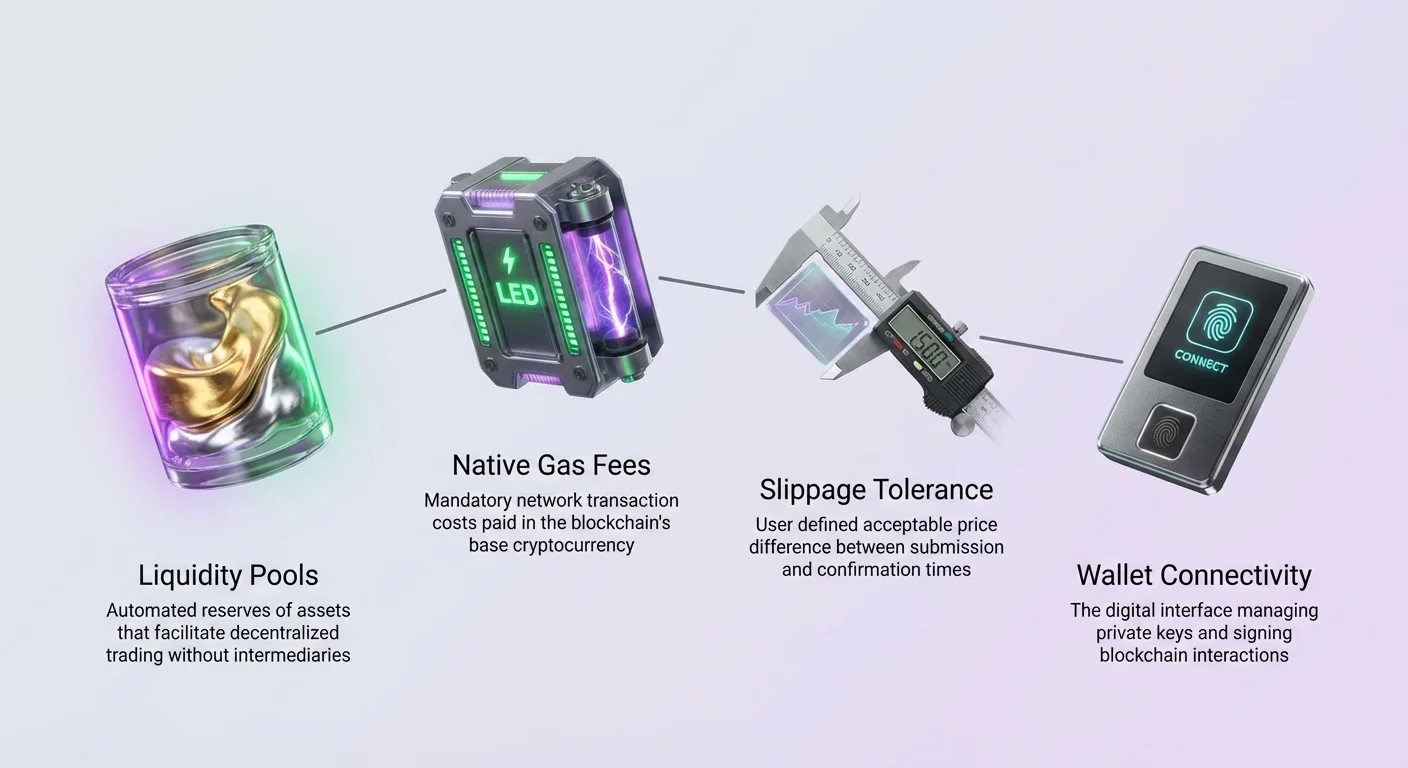
When a transaction fails or a wallet throws an cryptic error, the burden of resolution falls squarely on the individual. Understanding the mechanics behind these errors is the first step toward resolving them. Most issues stem from a few fundamental components of the blockchain infrastructure: liquidity pools, slippage settings, gas fees, and wallet connectivity.
Navigating these technical hurdles requires a solid grasp of how decentralized exchanges (DEXs) and NFT marketplaces function. When you initiate a swap or a purchase, you are interacting directly with a smart contract. If the parameters of your request do not match the current state of the network or the liquidity pool, the protocol will reject the transaction to protect your funds or the integrity of the pool.
This guide explores the common points of failure in DeFi transactions and provides detailed explanations of the underlying mechanisms. By understanding what is happening under the hood—from the automated market maker algorithms to the nuances of blockchain congestion—you can troubleshoot errors effectively. The goal is to move from confusion to confidence, ensuring that your interactions with the decentralized web are as smooth as possible.
Understanding the Mechanics of Decentralized Swaps
To troubleshoot a failed swap, one must first understand what a swap actually is. Decentralized exchanges, or DEXs, facilitate the exchange of cryptoassets without a central authority. They do not rely on order books managed by a company. Instead, they utilize Automated Market Makers (AMMs) and liquidity pools.
A swap is not a direct trade between two individuals in real-time. It is an interaction with a liquidity pool. A pool contains funds for a specific trading pair, such as a governance token and Ethereum (ETH). When you swap, you are depositing one asset into the pool and withdrawing the other based on a mathematical formula.
Failures often occur when the state of this pool changes rapidly. Since anyone can add liquidity or execute trades, the ratio of assets in the pool is in constant flux. If the pool does not have enough of the asset you are trying to buy, or if the price shifts drastically during your transaction attempt, the smart contract may revert the action.
The Role of Liquidity in Transaction Success
Liquidity is arguably the most critical metric for the health of a market. In the context of a DEX, liquidity measures how easily two assets can be exchanged without causing dramatic shifts in the price of either asset. High liquidity means large trades can happen with minimal price impact. Low liquidity means even small trades can skew prices.
Imagine a scenario where a trading pair has very low depth. If you attempt to swap a significant amount of value, you might drain a large percentage of the available tokens in that specific pool. The mechanism governing the DEX will calculate a price that is extremely unfavorable compared to the market rate.
Most modern DEX interfaces have safety checks. If the trade would result in a massive loss of value due to price impact, the interface might prevent the transaction from being submitted. If it is submitted, the blockchain validators might reject it if it violates the parameters set by the slippage tolerance.
Analyzing Pool Health Through Analytics
Before initiating a trade that might fail, it is wise to consult DEX analytics. Advanced platforms provide dashboards that show total liquidity, volume, and fee generation for specific pairs. These analytics are often accessible through the exchange’s interface, sometimes hidden behind a menu icon (often represented by three dots).
By reviewing the "Analytics" section, you can verify if a pair has sufficient liquidity to support your trade. If you see a pair with very low trading volume or meager total value locked, the risk of a failed transaction or high price impact increases significantly.
Furthermore, analytics allow you to see the breakdown of liquidity. You can view top tokens and pairs to confirm you are interacting with the correct, high-volume pools rather than low-liquidity imitations. Checking these statistics acts as a preventative troubleshooting step, saving you from paying gas fees for transactions destined to fail.
Gas Fees and Native Currency Errors
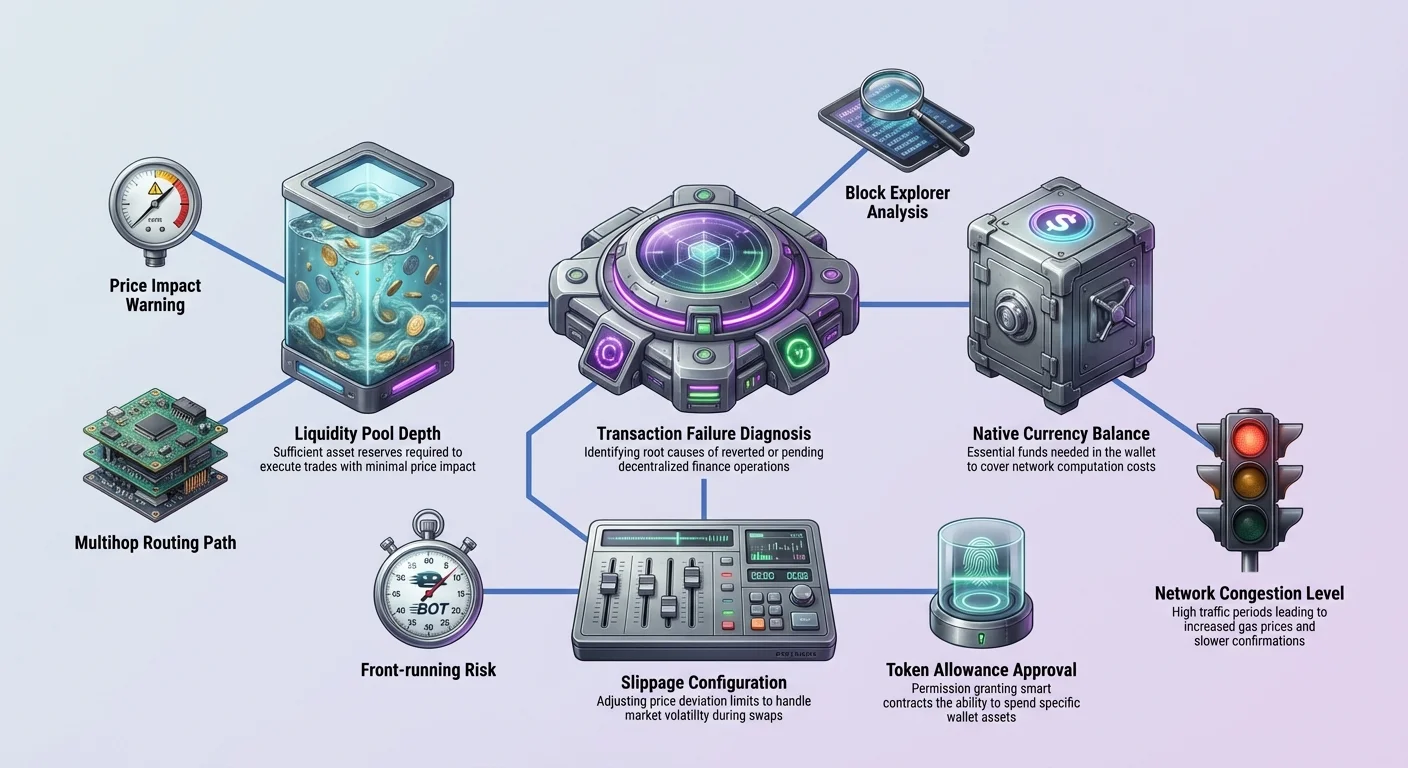
A pervasive source of confusion for new DeFi users involves transaction fees. Every action that changes the state of a blockchain requires a fee. This includes swapping tokens, bidding on NFTs, staking assets, or even approving a protocol to spend your funds.
Crucially, these fees must be paid in the blockchain's native currency. This is a hard rule of the underlying infrastructure. For example, if you are using the Ethereum blockchain, fees are paid in ETH. If you are on the Polygon network, they are paid in MATIC. If you are using the Bitcoin network, they are paid in BTC.
A common error occurs when a user wants to swap a token (like USDT) for another asset. They might have thousands of dollars worth of USDT in their wallet but zero ETH. When they attempt to execute the swap, the button remains greyed out, or the wallet throws an "insufficient funds" error.
Differentiating Between Asset Balance and Gas Balance
The error "insufficient funds" is often misinterpreted. Users look at their token balance, see that they have enough to cover the trade amount, and assume the error is a glitch. However, the wallet is usually referring to the gas balance, not the trade balance.
To fix this, you must ensure your wallet always holds a small amount of the network's native cryptocurrency. You cannot pay for the gas with the token you are trading. The blockchain miners or validators who process the transaction only accept the native asset.
This requirement applies to every step of the process. Even "free" actions like enabling a token for trading for the first time require a gas fee. If your transaction is failing immediately or if your wallet refuses to prompt you for a signature, check your native currency balance first.
Estimating Gas Costs During Congestion
Transaction fees are not fixed; they fluctuate based on network demand. When many people are using the blockchain simultaneously, the cost to include a transaction in the next block increases. If you set a gas limit too low during a period of high congestion, your transaction may remain pending for hours or eventually fail.
Wallets typically estimate the required gas automatically. However, during volatile market events, these estimates can be inaccurate. If a transaction fails with an "Out of Gas" error, it means the computational work required to complete the swap exceeded the limit you set or paid for.
To troubleshoot this, you may need to manually increase the gas limit or wait for network activity to subside. It is important to note that even failed transactions cost gas. The network still performed the work to attempt the transaction, so the fee is deducted from your balance regardless of the outcome.
Slīdes tolerance un cenas svārstīgums
Slīde ir pamatkoncepts DeFi tirdzniecībā, kas izraisa daudzas neveiksmīgas transakcijas. Slīde attiecas uz cenu starpību starp brīdi, kad pasūtījums tiek ievietots, un brīdi, kad tas tiek apstiprināts blokķēdē. Nestabilā kripto tirgū cenas var mainīties sekundēs, kamēr bloks tiek izrakts.
Kad iesniedzat apmaiņu, jūs būtībā sakāt: "Es gribu apmainīt X pret Y, bet esmu gatavs pieņemt nedaudz mazāk Y, ja cena mainās." Šī bufera zona ir jūsu slīdes tolerance. Ja cena mainās vairāk, nekā ļauj tolerance, transakcija neizdosies, lai novērstu sliktu darījumu.
Slīdes iestatījumu konfigurēšana
Lielākā daļa DEX saskarnes ļauj pielāgot slīdes tolerances līmeni. Biežas iestatījumi svārstās no 0,1% līdz 1%. Stabilos tirgos ar augstu likviditāti pietiek ar zemu tolerances līmeni. Tomēr svārstīgiem aktijiem vai zemas likviditātes baseiniem cena var strauji svārstīties.
Ja transakcija nepārtraukti neizdodas ar kļūdām kā "Execution Reverted" vai "Slippage Error", jūsu tolerance var būt pārāk stingra. Tirgus cena pārvietojas ārpus jūsu pieņemamās robežas, pirms transakcija tiek apstrādāta.
Lai to labotu, varat palielināt slīdes tolerances līmeni DEX iestatījumu izvēlnē. Piemēram, mainot no 0,5% uz 1% vai 2%. Tomēr tas ir divgriezīgs zobens. Palielinot tolerances līmeni, jūs piekrītat saņemt mazāk žetonu, ja cena virzās pret jums.
Augstas slīdes briesmas
Lai gan slīdes palielināšana var piespiest transakciju izpildi, nav ieteicams to iestatīt patvaļīgi augstu. 10% vai 20% iestatījums pakļauj jūs "front-running" botiem. Šīs automatizētās programmas var redzēt jūsu gaidošo transakciju, iegādāties aktīvu pirms jums, lai paaugstinātu cenu, un pēc tam pārdot to jums uzpūstajā cenā.
Piemēram, ja 1 ETH tiek kotēts par 1500 USDC un jūs iestatāt 10% slīdes tolerances līmeni, jūs sakāt protokolam, ka esat gatavs maksāt līdz 1650 USDC. Ja bots to izmanto, jūs zaudējat 150 USDC uzreiz.
Traucējumu novēršanas līdzsvars slēpjas slīdes iestatīšanā pietiekami augstu, lai uzņemtu dabisku tirgus svārstīgumu, bet pietiekami zemu, lai novērstu izmantošanu. Analītika par konkrētā tirdzniecības pāra svārstīgumu var palīdzēt pieņemt šo lēmumu.
Biržas ceļu un maršrutu navigēšana
DeFi protokoli ir izstrādāti, lai atrastu efektīvāko veidu aktīvu apmaiņai. To sauc par biržas ceļu vai maršrutu. Ne vienmēr ir tiešs likviditātes baseins katram žetonu pārim. Ja vēlaties tirgot Token A pret Token B, bet tieša A-B baseina nav, DEX jāatrod alternatīva.
DEX var novirzīt darījumu caur starpžetonu. Piemēram, tas var apmainīt Token A pret ETH un pēc tam to ETH pret Token B. To sauc par multihop apmaiņu. Lai gan tas notiek automātiski fonā, tas ievieš sarežģītību transakcijā.
Maršruta pieejamība un sarežģītība
Kļūdas var rasties, ja DEX nevar atrast dzīvotspējīgu ceļu ar pietiekamu likviditāti. Tas bieži notiek, tirgojot neskaidrus vai jauni palaistus žetonus. Ja algoritms nevar izveidot maršrutu, kas atbilst jūsu slīdes un cenas prasībām, "Swap" poga var palikt atspējota vai transakcija neizdosies aprēķina laikā.
Ja saskaraties ar šo problēmu, pārbaudiet "Swap Details" vai līdzīgu sadaļu biržas saskarnē. Tā parasti parāda ceļu (piem., ETH -> VERSE -> SHIB). Ja maršruts izskatās pārmērīgi garš vai sarežģīts, neveiksmes risks pieaug, jo katrs "hop" maksā vairāk gāzes un ir pakļauts savai cenas svārstībai.
Manuālo maršrutēšanas risinājumi
Dažos gadījumos manuāla transakcijas sadalīšana var atrisināt problēmu. Tā vietā, lai paļautos uz DEX novirzīt A -> B -> C, varat veikt divas atsevišķas apmaiņas: A -> B un pēc tam B -> C.
Tas prasa divas atsevišķas transakcijas maksas, bet dod lielāku kontroli pār katru soli. Tas ļauj patstāvīgi pārbaudīt likviditāti katram ceļa posmam. Šī metode ir īpaši noderīga, tirgojot zemas likviditātes aktīvus, kur automātiskais maršrutētājs cīnās atrast cenu pieņemamas slīdes robežās.
Troubleshooting NFT Marketplace Errors
Buying and selling Non-Fungible Tokens (NFTs) introduces a different set of potential errors compared to standard token swaps. NFT Marketplaces operate on similar decentralized principles but use different mechanisms like auctions and fixed-price listings.
The main method to buy an NFT is through a marketplace connection with your web3 wallet. Failures here often relate to the specific status of the NFT listing (auction vs. instant buy) or the specific currency required for the purchase.
Auction and Bidding Failures
In an auction system, placing a bid involves signing a transaction that commits your funds or approves the marketplace to move them. A common error occurs when a user tries to bid on an NFT but the transaction fails.
This can happen if the auction has technically ended but the interface hasn't updated. It can also happen in "English auctions" if a higher bid hit the blockchain block before yours. Unlike a queue in a store, blockchain transactions are ordered by gas fees. If someone pays more gas, their bid might be processed first, invalidating yours.
Additionally, verify the minimum bid increment. Smart contracts often require new bids to be a certain percentage higher than the current bid. If you try to bid 1.01 ETH when the current bid is 1.00 ETH, but the increment requirement is 5%, your 1% increase will cause the transaction to fail.
Currency Mismatches in Multichain Markets
Modern NFT marketplaces often support multiple blockchains, such as Ethereum and Polygon. This creates scenarios where a user sees an NFT priced in "ETH" but fails to realize it is "ETH on Polygon" rather than "ETH on Ethereum Mainnet."
Although the ticker symbol might look the same, the assets exist on completely different networks. If you try to buy a Polygon NFT using Mainnet Ethereum, the transaction cannot occur. You would first need to bridge your assets to the correct chain.
Always check the network icon displayed near the NFT's price. Reputable marketplaces usually indicate the chain clearly. If your wallet is connected to the wrong network, the marketplace might prompt you to switch. If you ignore this or force a transaction, it will likely result in an error or lost gas fees.
| Feature | Ethereum Mainnet | Layer 2 / Sidechain |
|---|---|---|
| Gas Fees | Typically Higher | Typically Lower |
| Confirmation Time | Slower | Faster |
| Currency Format | Native ETH | Wrapped or Bridged ETH |
Authenticity and Badges
Another aspect of troubleshooting involves verifying you are buying the correct item. The decentralized nature of these platforms means anyone can upload an image and mint it as an NFT. Scammers often create fake collections that look identical to popular projects.
Marketplaces use "badges" (often checkmarks) to signal that a creator or collection has been vetted. If you attempt to buy an NFT and the transaction seems suspicious or the contract interaction looks unusual in your wallet, pause. Check for the verification badge.
Buying a fake NFT isn't technically a "transaction error" in the code sense, but it is a user error that results in total loss of funds. Always verify the "properties" or "traits" tab of the NFT. Legitimate collections usually have specific properties ranked by rarity. Fake collections often leave these blank or copy them incorrectly.
Maka savienojamība un atļaujas
Jebkuras DeFi mijiedarbības vārti ir digitālais makā. Vai tas ir pašpārvaldāms mobilais lietotne vai pārlūkprogrammas paplašinājums, makā pārvalda jūsu atslēgas un paraksta transakcijas. Daudzas ziņotās "kļūdas" ir vienkārši komunikācijas traucējumi starp vietni (DApp) un maku.
Pašpārvaldība nozīmē pilnu kontroli, bet tas arī nozīmē, ka makā automātiski nezina par katru esošo žetonu. Jums bieži jāpasaka makam, ko meklēt.
Atļaujas un apstiprinājumi
Pirms DEX var apmainīt jūsu žetonus, tam jāsaņem atļauja tos piekļūt. Tas notiek caur "Approve" transakciju. Tas ir drošības elements. Viedais līgums nevar vienkārši paņemt jūsu žetonus; vispirms jāparaksta transakcija, kas saka: "Līgums X ir atļauts tērēt Y daudzumu mana Token Z."
Bieža traucējumu novēršanas situācija ir, kad lietotājs mēģina apmainīt, bet poga nedarbojas. Tas parasti nozīmē, ka "Approve" solis ir izlaists vai joprojām gaidošs. Parasti specifiskam žetonam specifiskai DEX pietiek ar vienu apstiprinājumu.
Ja apmaiņa nepārtraukti neizdodas, tas var būt problēma ar vecu apstiprinājumu. Padziļinātā traucējumu novēršanā var nākties atsaukt vecas atļaujas un atkārtoti apstiprināt žetonu. Tas atjauno attiecības starp jūsu maku un protokolu, notīrot iestrēgušus stāvokļus.
Aktīvu redzamība
Pēc veiksmīgas apmaiņas vai NFT pirkuma lietotāji bieži paniskā, jo nevar redzēt jauno aktīvu makā. Viņi uzskata, ka transakcija neizdevās. Patiesībā transakcija, visticamāk, izdevās, bet makas saskarne nav atjaunināta, lai parādītu jauno žetonu.
Makā uztur standartžetonu sarakstu. Ja apmaināt pret jaunu vai nišas žetonu, makā to var neparādīt automātiski. Lai labotu, jāimportē žetona adrese manuāli. Šo adresi var atrast blokķēdes pārlūkprogrammās.
Tas pats attiecas uz NFT. Var nākties pāriet uz specifisku "NFT" cilni makā vai atsvaidzināt metadatus. Dažos gadījumos labāk apstiprināt īpašumtiesības ir skatoties profilu pašā tirgū nekā makas vienkāršotajā UI.
Neveiksmīgu transakciju analīze caur blokķēdes pārlūkprogrammām
Kad transakcija neizdodas, makā parasti sniedz īsu, vispārēju kļūdas ziņojumu kā "Transaction Failed." Tas reti palīdz diagnosticēt saknes cēloni. Lai patiesi novērstu, jāapskata transakcija blokķēdes pārlūkprogrammā.
Blokķēdes pārlūkprogrammas ir publiski žurnāli, kas reģistrē katru darbību blokķēdē. Noklikšķinot uz transakcijas haša (ID), ko sniedz makā, var redzēt mēģinājuma specifiskās detaļas.
Kļūdu kodu lasīšana
Pārlūkprogrammas lapā neveiksmīga transakcija parasti ir ar sarkanu izsaukuma zīmi vai "Reverted" statusu. Svarīgāk, tā bieži uzskaita specifisko atcelšanas iemeslu.
Biežas uzķēdes kļūdu ziņojumi ietver "Slippage Limit Exceeded," "Insufficient Liquidity," vai "Transfer Helper: Transfer From Failed." Šie tehniskie ziņojumi norāda precīzo soli viedā līguma loģikā, kas salūza.
Piemēram, "Transfer From Failed" bieži liecina, ka žetona apstiprinājums nav iestatīts pareizi vai jūs faktiski neturāt žetonus, ko mēģināt pārdot. "K" vai invarianšu kļūdas parasti norāda uz AMM matemātikas neveiksmēm, ko izraisījis ekstremāls svārstīgums vai zema likviditāte.
Tīkla statusa novērtēšana
Dažreiz problēma nav jūsu transakcijā, bet pašā tīklā. Ja transakcijas gaida stundām, tīkls var būt sastrēdzis. Blokķēdes pārlūkprogrammas rāda pašreizējo vidējo gāzes cenu.
Ja iesniedzāt transakciju ar 20 Gwei gāzes cenu, bet pašreizējā tīkla vidējā ir 50 Gwei, jūsu transakcija tiks ignorēta kalnraču, līdz sastrēgums mazinās. To var novērst, "paātrinot" transakciju — būtībā aizstājot veco pieprasījumu ar jaunu, kas ietver augstāku maksu.
Labākās prakses profilaksei
Traucējumu novēršana ir nepieciešama, kad kaut kas noiet greizi, bet profilakse ir labāka. Iesakņojusies pārbaudes rutīna pirms jebkuras transakcijas apstiprināšanas var novērst lielāko daļu kļūdu.
Sāciet ar pāra likviditātes pārbaudi, ko plānojat tirgot. Izmantojiet DEX piedāvātos analītikas paneļus. Meklējiet veselīgu apjomu un dziļus baseinus. Ja baseinā ir ļoti maz kapitāla, apdomājiet, vai darījums ir vērts augstas slīdes riska.
Vienmēr dubultpārbaudiet slīdes tolerances līmeni. Pēc svārstīgu aktīvu tirdzniecības atiestatiet to uz standarta līmeni (piemēram, 0,5% vai 1%). Augsta procenta atstāšana kļūdas pēc ir drošības risks.
Visbeidzot, uzturiet vietējās valūtas buferi. Nekad neapmainiet visu savu ETH vai SOL krājumu. Vienmēr atstājiet daļu gāzes maksām nākotnē. Šis vienkāršais ieradums novērš "iestrēguša maka" scenāriju, kur jums ir aktīvi, bet nav veida tos pārvietot.
Secinājumi
Traucējumu novēršana DeCentralizētās finansēšanas pasaulē prasa domāšanas maiņu. Bez centrālās atbalsta komandas paļaušanās, lietotājam jāizprot maka, viedu līgumu un blokķēdes tīklu savstarpējā iedarbība. Kļūdas reti ir nejaušas; tās ir loģiski konkrētu apstākļu iznākumi — vai nu nepietiekama gāze, pārmērīgs cenas svārstīgums vai likviditātes trūkums baseinā. Identificējot saknes cēloni, lietotāji var veikt specifiskas darbības problēmas risināšanai, piemēram, pielāgot slīdes tolerances līmeni vai uzpildīt vietējās valūtas atlikumus.
Veiksme DeFi balstās uz šo tehnisko pratību. Atšķirības atpazīšana starp makas displeja kļūdu un neveiksmīgu blokķēdes transakciju ietaupa laiku un novērš paniku. Analītikas rīku izmantošana tirgus veselības novērtēšanai pirms tirdzniecības kalpo kā vitāls aizsargs. Līdz ar ekosistēmas attīstību mehānismi var kļūt sarežģītāki, bet gāzes, likviditātes un pašpārvaldības pamatprincipi paliks decentralizētās ekonomikas balsti.
Patiesa kontrole pār jūsu finanšu aktijiem nozīmē atbildības pieņemšanu mācīties, kā sistēma darbojas, un kā to salabot, kad tā nedarbojas.