
The Evolution of Yield in Decentralized Finance
Decentralized exchanges have fundamentally altered how financial markets operate by removing the need for a centralized intermediary. In traditional finance, banks and large institutions provide the capital necessary for markets to function. They earn the fees associated with facilitating trade, keeping the profits for themselves. The decentralized finance landscape flips this model by allowing individual users to step into the role of the bank. By depositing digital assets into a smart contract, anyone can facilitate trading and earn a portion of the fees generated by the platform.
This democratization of market making has introduced new terminology and complex mechanisms for earning returns. Concepts like yield farming and liquidity provision offer opportunities to generate passive income on crypto holdings. However, the metrics used to calculate these returns can often be misleading for newcomers. Understanding the true nature of these earnings requires looking beyond the headline numbers.
Investors must distinguish between simple interest and compound growth. They must also differentiate between yield derived from actual trading volume and yield derived from inflationary token rewards. Navigating this environment requires a firm grasp of the underlying mechanics that power decentralized exchanges.
The Foundation of Market Liquidity
Liquidity is arguably the most critical measurement of health for any market, whether in traditional stocks or cryptocurrencies. In the context of a decentralized exchange, liquidity refers to how easily two assets can be exchanged without causing dramatic shifts in the price of either asset. When a market has deep liquidity, large trades can occur with minimal impact on the current market price.
Low liquidity creates a volatile and inefficient environment. If a trading pair lacks sufficient funds, a single relatively small transaction can significantly skew the price. This phenomenon is known as slippage. Slippage occurs when the expected price of a trade differs from the price at which the trade is actually executed. High slippage makes a market practically unusable for traders, as they lose value on every swap they perform.
To prevent this, decentralized exchanges must incentivize users to deposit their assets. Without a steady supply of liquidity, the exchange cannot function smoothly. This necessity drives the economic model of the platform. The exchange gives a share of the trading fees to the people who add liquidity, effectively paying them rent for the use of their assets.
The Structure of Liquidity Pools
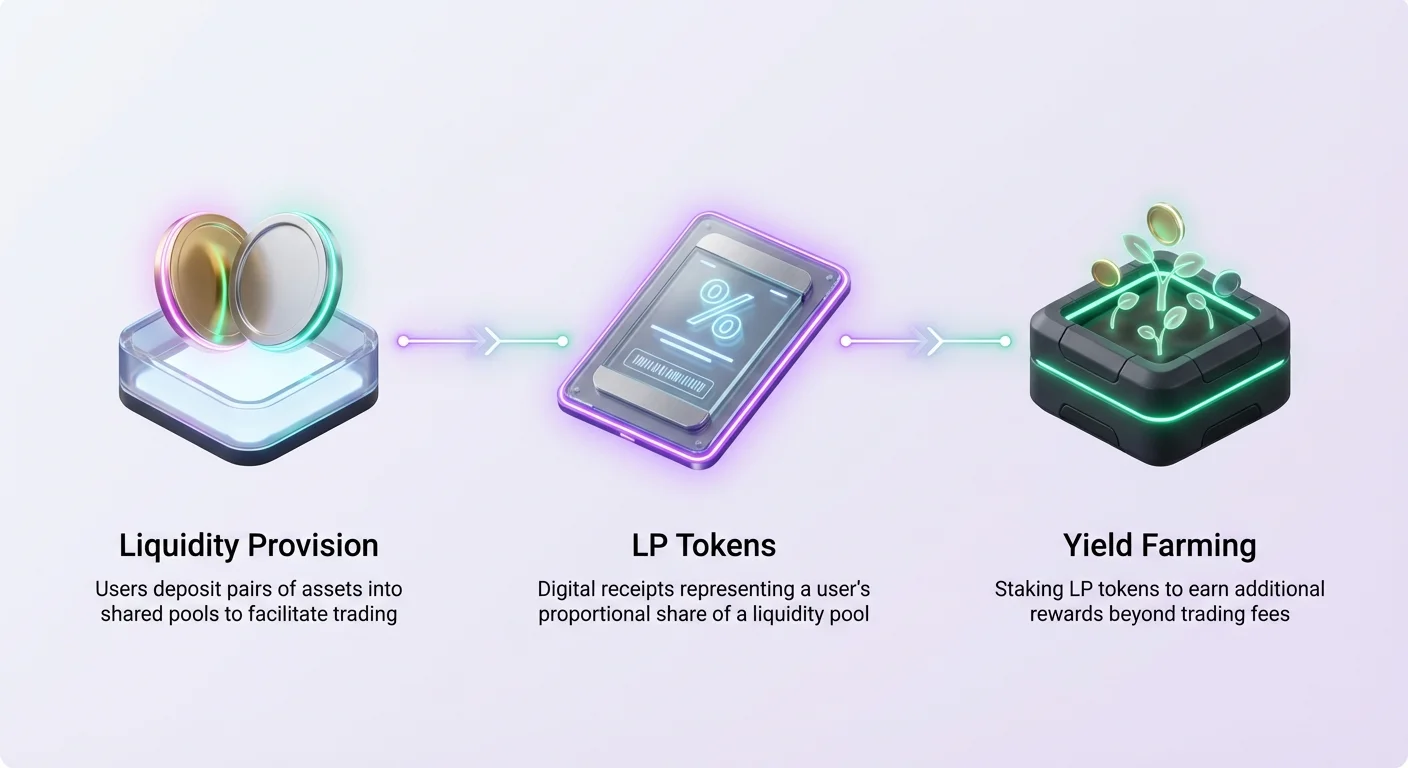
Every trading pair on a decentralized exchange has its own dedicated reservoir of funds. These are technically referred to as liquidity pools. For instance, a trading pair between VERSE and Ethereum (WETH) is supported by a specific pool containing both assets. The technical details of these pools are governed by smart contracts, which are self-executing code on the blockchain.
Most liquidity pools represent trading pairs that require a balanced ratio of assets. To deposit into a pool, a user must generally provide an equal value of two different cryptoassets. If the market price dictates that one unit of Ethereum is worth 1,600 units of USDC, the liquidity provider must deposit them in that exact ratio. This ensures the pool remains balanced relative to the wider market price at the moment of deposit.
The requirement for equal value deposits is a fundamental check within the smart contract. It prevents the pool from starting with a skewed price. Once the funds are deposited, they become available for other users to trade against. The liquidity provider is no longer holding the specific tokens in their wallet; they have contributed them to the communal pot.
Liquidity Provider Tokens Explained
When a user deposits funds into a liquidity pool, the smart contract needs a way to track that contribution. It mints and sends a specific digital asset to the user's wallet. This is known as a liquidity pool token, or LP token. This token acts as a receipt of ownership. It represents the user's proportional share of the total liquidity in that specific pool.
LP tokens are essential for realizing rewards. They are the keys that allow a user to withdraw their deposited cryptoassets at a later date. If the user decides to exit the position, they trade the LP token back to the smart contract. In return, the contract releases the user's share of the underlying assets, plus any fees that have accrued during the holding period.
It is important to note that the ratio of the returned cryptoassets might differ from the ratio originally deposited. As traders swap back and forth against the pool, the balance of the two assets changes. The LP token guarantees a claim on a percentage of the pool's total value, not a guaranteed return of the specific number of coins deposited.
Yield farming mehānika
Lai gan likviditātes nodrošināšana ģenerē ienākumus caur tirdzniecības komisijām, decentralizētās biržas bieži ievieš otro stimulēšanas slāni. Šo praksi sauc par yield farming. Yield farming ļauj lietotājiem nopelnīt papildu atlīdzības, noglabājot savus LP žetonus atsevišķā viedā līgumā, ko sauc par fermu. Šis process efektīvi maksā lietotājam divreiz: vienreiz no tirdzniecības komisijām un otrreiz no fermas atlīdzībām.
Fermas ir paredzētas, lai piesaistītu dziļu likviditāti biržai. Piedāvājot papildu stimulējumus, protokols mudina lietotājus ilgāk turēt savu kapitālu platformā. Šī stabilitāte ir vitāli svarīga biržas ilgtermiņa veselībai. Dziļa likviditāte piesaista vairāk tirgotāju, kas ģenerē lielāku apjomu, kas savukārt ģenerē vairāk komisiju likviditātes nodrošinātājiem.
Fermas atlīdzību avoti
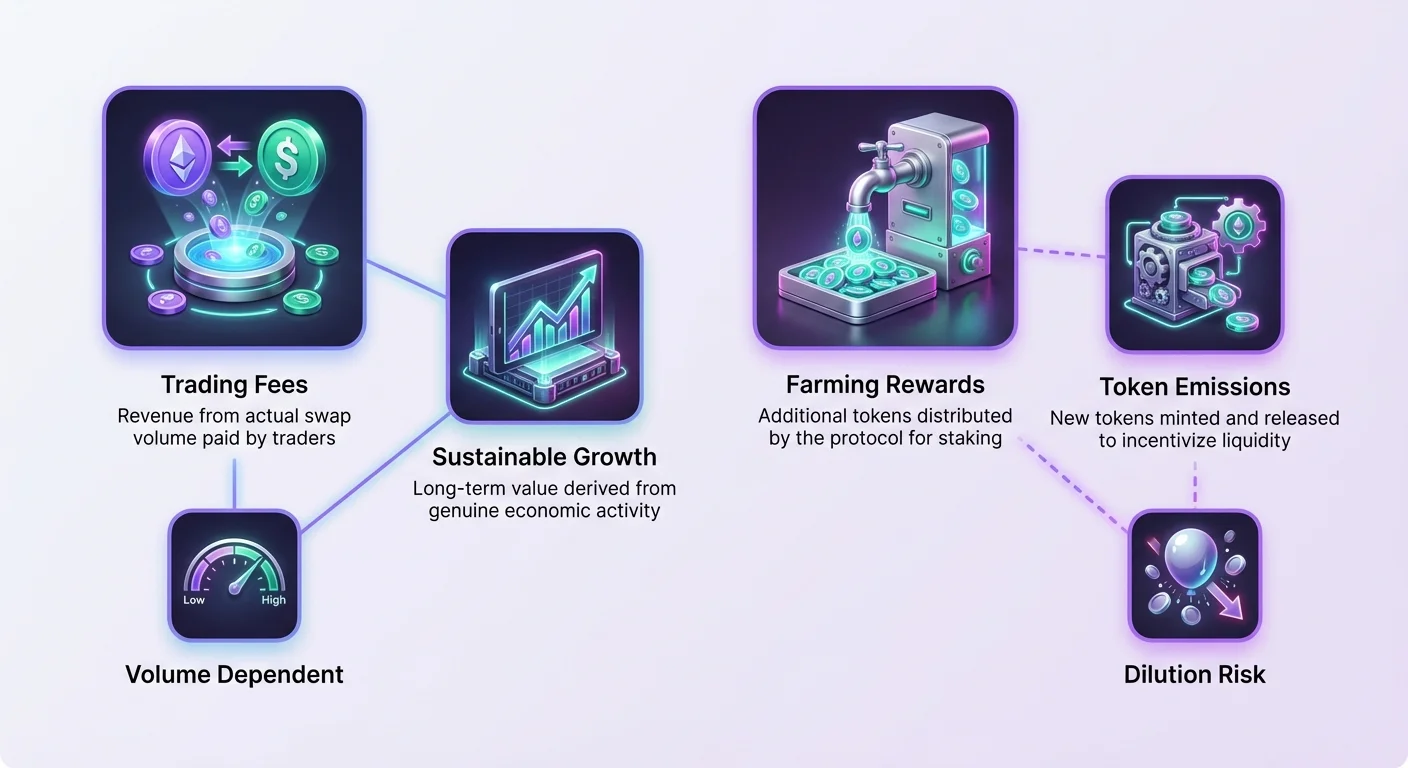
Fermas atlīdzības atšķiras no tirdzniecības komisijām. Tirdzniecības komisijas nāk tieši no apmaiņas darījumu apjoma platformā. Pretēji tam, fermas atlīdzības parasti nāk no biržas paša kases vai žetonu emisijas. Biržas operatori piešķir daļu no vietējiem žetoniem, lai tos izplatītu fermu dalībniekiem noteiktā periodā.
Daudzos gadījumos šīs atlīdzības tiek maksātas decentralizētās biržas vietējos žetonos. Piemēram, platforma var piešķirt 35% no kopējās žetonu emisijas stimulēšanai. Šie žetoni tiek atlaisti lineāri, bieži blokā pa blokam, lietotājiem, kuri ir noglabājuši savus LP žetonus fermā. Tas rada nepārtrauktu ienākumu plūsmu fermas dalībniekam neatkarīgi no tā, vai tirdzniecības apjoms tajā dienā ir augsts vai zems.
Izplatīšanas periods tiek noteikts biržas operatoru. Tas var būt iestatīts uz vienu nedēļu vai ilgākiem periodiem. Mērķis ir izplatīt protokola pārvaldības vai lietderības žetonus plašam lietotāju tīklam. Tas stimulē kopienas izaugsmi un palīdz aizsākt tīkla aktivitāti agrīnajos posmos.
Atlīdzību izplatīšanas aprēķins
Fermas atlīdzības tiek piešķirtas, balstoties uz lietotāja specifisko daļu fermā. Ja lietotājs pieder 1% no fermā noglabātajiem LP žetoniem, viņš ir tiesīgs uz 1% no tajā blokā izplatītajām atlīdzībām. Aprēķins ir dinamisks un pastāvīgi atjaunojas, kad citi lietotāji ienāk vai iziet no fermas.
Ja fermā ir ļoti maz ieguldījumu, atlīdzības tiek sadalītas starp mazāku skaitu cilvēku. Tas rezultējas augstākā ienesīgumā agrīnajiem dalībniekiem. Kad vairāk kapitāla ieplūst fermā, tas pats atlīdzību apjoms tiek izšķīdināts starp lielāku dalībnieku skaitu. Tas dabiski pazemina atdeves likmi visiem iesaistītajiem.
Šī dinamika rada pašbalansēšanas mehānismu. Augstas atlīdzības piesaista kapitālu, kas izšķīdina atlīdzības, kas galu galā stabilizē jauna kapitāla pieplūsmi. Viedie līgumi automātiski pārvalda šo izplatīšanu. Tie nodrošina, ka atlīdzības tiek izmaksātas precīzi saskaņā ar laiku, kurā LP žetoni tika turēti fermā.
APY pret APR izplūšana
Analizējot atdeves DeFi, bieži parādās divi akronīmi: APR un APY. Lai gan tos ikdienas sarunās bieži lieto aizstājami, tie pārstāv atšķirīgus matemātiskus konceptus. Izpratne par atšķirību ir izšķiroša, lai precīzi projicētu potenciālos ienākumus no ferminga stratēģijas.
APR nozīmē Annual Percentage Rate. Tas parasti attiecas uz vienkāršajiem procentiem, kas pelnīti gada laikā. Yield farming kontekstā APR parasti pārstāv neapstrādāto atlīdzību emisijas likmi, ja nenotiek reinvestīcija. Ja ferma maksā 10% APR un jūs iemaksājat $1000, jūs pelnītu $100 vērtus tokenus gada laikā, pieņemot, ka likme un tokena cena paliek konstante.
APY nozīmē Annual Percentage Yield. Šī metrika ietver salikto procentu efektus. Salikšana notiek, kad pelnītie procenti tiek reinvestēti galvenajā summā, lai pelnītu vēl vairāk procentu. DeFi tas nozīmē paņemt fermingā pelnītos tokenus, konvertēt tos atpakaļ likviditātē un atkārtoti iemaksāt fermā.
| Metrika | Procentu tips | Reinvestīcija | Rezultāts |
|---|---|---|---|
| APR | Vienkāršs | Nav | Lineārs pieaugums |
| APY | Salikts | Periodiska | Eksponenciāls pieaugums |
Salikšanas biežuma ietekme
Atšķirība starp APR un APY kļūst izteiktāka atkarībā no tā, cik bieži notiek salikšana. Ja atlīdzības tiek prasītas un reinvestētas dienesti, APY būs ievērojami augstāks nekā APR. Ja atlīdzības nekad netiek reinvestētas, lietotājs efektīvi pelna APR likmi, neatkarīgi no tā, ko APY virsraksts var apgalvot.
Lielākā daļa decentralizēto biržu parāda ienesību kā APY, lai parādītu maksimālo potenciālo atdevi. Tomēr tas pieņem, ka lietotājs aktīvi pārvalda savu pozīciju. Ja process ir manuāls, lietotājam jāmaksā darījuma nodevas (gāze) katru reizi, kad viņš prasa un reinvestē. Augstas gāzes nodevas var apēst peļņu, padarot biežu salikšanu neefektīvu mazākām pozīcijām.
Dažas platformas piedāvā automātiskās salikšanas funkcijas, bet standarta fermings bieži prasa manuālu iejaukšanos. Lietotājiem jāpārbauda, vai parādītā likme ir prognoze balstīta uz ikdienas salikšanu vai neapstrādāta vienkāršo procentu likme. Nepareiza šīs atšķirības izpratne var novest pie vīlšanās, kad faktiskā atdeve neatbilst eksponenciālajām prognozēm.
Nākotnes ienesību prognozēšana
Ienesību prognozes DeFi ir īsti nestabilas. Parādītais 80% APY ir pašreizējā brīža momentuzņēmums. Tas pieņem, ka atlīdzību tokena pašreizējā cena paliek tāda pati un ka baseina likviditātes apjoms paliek konstants visu gadu. Neviena no šīm mainīgajām nav statiska kripto tirgū.
Ja atlīdzību tokena cena krīt, īstās ienesības vērtība krīt, pat ja tokenu emisijas likme paliek tāda pati. Pretēji, ja tokena cena pieaug, efektīvā ienesība palielinās. Turklāt, ja ferma kļūst populāra un kopējās iemaksas dubultojas, katra individuālā dalībnieka ienesība tiek samazināta uz pusi.
Tāpēc APY jāuztver kā aplēse, nevis solījums. Tā ir modelis, kas balstās uz izplatīšanas periodiem un pašreizējiem dalības līmeņiem. Faktiskā realizētā ienesība svārstīsies nedēļu no nedēļas atkarībā no tirgus apstākļiem un kopienas uzvedības.
The Sustainability of Real Yield
In the rush to attract users, some decentralized exchanges offer astronomical APY figures, sometimes exceeding 1000%. While these numbers are eye-catching, they are rarely sustainable. High yields are generally paid out by printing new tokens at a rapid pace. This inflates the supply of the token.
If the supply increases too quickly without a corresponding increase in demand, the price of the token will collapse. This leads to a situation where a user might earn a 1000% yield in terms of token count, but the value of those tokens drops by 99%. The net result is a loss in dollar value.
This dynamic attracts what is known as mercenary liquidity. Mercenary providers are participants who deposit funds solely to capture the high initial rewards. They sell the reward tokens immediately, putting downward pressure on the price. Once the rewards dry up or the yield decreases, they withdraw their liquidity and move to the next platform.
Identifying Real Yield
Sustainable yield farming programs focus on value-adding growth rather than short-term hype. "Real yield" is often defined as revenue derived from actual economic activity—specifically, trading fees—rather than just token emissions.
When a liquidity provider earns a share of the 0.25% exchange fee, they are earning a portion of the volume moving through the platform. If the pool processes $100,000 in volume, $250 is collected in fees. This is real revenue paid by traders for a service. It does not rely on the inflation of a governance token.
| Yield Source | Mechanism | Sustainability |
|---|---|---|
| Trading Fees | % of Volume | High (Activity based) |
| Farm Rewards | Token Inflation | Low (Dilution based) |
The Balance of Incentives
A healthy decentralized exchange balances these two sources. It uses farming incentives to bootstrap liquidity in the early stages or for specific strategic pairs. The goal is to reach a level of liquidity where the trading experience is smooth enough to attract organic volume. Once organic volume is high, the trading fees alone should be sufficient to retain liquidity providers.
Programs that allocate rewards linearly over long periods, such as seven years, are generally more sustainable. This slow release prevents a flood of new tokens from hitting the market all at once. It aligns the incentives of the liquidity providers with the long-term success of the protocol.
Investors should look for platforms that have a clear plan for transitioning from high farming rewards to sustainable fee-based revenue. The most robust returns come from pools that generate consistent trading volume, ensuring a steady stream of fee income regardless of the reward token's price action.
Calculating Your Farming Position
To accurately estimate earnings, a user must understand their specific contribution relative to the total pool. The math is straightforward but dynamic. Returns are calculated based on the user's proportional share of the total liquidity.
If you are the only liquidity provider in a pool, you earn 100% of the fees generated. If the pool does $100,000 in daily volume and the fee is 0.25%, you earn $250. However, being the sole provider is rare and risky. In a more realistic scenario, you might provide 1% of the liquidity. In that same $100,000 volume scenario, your share of the fees would be $2.50.
This creates a direct relationship between pool size and individual yield. A smaller pool offers a larger slice of the pie, but it might attract less volume because of high slippage. A massive pool attracts more volume, but the user's slice of the fees is microscopic. The sweet spot for a yield farmer is often a pool with moderate liquidity but high trading activity.
Tracking Performance
Most decentralized exchanges provide analytics pages to help users track these metrics. A "Pools" tab will typically display the total liquidity, the 24-hour volume, and the recent earnings. Third-party DeFi tools can also be used to monitor LP positions across different platforms.
It is important to remember that fees are typically added to the liquidity pool rather than paid out directly to the wallet. This means the value of the LP token increases over time. When the user withdraws their liquidity, they receive more cryptoassets than they deposited, representing their principal plus the accrued fees.
Farming rewards, on the other hand, usually accumulate in a separate contract. They must be manually claimed. Some platforms allow users to claim these rewards without withdrawing the underlying liquidity. Others might require an interaction with the farm contract to harvest the yield.
Riski un apsvērumi
Yield farming nav bez riskiem. Papildus smart līguma riskiem, kas raksturīgi jebkurai decentralizētai lietojumprogrammai, jāapsver finanšu riski. Izcilākais ir atšķirības zaudējumu koncepts, bieži saukts par impermanent loss.
Tas rodas, kad iemaksāto aktīvu cena mainās salīdzinājumā ar iemaksas brīdi. Tā kā baseins automātiski pārbalansē, lai uzturētu vienlīdzīgu vērtību, lietotājs var beigties ar vairāk no tokena, kas krīt vērtībā, un mazāk no tokena, kas pieaug. Dažos gadījumos vienkārši turēt aktīvus maciņā būtu bijis izdevīgāk nekā nodrošināt likviditāti.
Turklāt smart līguma kļūdas var radīt draudus. Vitāli ir izmantot uzticamas decentralizētās biržas, kas ir auditētas trešo pušu drošības firmās. Auditi negarantē drošību, bet norāda, ka kods ir pārskatīts uz izplatītām ievainojamībām.
Bloķēšanas periodi
Dažas fermingu stratēģijas uzliek bloķēšanas periodus, neļaujot lietotājiem izņemt līdzekļus noteiktu laiku. Tas tiek darīts, lai stabilizētu likviditāti, bet tas samazina elastību. Ja tirgus sabrūk bloķēšanas laikā, lietotājs nevar iziet no pozīcijas, lai samazinātu zaudējumus.
Citas platformas, specifiski pieminētas avota materiālā, piemēram, Verse DEX, nav bloķēšanas periodu. Lietotāji var izņemt savus LP tokenus jebkurā laikā. Viņi paliek tiesīgi uz savu atlīdzību daļu precīzi par laiku, kad tokeni bija iemaksāti. Šī elastība ļauj lietotājiem reaģēt uz tirgus izmaiņām uzreiz, lai gan tas arī padara baseina kopējo likviditāti svārstīgāku.
Praktiski soļi likviditātes nodrošināšanai
Lai piedalītos likviditātes nodrošināšanā un yield farming, nepieciešams specifisks rīku kopums. Ieejas barjera ir tehniska, nevis finansiāla, jo ikviens ar saderīgu maciņu var piedalīties.
Pašuzglabāšanas nepieciešamība
Lai mijiedarbotos ar DEX, lietotājam nepieciešams pašuzglabāšanas digitālais maciņš. Atšķirībā no konta centralizētā biržā, kur uzņēmums tur atslēgas, pašuzglabāšanas maciņš dod lietotājam pilnu kontroli. Lietotājs ir vienīgais ar piekļuvi līdzekļiem. Tas ir prasība tiešai mijiedarbībai ar smart līgumiem.
Maciņš kalpo kā pase uz decentralizēto tīmekli. Tas tur kriptovalūtu, kas nepieciešama iemaksai, un vietējo monētu, kas nepieciešama darījuma nodevu samaksai. Piemēram, mijiedarbībai ar Ethereum balstītu DEX nepieciešams turēt ETH gāzes maksāšanai.
Aktīvu iegūšana
Pirms ferminga lietotājam jāiegūst nepieciešamie aktīvi. Tā kā likviditātes baseini parasti prasa aktīvu pāri, lietotājam jātur abi savā maciņā. Ja lietotājs vēlas fermingā VERSE-ETH baseinā, bet tur tikai ETH, viņam vispirms jāapmaino puse ETH pret VERSE.
Kad aktīvi ir iegūti, lietotājs dodas uz DEX likviditātes sadaļu. Viņš iemaksā pāri un apstiprina darījumu maciņā. Šī darbība izkalst LP tokenus.
Ferminga pabeigšana
Pēdējais solis ir paņemt šos LP tokenus un iemaksāt tos biržas fermas cilnē. Tas bieži ir atsevišķs darījums. Vienkārši turēt LP tokenus nav pietiekami, lai pelnītu fermingu atlīdzības; tie jāuzstāda fermas līgumā. Kad uzstādīti, panelis sāks atjaunināties, lai parādītu uzkrātās atlīdzības reāllaikā.
Secinājums
DeFi yield farming pasaulē orientēšanai nepieciešama domāšanas maiņa no pasīvās krāšanas uz aktīvu dalību. Izprotot atšķirību starp APY un APR, investori var labāk novērtēt iespējas patieso potenciālu. Atzīstot, ka APY nozīmē salikšanu, iespējama reālistiskāka plānošana attiecībā uz reinvestīcijas stratēģijām un gāzes izmaksām.
Turklāt atšķirība starp īsto ienesību no tirdzniecības nodevām un stimulēšanas ienesību no tokenu emisijām ir kritiska ilgtermiņa panākumiem. Lai gan augstas tokenu emisijas var piedāvāt izdevīgus īstermiņa ieguvumus, tās bieži nes lielākus volatilitātes riskus. Ilgtspējīga bagātības ģenerēšana decentralizētajās finansēs parasti nāk no likviditātes nodrošināšanas baseiniem ar īstu tirdzniecības apjomu un lietderību.
Galvenokārt decentralizēto biržu spēks slēpjas viņu bezatļauju dabā. Tās piedāvā rīkus, kas ļauj ikvienam kļūt par tirgus veidotāju. Rūpīgi izvēloties baseinus, uzraugot pozīcijas un izprotot smart līgumu pamata mehānikas, lietotāji var efektīvi izmantot šīs platformas, lai ģenerētu ienesību saviem digitālajiem aktīviem.
Īstā ienesība nāk no protokola ieņēmumiem un pacietības, kamēr neilgtspējīga kņada dzen augstus ciparus, kas reti ilgst.