
Navigating the cryptocurrency market requires more than just identifying profitable trades or selecting assets with high growth potential. As the industry matures, regulatory bodies worldwide have tightened their oversight, making tax compliance and reporting standards critical factors for investors. Choosing the right platform is no longer solely about low fees or high liquidity. It is equally about finding exchanges that align with legal frameworks and simplify the burden of financial reporting.
For investors in the United States and other strictly regulated jurisdictions, the consequences of using non-compliant platforms can be severe. These range from frozen assets to complex tax audits. Therefore, understanding the operational mechanics of compliant exchanges is the first step toward a sustainable investment strategy. This involves evaluating how platforms handle identity verification, transaction tracking, and data security.
The shift toward regulation has encouraged the growth of centralized entities that mirror traditional financial institutions. These platforms offer robust security measures, insurance policies, and detailed transaction histories that are essential for tax season. However, the crypto ecosystem remains diverse. It includes decentralized platforms and peer-to-peer networks that offer different benefits but pose unique challenges regarding compliance and reporting.
The Importance of Regulatory Oversight
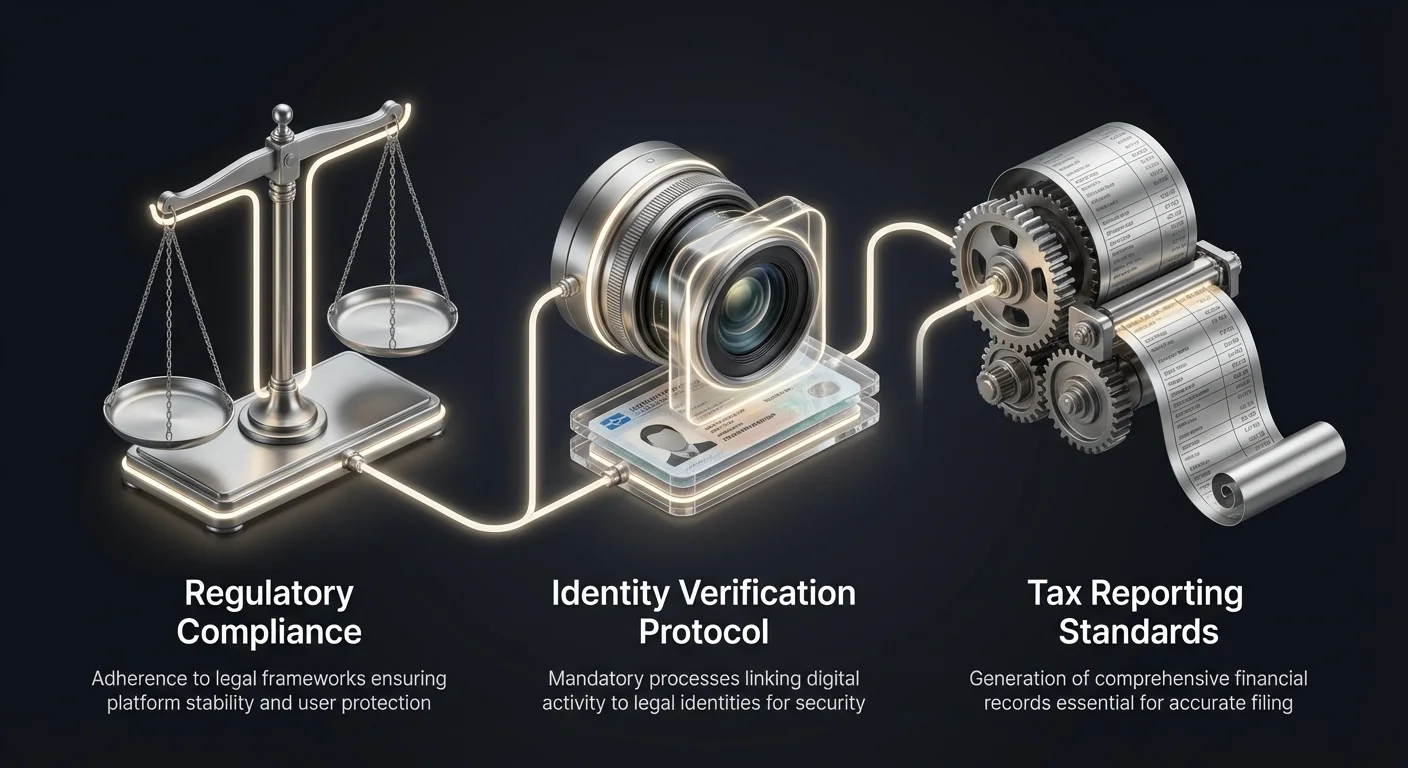
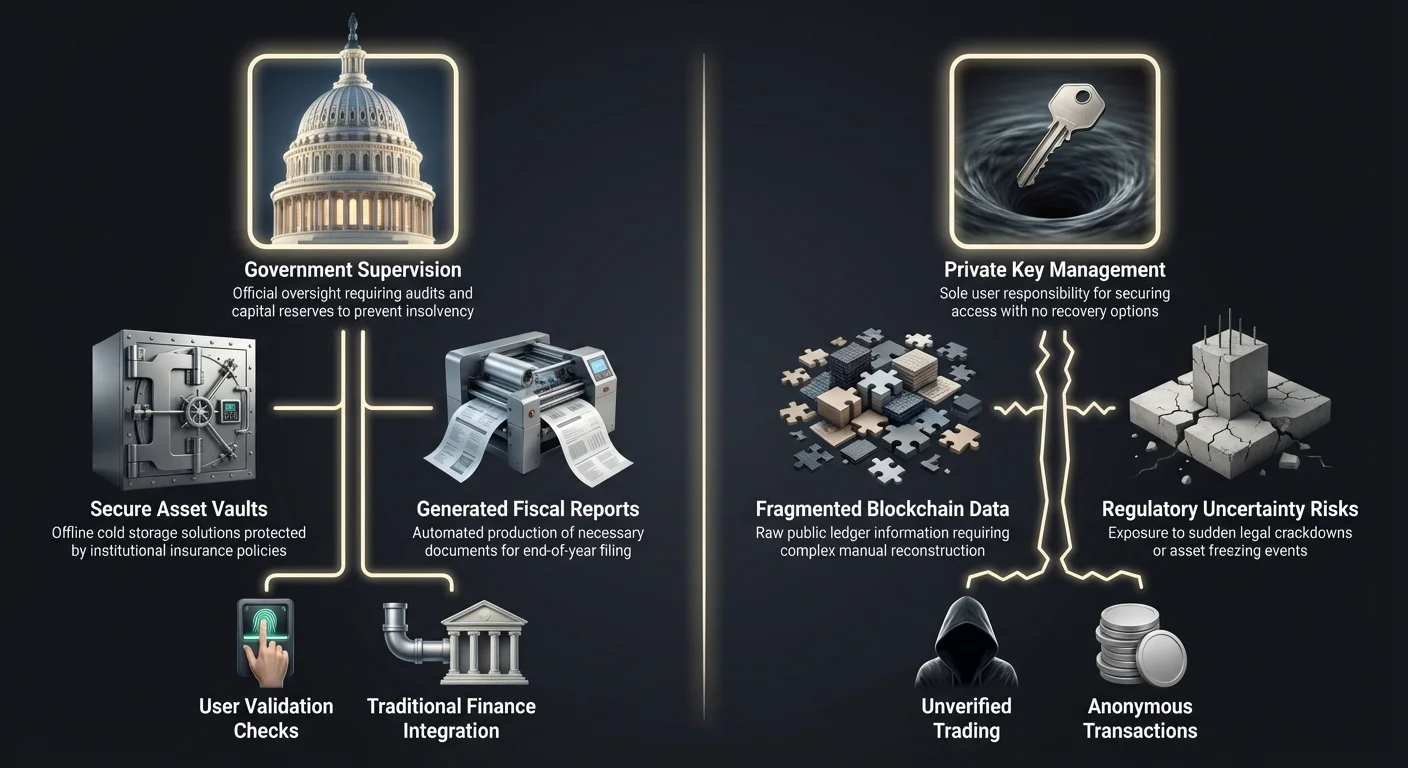
Regulatory compliance provides a safety net for users. Exchanges that adhere to strict guidelines are often required to maintain specific capital reserves and undergo regular audits. This transparency reduces the risk of insolvency and fraud. For the user, this means that funds are generally safer and that the platform is less likely to be shut down by government authorities.
In the United States, compliance often involves adhering to standards set by the Financial Crimes Enforcement Network (FinCEN) and state-level bodies like the New York Department of Financial Services (NYDFS). Platforms operating under these licenses must implement rigorous anti-money laundering (AML) protocols. They must also verify the identity of every user through Know Your Customer (KYC) procedures.
While some traders view these requirements as intrusive, they are fundamental to the legitimacy of the market. They ensure that the exchange can operate within the banking system. This facilitates smooth deposits and withdrawals of fiat currency. Furthermore, compliant exchanges are more likely to provide necessary tax documents, such as Form 1099 in the US, which significantly simplifies the filing process for investors.
Security as a Compliance Pillar
Security and compliance are deeply interconnected. A platform that fails to secure user funds is often in violation of regulatory standards regarding consumer protection. The safest exchanges utilize cold storage solutions. This means the majority of digital assets are held offline, away from potential hackers.
Insurance is another critical component. Top-tier platforms often carry insurance policies that cover digital assets held in hot wallets (online storage) against theft or cybersecurity breaches. This level of protection is standard in traditional finance but is a distinguishing feature in the crypto world. It signals that an exchange is mature and reliable.
Regular audits reinforce this security. Independent third parties review the exchange's holdings to verify that user funds are fully backed. This practice, often referred to as Proof of Reserves, has become a benchmark for trust. It assures users that the numbers they see on their screen correspond to actual assets held in the exchange's custody.
Centralized Exchanges and Tax Reporting
Centralized exchanges (CEX) are the most common entry point for new investors. They function similarly to traditional stock brokerages. A central authority manages the order book, holds user funds, and facilitates trades. Because they act as intermediaries, these platforms are best positioned to assist with tax reporting.
These exchanges track every transaction made on their platform. This includes the date, time, price, and volume of every trade. This data is crucial for calculating capital gains and losses. At the end of the tax year, users can typically download a comprehensive transaction history. Some platforms even integrate directly with tax software to automate the calculation process.
For US users, the ability of an exchange to issue tax forms is a major advantage. It eliminates the need to manually reconstruct trading history from disparate records. However, users must remember that exchanges can only report on activity that occurs within their system. Transfers to external wallets or other exchanges must be tracked separately by the investor.
Coinbase: A Benchmark for US Compliance
Coinbase is widely recognized for setting the standard for regulatory compliance in the United States. Founded in 2012, it has grown into a publicly traded company. This status subjects it to the rigorous oversight of the Securities and Exchange Commission (SEC). For traders, this offers a high degree of transparency regarding the company's financial health and operational practices.
The platform is designed with the user's tax obligations in mind. It provides specific tools for tax reporting and offers educational resources to help users understand the tax implications of their trades. Coinbase employs strict KYC measures, ensuring that all users are verified. This minimizes the risk of illicit activity on the platform.
Security on Coinbase is robust. It utilizes vast cold storage networks to secure customer funds. The platform also carries insurance for assets held in online hot wallets. While its fee structure can be higher than some competitors, the premium pays for a regulated, secure environment that simplifies the legal aspects of crypto ownership.
Gemini: New York Regulatory Standards
Gemini is another top-tier option for traders prioritizing compliance. It is one of the few exchanges available in all 50 US states. This includes New York, which has some of the strictest crypto regulations in the country. Gemini is regulated as a trust company by the NYDFS. This designation imposes higher capital reserve requirements and compliance standards than standard money transmitter licenses.
The platform places a heavy emphasis on security certifications. It has achieved SOC 1 Type 2 and SOC 2 Type 2 compliance. These are auditing standards that verify the effectiveness of a service organization's controls over data and security. For institutional and high-net-worth individuals, these certifications provide assurance that the platform meets enterprise-grade security benchmarks.
Gemini also focuses on transparency. It operates as a full-reserve exchange. This means users' funds are backed 1:1 and are not lent out or used for the exchange's own investments. This approach aligns with the conservative risk management strategies favored by regulators and risk-averse investors.
Kraken: Security and Audit Trails
Kraken is a veteran in the industry, operating since 2011. It has built a reputation for resilience and security. It has never suffered a major hack, a significant achievement in the crypto space. Kraken emphasizes comprehensive security protocols, including 2FA and encryption.
From a compliance perspective, Kraken supports a wide range of fiat currencies and adheres to regulations in multiple global jurisdictions. It offers robust reporting tools that allow users to export detailed trade history. This is vital for accurate tax filing, especially for active traders with high transaction volumes.
Kraken also pioneered the use of independent audits to verify asset reserves. By allowing users to cryptographically verify that their funds are held by the exchange, Kraken promotes a level of transparency that regulators encourage. This "Proof of Reserves" mechanism helps build trust and ensures the platform remains solvent and accountable.
Verifikacija identiteta i KYC protokoli
Protokoli Poznaj svog klijenta (KYC) vrata su usklađenog trgovanja kriptovalutama. Ovi postupci obvezni su za bilo koju burzu koja komunicira s tradicionalnim bankarskim sustavom. Proces uključuje prikupljanje osobnih podataka za provjeru identiteta korisnika. To obično uključuje vlada izdani ID, selfie i dokaz adrese.
Iako ovo eliminira anonimnost, štiti korisnika i platformu. Sprječava krađu identiteta i osigurava da se burza ne koristi za pranje novca. U svrhu poreza, KYC je ključan. Veže trgovački račun na specifičnu pravnu entitetu ili pojedinca. Ova veza omogućuje poreznim vlastima provjeriti da se prihodi i kapitalni dobici ispravno prijavljuju.
Trgovci bi trebali biti oprezni prema platformama koje dopuštaju značajan volumen trgovanja bez KYC-a. Ove platforme često posluju u pravnim siva područja. Mogu se suočiti s iznenadnim regulatornim udarima, što dovodi do zamrznutih imovina. Štoviše, korištenje neusklađenih platformi može pokrenuti revizije ako porezne vlasti sumnjaju da trgovac pokušava sakriti imovinu.
Proces verifikacije
Proces verifikacije na usklađenim burzama obično je racionaliziran. Korisnici učitavaju fotografije svojih dokumenata putem sigurnog portala. Automatizirani sustavi i ručne provjere potvrđuju autentičnost dokumenata. Ovaj proces može trajati od nekoliko minuta do nekoliko dana, ovisno o platformi i volumenu zahtjeva.
Nakon verifikacije, korisnici dobivaju pristup višim limitima povlačenja i širem rasponu značajki. To često uključuje mogućnost depozita fiat valute putem bankovnog transfera. Neverificirani računi obično su ograničeni na trgovanje kripto-kripto s niskim kapama povlačenja. U nekim jurisdikcijama, ne verificirano trgovanje je u potpunosti zabranjeno.
Održavanje ažuriranih informacija o verifikaciji također je dio usklađenosti. Burze mogu povremeno zahtijevati od korisnika ponovnu verifikaciju identiteta ili pružanje dodatnih informacija ako se njihovi obrasci trgovanja promijene. Ovaj kontinuirani nadzor osigurava neprestanu usklađenost s AML regulativama.
Privatnost nasuprot usklađenosti
Često postoji napetost između etosa kriptovaluta privatnosti i zahtjeva regulacije. Rani adoptatori kriptovaluta cijenili su anonimnost. Međutim, masovna adoptacija zahtijevala je kompromis. Da bi se integrirala s globalnim financijskim sustavom, kripto mora igrati po istim pravilima kao banke i burze dionica.
Anonimne burze još uvijek postoje. Obično ne zahtijevaju verifikaciju ID-a i mogu prioritetizirati privatne kovanice. Međutim, ove platforme često nemaju fiat ulaze. To znači da korisnici ne mogu izravno depozirati dolare ili eure. Moraju kripto nabaviti drugdje i prenijeti ga.
S gledišta poreza, anonimne burze kompliciraju stvari. Rijetko pružaju porezne obrasce. Korisnik snosi puni teret praćenja osnovice troškova i fer tržišne vrijednosti za svako trgovanje na različitim platformama. Dodatno, prijenos sredstava na neprozirnu burzu može podići crvene zastavice s timovima za usklađenost na reguliranim burzama, potencijalno dovodeći do zatvaranja računa.
Decentralized Exchanges (DEX) and Reporting
Decentralized exchanges (DEX) operate on a different model than their centralized counterparts. They do not rely on a central authority to hold funds or execute trades. Instead, they use smart contracts—self-executing code on a blockchain—to facilitate peer-to-peer trading. Users trade directly from their personal wallets.
This model offers advantages in terms of security and control. The exchange never takes custody of the user's assets, reducing the risk of exchange-level hacks. However, this decentralization creates significant challenges for tax reporting. DEXs generally do not collect user data. They do not perform KYC checks, and they do not issue tax forms.
Because the exchange does not track the user's identity, it cannot provide a consolidated report of gains and losses. The user must rely on blockchain data. Every transaction is recorded on the public ledger, but interpreting this raw data for tax purposes can be difficult. Users often need specialized software to scan their wallet addresses and reconstruct their trading history.
| Feature | Centralized Exchange (CEX) | Decentralized Exchange (DEX) |
|---|---|---|
| Custody | Exchange holds funds | User holds funds (Self-custody) |
| Identity | KYC required | No KYC (Anonymous) |
| Reporting | Detailed history & tax forms | Raw blockchain data only |
The Self-Custody Dilemma
Self-custody gives users complete control over their private keys. This means no third party can freeze their funds. However, with great power comes great responsibility. If a user loses their private keys, the funds are irretrievable. There is no customer support to reset a password.
From a tax perspective, self-custody requires diligent record-keeping. Moving funds from a centralized exchange to a personal wallet is generally not a taxable event (it is a transfer). However, using those funds to interact with a DEX is a taxable event.
Regulators are increasingly scrutinizing the DeFi (Decentralized Finance) space. While the software itself may be decentralized, the governance tokens and development teams behind them may fall under regulatory scope. Users should be aware that the "wild west" nature of DeFi is changing, and future regulations may impose reporting requirements on these protocols.
Smart Contracts and Complexity
Trading on a DEX involves interacting with smart contracts. These transactions can be complex. A single trade might involve multiple steps, such as approving a token for spending and then executing the swap. Each of these steps requires a network fee (gas fee).
These network fees are deductible expenses in many tax jurisdictions, as they are part of the cost of acquiring or disposing of an asset. However, tracking these fees across hundreds of transactions requires automated tools. Manual calculation is prone to error.
Furthermore, DEXs often enable access to a vast array of tokens that are not listed on centralized exchanges. Determining the fair market value of a low-liquidity token at the exact time of the trade can be challenging. This valuation is necessary to calculate the capital gain or loss accurately.
Peer-to-Peer (P2P) platforme
Peer-to-peer (P2P) burze povezuju kupce i prodavače izravno. Za razliku od DEX-a, koji koristi automatizirani bazen likvidnosti, P2P platforma funkcionira više poput oglasne ploče. Korisnici objavljuju ponude za kupnju ili prodaju kriptovaluta po određenoj cijeni i koristeći određeni način plaćanja. Platforma obično pruža uslugu escrowa za sigurnost transakcije.
P2P platforme popularne su u regijama s ograničenom bankarskom infrastrukturom ili gdje bankarske restrikcije sprječavaju izravne transfere na kripto burze. nude širok spektar načina plaćanja, uključujući gotovinu, poklone karte i lokalne bankovne transfere. Ova fleksibilnost njihova je primarna prednost.
Međutim, usklađenost na P2P platformama varira. Neke provode stroge KYC mjere slične centraliziranim burzama. Druge dopuštaju više anonimnosti, posebno za male iznose. Za porezno izvješćivanje, P2P trgovanja predstavljaju iste izazove kao DEX-ovi. Korisnik je odgovoran za praćenje osnovice troškova i cijene prodaje u lokalnoj valuti.
Rizici u P2P trgovanju
Primarni rizik u P2P trgovanju je rizik protustrane. Iako usluge escrowa ublažavaju prijevare, prevare su još uvijek moguće. Prodavač može odbiti otpustiti kripto, ili kupac može obrnuti plaćanje nakon primanja imovine. Korisnici se moraju osloniti na sustave reputacije i mehanizme rješavanja sporova koje pruža platforma.
Varijabilnost cijena još je jedan faktor. Cijene na P2P tržištima određuju pojedinačni prodavači. To može dovesti do širokog raspona cijena za istu imovinu. Korisnici moraju biti lukavi kako bi osigurali da dobivaju fer tržišnu cijenu.
S gledišta usklađenosti, korištenje gotovine ili nekonvencionalnih načina plaćanja stvara prekid u stazi revizije. Ako je trgovac na reviziji, dokazivanje izvora sredstava za gotovinsku transakciju može biti teško. Održavanje detaljnih zapisa komunikacije i potvrda trgovanja ključno je za P2P korisnike.
Globalne nasuprot platformama specifičnim za SAD
Regulatorni pejzaž za kriptovalute fragmentiran je. Pravila se značajno razlikuju između Sjedinjenih Američkih Država, Europe i Azije. To je dovelo do diverzencije platformi dostupnih trgovcima u različitim regijama. Neki globalni divovi stvorili su specifične podružnice za legalno poslovanje u SAD-u.
Trgovci iz SAD-a općenito su ograničeni na platforme koje se usklađuju s federalnim i državnim regulativama. To ograničava njihov pristup određenim značajkama, poput trgovanja s visokim polugama ili određenih vrsta derivata, koji su strogo regulirani u SAD-u. Globalni trgovci često imaju pristup širem rasponu proizvoda.
Odabir platforme koja je licencirana u vašoj specifičnoj jurisdikciji najsigurniji je izbor za usklađenost. Osigurava da burza slijedi lokalne zakone u pogledu zaštite potrošača i privatnosti podataka. Također povećava vjerojatnost da burza može pružiti relevantne porezne dokumente za tu jurisdikciju.
Uphold: Globalni doseg i transparentnost
Uphold je platforma koja mosti jaz između kriptovaluta i tradicionalnih financija u mnogim jurisdikcijama. Posluje korisnicima u preko 150 zemalja. Ključna značajka Upholda je njegova sposobnost olakšavanja trgovanja između raznolikih klasa imovine. Korisnici mogu trgovati bilo čim od kriptovaluta do fiat valuta do plemenitih metala unutar jednog sučelja.
Uphold naglašava transparentnost kroz model „rezerve u realnom vremenu“. Objavljuje svoje imovine i obveze u realnom vremenu na svojoj web stranici. To omogućuje bilo kome da provjeri da je platforma u potpunosti rezervirana. Ovaj stupanj otvorenosti rijedak je i odgovara korisnicima zabrinutim za rizike insolventnosti.
Platforma podržava ogroman niz imovina, pružajući duboku likvidnost povezivanjem s više burzi. U svrhu poreza, ova konsolidacija raznolikih imovina u jednu platformu pojednostavljuje izvješćivanje. Umjesto prikupljanja zapisa od brokera plemenitih metala, forex brokera i kripto burze, korisnik ima jedan izvor istine.
Binance: Navigacija globalnih pravila
Binance je jedna od najvećih burzi na svijetu po volumenu trgovanja. Nudi ogroman odabir kriptovaluta i napredne značajke trgovanja. Međutim, njegov pristup usklađenosti morao se brzo razviti. Da bi opskrbio korisnike iz SAD-a, pokrenuo je Binance.US, zasebnu entitetu koja se pridržava američkih regulativa.
Globalna Binance platforma nudi značajke poput visoke poluge, futuresa i opcija koje su ograničene na američku verziju. Ova razlika je ključna. Korisnici iz SAD-a koji pokušavaju pristupiti globalnom sajtu putem VPN-ova rizikiraju zamrzavanje računa zbog kršenja uvjeta usluge i regulatornih kontrola.
Za globalne korisnike, Binance pruža sveobuhlatan ekosustav. To uključuje proizvode za zaradu, staking i launchpad za nove tokene. Platforma je pojačala svoje napore usklađenosti globalno, implementirajući obvezni KYC za sve korisnike. Ovaj potez signalizira njezin prijelaz iz neregulirane startup tvrtke u zrelu financijsku instituciju.
Strukture naknada i porezne implikacije
Naknade neizbježan su dio trgovanja kriptovalutama. Međutim, one također igraju ulogu u poreznim izračunima. Trgovačke naknade općenito se smatraju dijelom osnovice troškova imovine. Kada kupite Bitcoin, naknada koju platite dodaje se vašem trošku. Kada prodajete, naknada se oduzima od prihoda.
To efektivno smanjuje vaš oporezivi kapitalni dobitak (ili povećava kapitalni gubitak). Stoga visoke naknade djeluju kao kočnica na performanse investicija, ali nude malu poreznu odbitak. Obrnuto, burze s niskim naknadama maksimiziraju trenutni profit. Razumijevanje strukture naknada burze ključno je za točno računovodstvo.
Burze koriste različite modele. Najčešći je maker-taker model. Makeri (oni koji pružaju likvidnost postavljanjem limit naredbi) obično plaćaju niže naknade od takera (onih koji uklanjaju likvidnost postavljanjem tržišnih naredbi). Neke platforme također naplaćuju depozite i povlačenja.
Minimiziranje troškova
Da bi optimizirali prinose, trgovci bi trebali tražiti burze s konkurentnim rasporedima naknada. Mnoge platforme nude tiered naknade, gdje troškovi opadaju kako volumen trgovanja raste. Korištenje nativnog tokena burze za plaćanje naknada također može rezultirati značajnim popustima.
Mrežne naknade (gas fees) odvojene su od naknada burze. One se plaćaju rudarima ili validatorima koji osiguravaju blockchain. Na centraliziranoj burzi, one su često uključene u naknadu za povlačenje. Na DEX-u, korisnik ih plaća izravno. Tijekom perioda zagušenja mreže, ove naknade mogu biti značajne.
Točno praćenje ovih naknada ključno je. Ako korisnik ne uključi naknade u svoju osnovicu troškova, preplatit će porez na kapitalne dobitke. Dobar softver za vođenje evidencije automatski to radi, povlačeći podatke o naknadama izravno iz API-ja burze.
Tablica: Vrste naknada i porezni utjecaj
| Vrsta naknade | Opis | Porezno liječenje |
|---|---|---|
| Trgovačka naknada | Naplaćena po trgovanju (Maker/Taker) | Dodaje se osnovici troškova / Smanjuje prihode |
| Naknada za povlačenje | Naplaćena za premještanje sredstava s burze | Općenito nije odbitna (trošak prijenosa) |
| Mrežna (Gas) naknada | Trošak blockchain transakcije | Dodaje se osnovici troškova ako je dio stjecanja |
Brokerage Platforms and Simplified Access
Cryptocurrency brokers function differently than traditional exchanges. Instead of matching buy and sell orders between users, the broker acts as the counterparty. They sell the crypto to the user directly, often sourcing it from liquidity pools or other exchanges.
This model is often more user-friendly. It simplifies the interface and the purchasing process. Brokers like Robinhood or eToro (though distinct in their specific crypto offerings) fall into this category. They are designed for investors who want exposure to price movements without dealing with the complexities of wallets and blockchains.
From a compliance standpoint, brokers are usually highly regulated. They are often registered financial institutions that also handle stocks or forex. This means their reporting standards are robust. Users can expect clear, consolidated tax statements that often combine their crypto activity with their traditional investment activity.
The Trade-Offs of Brokers
The convenience of brokers often comes at a cost. Spreads—the difference between the buy and sell price—can be wider than on exchanges. This effectively acts as a hidden fee. Additionally, some brokers do not allow users to withdraw their crypto to a personal wallet. The user owns the value of the asset, but not the private keys.
This restriction eliminates the ability to use the crypto for payments or to interact with DeFi protocols. It is a purely speculative investment vehicle. For users solely interested in price appreciation, this is acceptable. For those wanting to participate in the crypto economy, it is a limitation.
However, the security on these platforms is typically institutional-grade. Because they do not facilitate external transfers (in some cases), the risk of a user sending funds to a scam address is eliminated. This "walled garden" approach offers safety for beginners but restricts freedom.
Tax on Derivatives
Some brokers offer crypto derivatives, such as Contracts for Difference (CFDs). When trading a CFD, the user does not own the underlying cryptocurrency. They are betting on the price movement. The tax treatment of CFDs can differ from buying actual crypto.
In some jurisdictions, CFD trading is treated as income rather than capital gains. It allows for leverage, meaning users can trade with more money than they have. This amplifies both gains and losses. It also complicates tax reporting, as leverage introduces overnight financing fees and potential liquidation events.
Traders must understand the specific tax laws regarding derivatives in their country. US citizens, for example, are generally restricted from trading CFDs. Using a broker ensures that the products offered are legal for the user's location, preventing accidental regulatory violations.
Rukovanje fiat ulazima i izlazima
Most između tradicionalnog bankarskog sustava i svijeta kriptovaluta poznat je kao „ramp“. Ulazni rampovi omogućuju korisnicima depozit fiat valute (USD, EUR itd.) za kupnju kripta. Izlazni rampovi omogućuju im prodaju kripta i povlačenje fiat-a na bankovni račun.
Ove točke najviše su pod regulatornim nadzorom. To je mjesto gdje je pranje novca najvjerojatnije otkriveno. Stoga mora svaka burza koja nudi fiat rampe implementirati stroge KYC postupke. Lakoća i brzina ovih transfera glavni su faktori pri odabiru burze.
Načini plaćanja variraju. Bankovni transferi (ACH, SEPA, Wire) uobičajeni su i obično imaju najniže naknade. Kreditne i debitne kartice nude trenutne kupnje, ali dolaze s visokim naknadama za obradu. Neke platforme također se integriraju s trećim obradnicima ili digitalnim novčanicima poput PayPala.
PayPal integracija
PayPal je postao značajan igrač u prostoru kripto ulaznih rampa. Njegova integracija s burzama čini financiranje računa dostupnim milijunima korisnika koji su već udobni s PayPal ekosustavom. Transakcije su tipično trenutne, omogućujući trgovcima brzo kapitaliziranje kretanja tržišta.
Međutim, privatnost je razmatranje. PayPal transakcije stvaraju jasnu digitalnu stazu koja povezuje stvarni identitet korisnika s njihovim kripto kupnjama. I PayPal i burza imat će zapise transakcije. Za usklađenost s porezima, to je zapravo prednost. Stvara neosporan dokaz datuma kupnje i troška.
Naknade za PayPal depozite mogu biti više od bankovnih transfera. Korisnici moraju vagati udobnost nasuprot troška. Dodatno, mogu se primjenjivati limiti povlačenja. Ne sve burze podržavaju povlačenja na PayPal, ponekad zahtijevajući povlačenje na bankovni račun umjesto toga.
Važnost „papirnaticu staze“
Održavanje jasne papirnate staze najbolja je obrana na poreznoj reviziji. Fiat ulazni rampovi pružaju početnu točku ove staze. Uspostavljaju početni iznos investicije. Bez dokaza o početnom fiat depozitu, porezna vlast može pretpostaviti da je cijela vrijednost kripto portfelja oporezivi prihod (nulta osnovica troškova).
Korištenje reguliranih burzi za fiat transfere osigurava da su ovi zapisi sačuvani. Čak i ako korisnik kasnije premjesti sredstva na DEX, početno stjecanje dokumentirano je. Ova dokumentacija ključna je za izračun razdoblja držanja, koje određuje podnose li se dobici po stopama kratkoročnog ili dugoročnog poreza.
Dosljedna uporaba istih bankovnih kanala također pojednostavljuje računovodstvo. Miješanje osobnih i poslovnih računa ili korištenje više trećih obradnika plaćanja može stvoriti kaotičnu financijsku sliku koja je teška za pomirenje u vrijeme poreza.
Zaključak
Pejzaž trgovanja kriptovalutama pomaknuo se odlučno prema usklađenosti i regulaciji. Za modernog investitora, posebno u SAD-u i drugim reguliranim tržištima, odabir platforme strateška je odluka koja utječe na sigurnost imovine i poreznu obvezu. Centralizirane burze poput Coinbasea, Gemina i Krakena nude najrobusnije alate za ostajanje usklađenim, pružajući potrebnu dokumentaciju i pridržavajući se strogih standarda sigurnosti.
Iako decentralizirane i peer-to-peer platforme nude slobodu i kontrolu, one prenose teret izvješćivanja i sigurnosti u potpunosti na korisnika. Navigacija ovim opcijama zahtijeva jasno razumijevanje kompromisa između privatnosti, udobnosti i pravne obveze. Na kraju, korištenje platformi koje prioritetiziraju regulatornu usklađenost ne samo da štiti imovinu od insolventnosti i krađe, već i pojednostavljuje složenu realnost financijskog izvješćivanja.
Usklađenost nije samo pravna obveza; to je temeljni element zaštite i očuvanja vaše digitalne imovine.