
กลไกการให้สภาพคล่องเป็นเสาหลักสำคัญของระบบนิเวศสกุลเงินดิจิทัลสมัยใหม่ หากปราศจากสภาพคล่องที่เพียงพอ การแลกเปลี่ยนสินทรัพย์ดิจิทัลอย่างราบรื่นจะเป็นไปไม่ได้ ส่งผลให้เกิด slippage ความไร้ประสิทธิภาพ และการชะงักของตลาด สภาพคล่องหมายถึงความง่ายดายในการแปลงสินทรัพย์หนึ่งเป็นสินทรัพย์อื่นหรือเงินสดโดยไม่กระทบต่อราคาตลาด ในบริบทของการเงินแบบกระจายอำนาจ (DeFi) และตลาดคริปโตโดยรวม สภาพคล่องจะได้รับการดูแลโดยเครือข่ายที่ซับซ้อนของแพลตฟอร์ม โปรโตคอล และผู้เข้าร่วมรายบุคคล
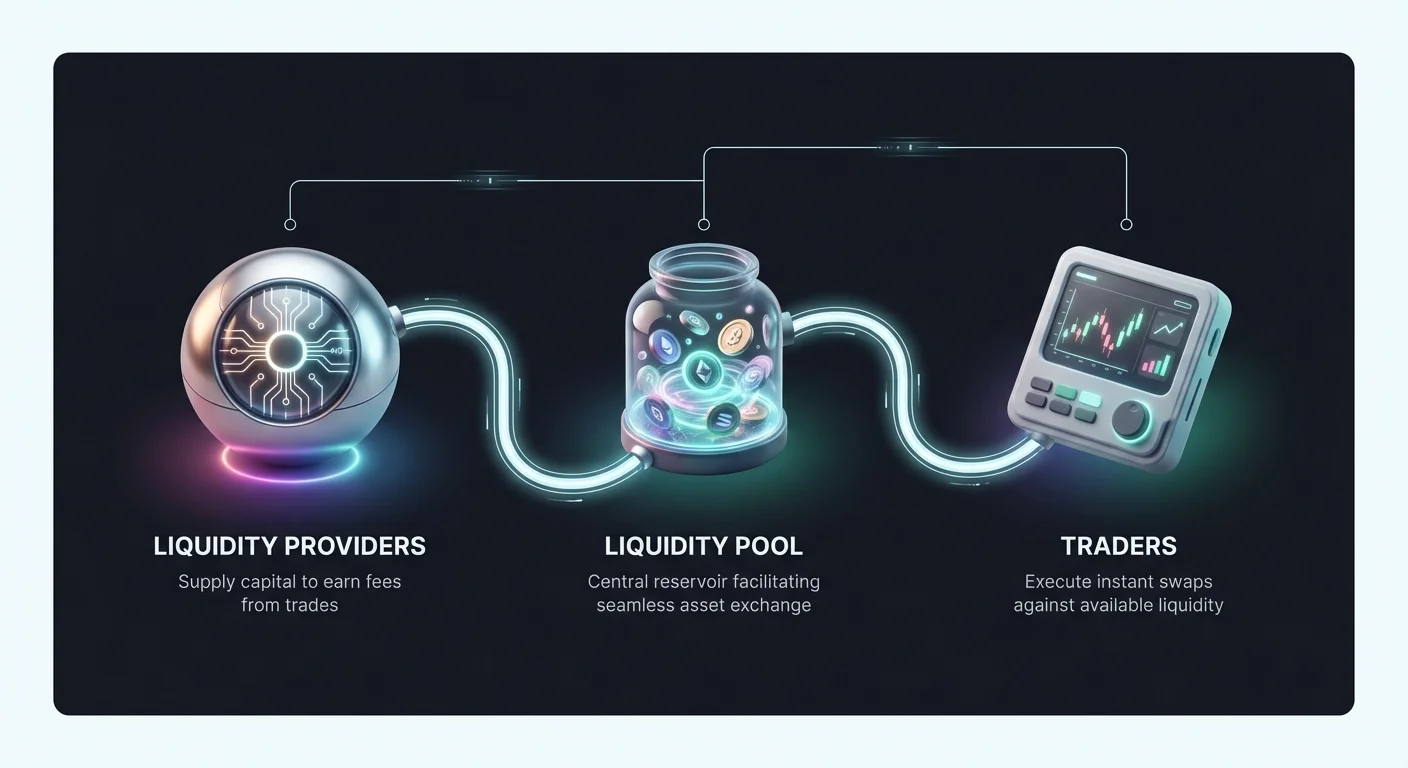
ผู้เข้าร่วมเหล่านี้ ซึ่งมักเรียกว่าผู้ให้สภาพคล่อง จะจัดหาเงินทุนที่ช่วยอำนวยความสะดวกในการซื้อขายให้ผู้อื่น แลกเป็นค่าธรรมเนียมหรือดอกเบี้ย สร้างความสัมพันธ์แบบ symbiote ระหว่างเทรดเดอร์ที่ต้องการการดำเนินการและผู้ให้ที่ต้องการผลตอบแทน การทำความเข้าใจกลไกเหล่านี้ว่าทำงานอย่างไรจึงจำเป็นสำหรับผู้ที่ต้องการเข้าร่วมในตลาด ไม่ว่าจะในฐานะเทรดเดอร์ที่ active หรือ earner แบบ passive
ภูมิทัศน์ของการให้สภาพคล่องได้พัฒนาไปอย่างมาก เริ่มต้นจากโมเดล order book แบบดั้งเดิมบน centralized exchanges และขยายไปรวมถึง automated market makers (AMMs) peer-to-peer (P2P) swap protocols และ algorithmic grid trading strategies แต่ละวิธีมีข้อดีที่แตกต่างกันและมีความเสี่ยงเฉพาะ
คู่มือนี้สำรวจกลไกการทำงานเบื้องหลังระบบเหล่านี้ โดยตรวจสอบว่าสวอปถูกดำเนินการอย่างไร กลยุทธ์อัตโนมัติบรรเทาความผันผวนอย่างไร และแพลตฟอร์ม lending ใช้ collateral เพื่อสร้างสภาพคล่องอย่างไร โดยการแยกส่วนประกอบเหล่านี้ นักลงทุนสามารถนำทางความเป็นจริงทางเทคนิคและการเงินของการให้สภาพคล่องในพื้นที่สินทรัพย์ดิจิทัลได้ดีขึ้น
พื้นฐานของ Crypto Swaps และกลไกการแลกเปลี่ยน
รูปแบบพื้นฐานที่สุดของการใช้สภาพคล่องเกิดขึ้นระหว่าง token swap ซึ่งแตกต่างจากกลยุทธ์การซื้อขายที่ซับซ้อนซึ่งอาจเกี่ยวข้องกับ derivatives หรือ leverage สวอปคือการแลกเปลี่ยน cryptocurrency หนึ่งเป็นอีกตัวหนึ่งโดยตรง กระบวนการนี้พึ่งพาสภาพคล่องพื้นฐานบนแพลตฟอร์มอย่างมากเพื่อให้แน่ใจว่าธุรกรรมจะ settled ทันทีและในราคาที่คาดการณ์ได้
Direct Asset Exchange Protocols
แพลตฟอร์ม crypto swap ทำหน้าที่เป็น gateway สำหรับการแปลงสินทรัพย์ทันที แพลตฟอร์มเหล่านี้แตกต่างจาก trading interfaces แบบดั้งเดิมโดยการลบความซับซ้อนของ order books charts และ manual order matching แทนที่ด้วยอินเทอร์เฟซที่ streamlined ซึ่งผู้ใช้ป้อนจำนวนสินทรัพย์ A ที่ต้องการขาย และระบบคำนวณจำนวนสินทรัพย์ B ที่จะได้รับ
เบื้องหลัง แพลตฟอร์มรวบรวมสภาพคล่องจากแหล่งต่าง ๆ เพื่อตอบสนองคำขอนี้ ใน non-custodial swap environments แพลตฟอร์มไม่ถือครองเงินของผู้ใช้ แต่ช่วยอำนวยการโอนโดยตรงระหว่าง wallets หรือใช้ smart contracts เพื่อดำเนินการ trade ลด counterparty risk เนื่องจากผู้ใช้ยังคงควบคุม private keys ตลอดกระบวนการ
ประสิทธิภาพในโมเดลนี้วัดจากความเร็วของ settlement และความแม่นยำของอัตราแลกเปลี่ยน High-performance swap engines สามารถ complete ธุรกรรมได้ในไม่กี่นาที โดยใช้ deep liquidity pools เพื่อลดความแตกต่างระหว่างราคาที่คาดหวังและราคาการดำเนินการสุดท้าย ความแตกต่างนี้ที่เรียกว่า slippage เป็นความกังวลหลักสำหรับผู้ให้สภาพคล่องและเทรดเดอร์เช่นกัน
Comparing Centralized and Decentralized Execution
การดำเนินการสวอปแตกต่างกันอย่างมากขึ้นอยู่กับว่าเกิดบน centralized exchange (CEX) หรือ decentralized exchange (DEX) แพลตฟอร์ม centralized ทำหน้าที่เป็น intermediaries ถือครอง custody ของสินทรัพย์และ match buy และ sell orders ภายใน internal database ทำให้มี execution speeds ที่เร็วมากและสภาพคล่องสูง เนื่องจากแพลตฟอร์มรวบรวม orders จากผู้ใช้หลายล้านคน
Decentralized exchanges ทำงานบน premise ที่แตกต่าง โดยไม่มี central authority พึ่งพา code และ smart contracts เพื่อจัดการ trades ผู้ใช้ trade โดยตรงกับกันและกันหรือกับ liquidity pool เพิ่ม privacy และ security เนื่องจากเงินไม่ถูกเก็บใน central server ที่เสี่ยงต่อการถูก hack อย่างไรก็ตาม สภาพคล่องบน DEX สามารถ fragmented ได้ ส่งผลให้ volatility ใน execution prices สูงขึ้นสำหรับ large orders
Hybrid exchanges พยายาม merge ปรัชญาเหล่านี้ เพื่อนำเสนอสภาพคล่องและความเร็วของระบบ centralized ขณะที่ integrate non-custodial security features ของ decentralized protocols แพลตฟอร์มเหล่านี้ช่วยให้ผู้ใช้ retain ownership ของเงินจนถึงเวลาการ trade ให้ balanced approach ในการเข้าถึงสภาพคล่อง
The Role of Liquidity Providers in Swaps
ทุกสวอปต้องการ counterparty ใน traditional markets บทบาทนี้ filled โดย professional market makers ใน crypto ecosystem การให้สภาพคล่องมัก democratized บุคคลสามารถ deposit สินทรัพย์ลงใน pools ที่ facilitation swaps สำหรับผู้อื่น เมื่อเทรดเดอร์ execute สวอป พวกเขาจ่ายค่าธรรมเนียมเล็กน้อย ค่าธรรมเนียมนี้ถูกแจกจ่ายให้ผู้ให้สภาพคล่อง proportional ตาม share ใน pool
กลไกนี้แปลงสินทรัพย์ idle เป็น productive capital แทนที่จะ hold โทเค็นและหวังว่าราคาจะขึ้น นักลงทุนสามารถ contribute ต่อประสิทธิภาพตลาด อย่างไรก็ตาม การ participate นี้ต้องการความเข้าใจลึกซึ้งใน fee structures และความเสี่ยง หากมูลค่าของ pooled assets เปลี่ยนแปลง drastically ผู้ให้อาจประสบ phenomenon ที่มูลค่าพอร์ตโฟลิโอต่ำกว่าถ้าพวกเขา hold สินทรัพย์ใน wallet ธรรมดา
Automated Market Strategies และ Grid Trading
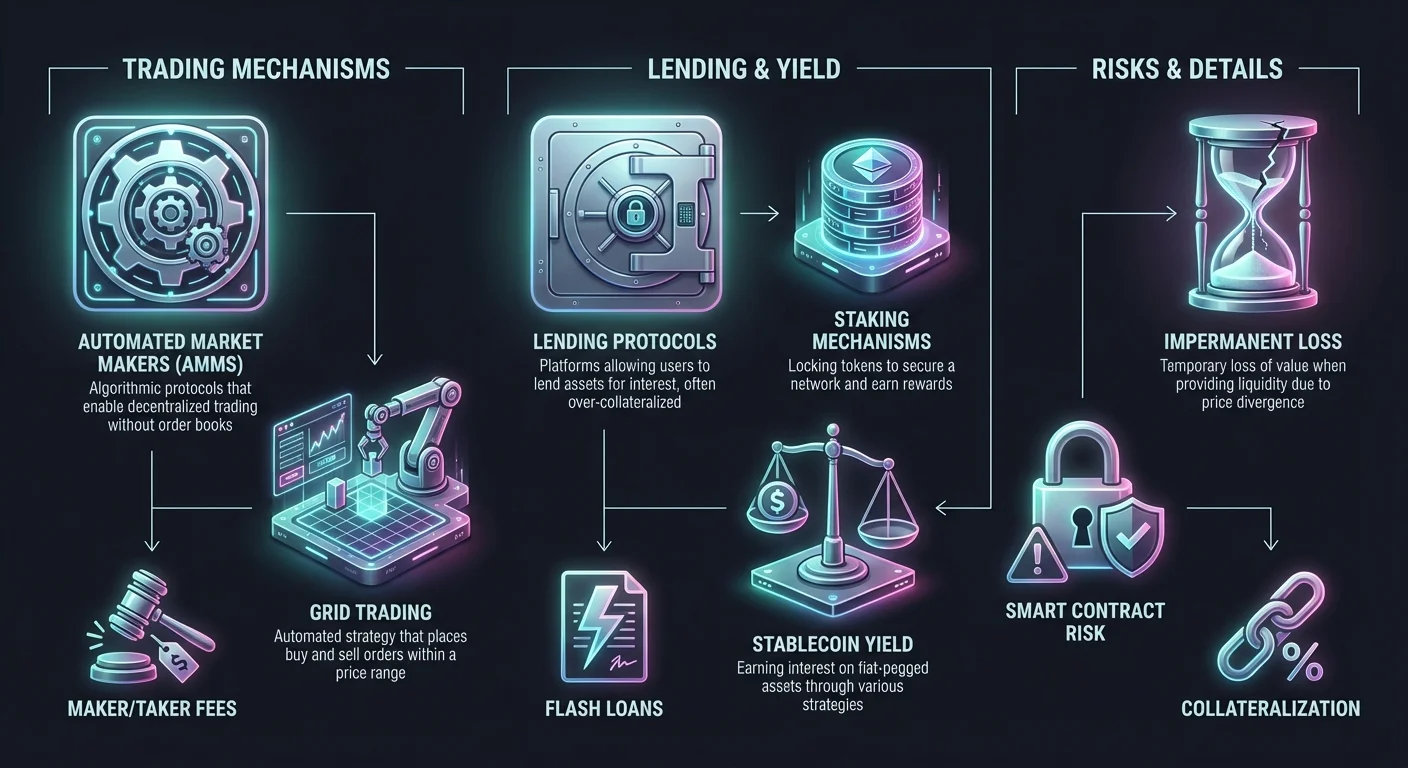
หนึ่งในวิธีที่มีประสิทธิภาพที่สุดในการให้สภาพคล่องและจัดการความเสี่ยงคือผ่าน automated trading strategies Grid trading เป็นตัวอย่างหลักของ systematic approach ที่ mimics ฟังก์ชันของ Automated Market Maker (AMM) โดยสร้าง web ของ buy และ sell orders ข้าม price range เฉพาะ
Mechanics of Grid Trading Systems
Grid trading เป็น automated strategy ที่ออกแบบมาเพื่อ profit จาก market volatility เทรดเดอร์หรือผู้ให้สภาพคล่องเลือก price range สำหรับสินทรัพย์เฉพาะและแบ่งเป็น multiple levels หรือ "grids" ระบบจะ place buy orders อัตโนมัติที่ lower levels และ sell orders ที่ higher levels เมื่อราคาตลาดผันผวนใน range นี้ bot จะ execute trades อย่างต่อเนื่อง
เมื่อราคาตก ระบบซื้อสินทรัพย์ที่ pre-set intervals เมื่อราคาขึ้น มันขาย accumulated assets ที่ profit การ buying และ selling ต่อเนื่องนี้ให้สภาพคล่องแก่ตลาด เนื่องจากมี open orders พร้อม fill เสมอ สำหรับผู้ใช้ มันแปลง market volatility เป็น stream ของ small profits โดยไม่ต้อง monitor manual ตลอดเวลา
กลยุทธ์นี้ effective โดยเฉพาะใน sideways หรือ ranging markets ที่ราคา bounce ระหว่าง support และ resistance levels โดยไม่ establish strong trend ในสภาพเช่นนี้ buy-and-hold strategy อาจให้ zero returns ในขณะที่ grid strategy สามารถ capture value จากทุก small oscillation
Mitigating Volatility Through Automation
Volatility มัก viewed เป็นความเสี่ยง แต่สำหรับผู้ให้สภาพคล่องที่ใช้ grid systems มันคือ source ของ yield โดย automate การตอบสนองต่อ price moves grid trading ลบ emotional component ของ investing เทรดเดอร์มนุษย์มัก panic ใน dips หรือ euphoric ใน rallies นำไปสู่ poor decision-making Automated systems ยึดติดกับ pre-defined logic อย่างเคร่งครัด
นอกจากนี้ grid trading ทำหน้าที่เป็น impermanent loss mitigation ใน standard liquidity pool หากราคาของสินทรัพย์หนึ่ง decouples อย่างมีนัยสำคัญจากอีกตัว ผู้ให้จะ end up holding large bag ของ deprecating asset Grid trading ช่วยให้ผู้ใช้ define specific range ที่ยินดี trade หากราคา exit range นี้ ระบบสามารถ set เพื่อ stop trading จำกัด exposure ต่อ extreme market crashes หรือ run-ups
การ customize grid parameters ช่วยให้ risk management ได้อย่างแม่นยำ ผู้ใช้ปรับ grid spacing (ช่องว่างระหว่าง orders) และ total number of grids Narrow spacing execute trades มากขึ้นด้วย smaller profits ต่อ trade เหมาะสำหรับ high-frequency scalping Wider spacing execute trades น้อยกว่าแต่ capture larger price movements
Application Across Asset Classes
แม้มัก associate กับ volatile cryptocurrencies แต่ grid trading logic มี versatility สามารถ apply กับ stablecoin pairs (เช่น USDT/USDC) เพื่อ capture minute fluctuations ด้วย minimal risk ยังใช้ใน futures markets ที่เทรดเดอร์ apply leverage กับ grid strategies
Leveraged grid trading amplifies ทั้ง potential profits และ risks โดย borrow funds เพื่อ increase size ของ grid orders เทรดเดอร์สามารถ generate significant yield จาก relatively small price movements อย่างไรก็ตาม นำ risk ของ liquidation หากตลาด move sharply against grid range
สำหรับ beginners spot market grid trading แนะนำโดยทั่วไป ซึ่ง trade ด้วย actual assets แทน derivatives ลบ risk ของ liquidation Worst-case ใน spot grid trading คือ hold portfolio ของ assets ที่ decrease มูลค่า แทนการสูญเสีย entire principal จาก margin call
โปรโตคอลการให้กู้ยืมและการสร้างผลตอบแทน
การให้สภาพคล่องไม่ได้จำกัดอยู่ที่คู่การซื้อขายเท่านั้น ตลาดการให้กู้ยืมเป็นภาคส่วนขนาดใหญ่ของเศรษฐกิจคริปโตที่สภาพคล่องได้มาจากผู้ฝากและมอบให้ผู้กู้ กลไกนี้เลียนแบบธนาคารแบบดั้งเดิมแต่ดำเนินการด้วยความโปร่งใสและความเร็วที่สูงกว่า
โครงสร้างของการให้กู้ยืมคริปโต
แพลตฟอร์มการให้กู้ยืมคริปโตทำหน้าที่เป็นตลาดทุน ผู้ให้กู้ฝากสินทรัพย์ดิจิทัลของตนลงในพูล ซึ่งจะถูกนำเสนอให้ผู้กู้ แลกกับการให้สภาพคล่องนี้ ผู้ให้กู้จะได้รับดอกเบี้ย อัตราดอกเบี้ยมักเป็นแบบไดนามิก โดยกำหนดจากอุปทานของเงินทุนและความต้องการจากผู้กู้
ผู้กู้ใช้เงินทุนเหล่านี้เพื่อวัตถุประสงค์ต่างๆ เช่น ทุนการซื้อขาย อาร์บิทราจ หรือความต้องการสภาพคล่องส่วนบุคคล แตกต่างจากสินเชื่อแบบดั้งเดิมที่อาศัยคะแนนเครดิต สินเชื่อคริปโตเกือบทั้งหมดได้รับการรับประกันด้วยหลักประกัน เพื่อกู้ยืมเงิน ผู้ใช้ต้องฝากสินทรัพย์คริปโตเคอร์เรนซีที่มีมูลค่ามากกว่าจำนวนเงินกู้
การวางหลักประกันเกินกว่าที่กำหนดนี้ช่วยรับประกันความมั่นคงทางการเงินของระบบ หากผู้กู้ผิดนัดชำระหรือมูลค่าหลักประกันลดลงต่ำเกินไป แพลตฟอร์มจะขายหลักประกันโดยอัตโนมัติเพื่อชดใช้ให้ผู้ให้กู้ กลไกนี้ปกป้องผู้ให้สภาพคล่องจากหนี้เสียและรับประกันว่าต้นเงินของพวกเขาปลอดภัย
การวางหลักประกันและอัตราส่วนสินเชื่อต่อมูลค่า
ความสัมพันธ์ระหว่างจำนวนเงินกู้และมูลค่าหลักประกันถูกกำหนดโดยอัตราส่วน Loan-to-Value (LTV) ตัวอย่างเช่น แพลตฟอร์มอาจเสนอ LTV 50% ซึ่งหมายความว่าเพื่อกู้ $5,000 ผู้ใช้ต้องฝาก Bitcoin มูลค่า $10,000 เป็นหลักประกัน
อัตราส่วน LTV ทำหน้าที่เป็นเครื่องมือจัดการความเสี่ยง อัตราส่วน LTV ที่ต่ำกว่าสร้างบัฟเฟอร์ความปลอดภัยที่ใหญ่กว่าสำหรับผู้ให้กู้ หากตลาดปรับตัวลดลง จะมีพื้นที่เหลือเฟือก่อนที่มูลค่าหลักประกันจะต่ำกว่ามูลค่าเงินกู้ อัตราส่วน LTV ที่สูงกว่าช่วยให้ผู้กู้ใช้ทุนได้อย่างมีประสิทธิภาพมากขึ้นแต่เพิ่มความเสี่ยงของการลิควิเดต
การลิควิเดตเป็นแนวคิดสำคัญในการให้สภาพคล่องกู้ยืม หากมูลค่าตลาดของหลักประกันลดลงถึงเกณฑ์เฉพาะ (เช่น LTV 80%) จะมีการเรียก margin call ผู้กู้ต้องเพิ่มหลักประกันหรือชำระคืนส่วนหนึ่งของเงินกู้ทันที หากไม่ทำเช่นนั้น โปรโตคอลจะลิควิเดตสินทรัพย์ของพวกเขา การบังคับใช้เงื่อนไขสัญญาโดยอัตโนมัตินี้คือสิ่งที่ทำให้คู่กรณีที่ไม่เปิดเผยตัวตนสามารถทำธุรกรรมด้วยความไว้วางใจได้
สินเชื่อที่ไม่มีหลักประกันและสภาพคล่องแฟลช
ในขณะที่การให้กู้ยืมคริปโตส่วนใหญ่มีหลักประกัน มีตลาดเกิดใหม่สำหรับสินเชื่อที่ไม่มีหลักประกันและผลิตภัณฑ์เฉพาะทางเช่น flash loans สินเชื่อที่ไม่มีหลักประกันมักต้องการการยืนยันตัวตนที่เข้มงวดและการประเมินเครดิต ทำให้ใกล้เคียงกับโมเดลการเงินแบบดั้งเดิม (CeFi) มากขึ้น สิ่งเหล่านี้พบได้น้อยในสภาพแวดล้อมที่กระจายศูนย์อำนาจล้วนๆ เนื่องจากความยากลำบากในการบังคับชำระคืนโดยไม่มีหลักประกัน
Flash loans แสดงถึงรูปแบบการให้สภาพคล่องที่ไม่เหมือนใครซึ่งเป็นไปได้เฉพาะบนบล็อกเชนเท่านั้น สิ่งเหล่านี้คือสินเชื่อที่ไม่มีหลักประกันซึ่งต้องกู้และชำระคืนภายในบล็อกธุรกรรมบล็อกเชนเดียวกัน หากเงินไม่ถูกคืนภายในสิ้นธุรกรรม เงินกู้ทั้งหมดจะถูกยกเลิกราวกับไม่เคยเกิดขึ้น
Flash loans ช่วยให้เทรดเดอร์ทำอาร์บิทราจทันทีข้ามแพลตฟอร์มแลกเปลี่ยนต่างๆ โดยไม่จำเป็นต้องถือทุนจำนวนมหาศาล สำหรับผู้ให้สภาพคล่อง flash loans นำเสนอแหล่งผลตอบแทนที่มีความเสี่ยงผิดนัดเป็นศูนย์ เนื่องจากโปรโตคอลรับประกันว่ากองทุนจะถูกคืนหรือธุรกรรมล้มเหลวทั้งหมด
Savings Accounts และ Staking Mechanisms
สำหรับผู้ที่ต้องการ passive approach กับ liquidity provision มากขึ้น crypto savings accounts และ staking offer viable pathways วิธีเหล่านี้ allow users earn yield บน idle assets contribute ต่อ stability และ liquidity ของ ecosystem โดยไม่ต้อง active management
Centralized vs. Decentralized Savings
Crypto savings accounts offered โดย centralized platforms (CeFi) และ decentralized protocols (DeFi) CeFi platforms operate คล้าย banks Users deposit funds และ platform manages lending และ investment strategies เพื่อ generate yield Platforms เหล่านี้มัก offer user-friendly interfaces และ customer support ทำให้ accessible สำหรับ beginners
อย่างไรก็ตาม CeFi savings accounts involve counterparty risk ผู้ใช้ต้อง trust platform ในการ manage funds responsibly และ remain solvent ในทางตรงกันข้าม DeFi savings protocols ใช้ smart contracts เพื่อ automate lending process Users deposit funds โดยตรงลงใน contract ซึ่ง route capital ให้ borrowers หรือ liquidity pools
DeFi protocols มัก offer higher transparency เนื่องจาก transactions และ reserve levels ทั้งหมด verifiable บน blockchain แต่ introduce smart contract risk หาก code ที่ govern protocol มี bug หรือ vulnerability อาจถูก exploit ส่งผลให้สูญเสีย funds
Staking for Network Security and Liquidity
Staking เป็น distinct mechanism ที่มัก conflated กับ savings ใน Proof-of-Stake (PoS) blockchains เช่น Ethereum หรือ Solana staking involve locking up tokens เพื่อ support network's security และ transaction validation Validators ที่ process transactions chosen based on amount ของ stake ที่ hold
เมื่อ users stake tokens พวกเขา effectively provide liquidity ให้ network's security layer แลกเป็น rewards ในรูป newly minted tokens หรือ transaction fees เป็น foundational form ของ liquidity provision ที่ ensures blockchain remains operational และ secure against attacks
Liquid staking เป็น evolution ของ concept นี้ ใน traditional staking assets locked และไม่สามารถใช้ได้ Liquid staking protocols issue derivative token ที่ represent staked asset ช่วยให้ users earn staking rewards ขณะที่ retain tradable token ที่ใช้ใน DeFi applications อื่น ๆ เพิ่ม capital efficiency อย่างมีนัยสำคัญ
Stablecoin Yield Strategies
กลยุทธ์ยอดนิยมสำหรับ risk-averse liquidity providers คือ utilize stablecoins Stablecoins เป็น cryptocurrencies pegged กับ fiat currencies เช่น US Dollar โดย deposit stablecoins ลง savings accounts หรือ lending pools users สามารถ earn interest โดยไม่ exposure ต่อ price volatility ของ assets เช่น Bitcoin หรือ Ethereum
Interest rates บน stablecoins มัก higher กว่า traditional fiat savings accounts เนื่องจาก high demand สำหรับ stablecoin liquidity ใน crypto market Traders ต้องการ stablecoins เพื่อ enter และ exit positions และ borrowers ต้องการสำหรับ leverage Structural demand นี้ drives yield สำหรับ providers ที่ยินดี supply stable dollar-pegged liquidity
Exchange Types และ Fee Structures
สถานที่ที่ให้สภาพคล่อง dictates fee structure และ potential profitability สำหรับ provider การเข้าใจ nuances ระหว่าง exchange types ต่าง ๆ crucial สำหรับ optimizing returns
Maker vs. Taker Dynamics
ใน trading environments เกือบทุกแห่ง fees แบ่งเป็นสอง categories: maker fees และ taker fees Makers คือ liquidity providers พวกเขา place limit orders ที่ sit บน order book รอให้ filled โดยทำเช่นนั้น พวกเขา "make" market เพิ่ม depth และ stability
Takers คือ traders ที่ demand immediate liquidity พวกเขา place market orders ที่ filled ทันที against existing orders บน book Takers "take" liquidity away จาก market เนื่องจาก liquidity มีค่า exchanges มัก charge takers higher fees และ offer makers lower fees
ใน advanced trading ecosystems บางแห่ง makers อาจ pay zero fees หรือ receive rebate Negative fee structure นี้ effectively pays user เพื่อ provide liquidity สำหรับ professional market makers และ algorithmic traders capturing rebates เหล่านี้เป็น primary source ของ revenue
Zero-Fee Trading Models
บาง exchanges adopt zero-fee trading models เพื่อ attract users ใน scenarios เหล่านี้ platform อาจ waive fees บน specific pairs หรือ spot trading แม้ benefit trader แต่ changes incentives สำหรับ liquidity providers
บน zero-fee platforms exchange ต้อง generate revenue ผ่าน means อื่น เช่น wider spreads หรือ interest บน margin trading สำหรับ liquidity provider zero-fee environment อาจหมายถึงไม่มี direct trading fees เพื่อ earn แต่ platforms เหล่านี้มักมี high volume ซึ่ง beneficial สำหรับ strategies ที่ rely บน capturing spread ระหว่าง buy และ sell price
สำคัญที่จะ analyze true cost ของ "zero-fee" structures มัก cost hidden ใน spread หรือ withdrawal fees Providers ต้อง calculate ว่าค volume และ spread capture justify capital deployment ใน absence ของ explicit fee revenue หรือไม่
Hybrid and Derivative Exchanges
Hybrid exchanges offer blend ของ centralized speed และ decentralized security สำหรับ liquidity providers platforms เหล่านี้สามารถ offer unique opportunities อาจ allow non-custodial liquidity provision ขณะที่ maintain high-performance order book ที่ attracts institutional traders
Derivatives exchanges ที่ facilitate futures และ options trading require massive amounts ของ liquidity Platforms เหล่านี้ allow traders speculate บน price movements โดยไม่ hold underlying asset Liquidity providers บน derivatives platforms act เป็น counterparty ให้ leveraged positions เหล่านี้
Risk profile บน derivatives exchanges สูงกว่า Providers ต้อง manage exposure ต่อ leveraged positions และ potential สำหรับ rapid market moves ที่ cascade เข้า mass liquidations แต่ fees จาก leveraged trading volume มัก significantly higher กว่า spot markets offer risk premium ให้ sophisticated providers
Risk Management และ Security Considerations
การ participate ใน DeFi liquidity provision และ utilize crypto exchanges involve navigating complex landscape ของ risks จาก technical vulnerabilities ถึง market dynamics providers ต้อง implement robust mitigation strategies เพื่อ preserve capital
Impermanent Loss และ Volatility
Impermanent loss เป็น primary risk สำหรับ liquidity providers ใน AMMs เกิดขึ้นเมื่อราคาของ deposited assets diverges จากราคาที่ deposit เนื่องจาก mathematical formula ที่ AMMs ใช้เพื่อ maintain liquidity provider อาจ end up กับ greater quantity ของ less valuable asset และ smaller quantity ของ more valuable one
Loss นี้ termed "impermanent" เพราะหาก prices return ไป original state loss จะ disappear แต่หาก provider withdraws liquidity ขณะที่ prices divergent loss จะ permanent เพื่อ mitigate นี้ providers มัก choose pairs ด้วย high correlation (เช่น two stablecoins) หรือ utilize hedging strategies
Grid trading act เป็น functional hedge against volatility นี้ โดย actively buying low และ selling high ภายใน range strategy realizes profits along curve effectively locking in gains ที่ otherwise lost ต่อ impermanent loss ใน passive pool
Platform Security และ Custody
Security ของ platform เอง paramount Centralized exchanges hold user funds ใน custodial wallets หาก exchange hacked user funds at risk เพื่อ mitigate นี้ top-tier platforms employ cold storage ที่ vast majority ของ assets kept offline ใน hardware wallets inaccessible ต่อ internet-based attacks
Two-factor authentication (2FA) เป็น critical user-side security measure Require second form ของ verification เช่น code จาก mobile app เพื่อ authorize withdrawals ป้องกัน unauthorized access แม้ password compromised
ใน decentralized protocols security audits equivalent กับ cold storage Reputable protocols undergo rigorous code reviews โดย third-party security firms เพื่อ identify vulnerabilities Users ควร verify ว่า protocol ใด ๆ ที่ interact ถูก audited และมี bug bounty program เพื่อ incentivize white-hat hackers report issues แทน exploit
Regulatory และ Compliance Risks
Regulatory environment สำหรับ crypto constantly shifting Platforms ที่ compliant วันนี้ may face new rules พรุ่งนี้ Relevant โดยเฉพาะสำหรับ lending และ savings products ที่ draw scrutiny จาก financial regulators
Users ควร aware ของ jurisdiction ที่ platform operates Regulated platforms มักมี stricter identity verification (KYC) processes แต่ offer greater legal protections Unregulated หรือ anonymous platforms offer more privacy แต่ little recourse ใน event ของ dispute หรือ closure
Compliance also impacts taxation ใน many jurisdictions ทุก swap trade หรือ interest payment เป็น taxable event Liquidity providers ต้อง maintain detailed records ของ transactions เพื่อ accurately report earnings และ avoid penalties Platforms หลายแห่ง now provide tax reporting tools เพื่อ assist compliance burden นี้
| ประเภทความเสี่ยง | คำอธิบาย | กลยุทธ์การบรรเทา |
|---|---|---|
| ความสูญเสียชั่วคราว | การเบี่ยงเบนของสินทรัพย์ทำให้มูลค่าลดลง | เทรดคู่ที่มี correlation สูงหรือใช้ Grid Trading |
| การถูกแฮกของแพลตฟอร์ม | สูญเสียเงินเนื่องจาก security breach | ใช้ Cold Storage, 2FA และ Hardware Wallets |
| การถูกชำระบัญชี | Collateral ถูกขายเนื่องจากราคาตก | รักษา LTV ratios ที่ conservative |
Navigating Payment Methods และ Accessibility
สำหรับ liquidity providers เพื่อ operate effectively พวกเขาต้องการ efficient on-ramps และ off-ramps สำหรับ capital Accessibility ของ platform และ variety ของ payment methods ที่ supported play significant role ใน overall user experience
Funding และ Withdrawal Options
ความสามารถในการ move fiat currency เข้าและออกจาก crypto ecosystem มักเป็น hurdle แรก Top exchanges support wide array ของ payment methods รวมถึง bank transfers credit cards และ digital wallets เช่น PayPal Bank transfers มัก cost-effective ที่สุดสำหรับ large sums แม้ may take several days เพื่อ settle
Credit และ debit cards offer instant settlement แต่ usually come ด้วย high processing fees Fees เหล่านี้ directly eat into potential yield ของ liquidity provision strategy ดังนั้น providers มัก prefer bank wires หรือ P2P marketplaces ที่ negotiate rates โดยตรงกับ users อื่น
Withdrawal limitations เป็น factor อีก Withdrawal บาง platforms impose daily หรือ monthly limits บน capital ที่ remove ได้ สำหรับ large liquidity providers limits เหล่านี้สามารถ restrictive Verifying account tiers และ withdrawal policies ก่อน committing capital essential เพื่อ avoid liquidity traps ที่ funds accessible แต่ไม่ withdrawable
Global Accessibility และ Restrictions
Crypto เป็น global market แต่ access ไม่ uniform Local regulations มัก restrict specific services ใน certain countries เช่น derivatives trading หรือ high-yield lending products may banned ใน jurisdictions ด้วย strict financial controls
Platforms มัก use geo-blocking เพื่อ comply กับ laws เหล่านี้ User ใน United States might see different interface และ feature set กว่า user ใน Asia Using VPN เพื่อ bypass restrictions สามารถ violate platform's terms of service และ result ใน account freezing
Language support และ localized customer service เป็น indicators ของ platform's accessibility ด้วย Platforms ที่ดีที่สุด offer multilingual support และ interface options ensuring ว่า users สามารถ navigate complex financial terms ใน native language ลด risk ของ errors จาก misunderstanding platform mechanics
Conclusion
กลไกของ DeFi liquidity provision offer diverse array ของ opportunities สำหรับ capital generation และ market participation จาก simplicity ของ stablecoin savings accounts ถึง complexity ของ algorithmic grid trading มี strategy สำหรับ every risk appetite การเข้าใจ underlying mechanics—ว่าสวอป routed อย่างไร yields generated อย่างไร และ fees distributed อย่างไร—เป็น first step Toward successful engagement
อย่างไรก็ตาม opportunities เหล่านี้ inseparable จาก risks Volatility impermanent loss และ platform security remain constant challenges ที่ require vigilance และ disciplined risk management การ transition จาก passive holder เป็น active liquidity provider demands shift ใน mindset prioritizing preservation ของ capital alongside pursuit ของ yield โดย utilize robust platforms employ automated strategies เช่น grid trading และ maintain strict security protocols participants สามารถ effectively navigate dynamic landscape นี้
สภาพคล่องที่แท้จริงไม่ใช่แค่ volume แต่คือความยืดหยุ่นของ strategy ต่อ market volatility