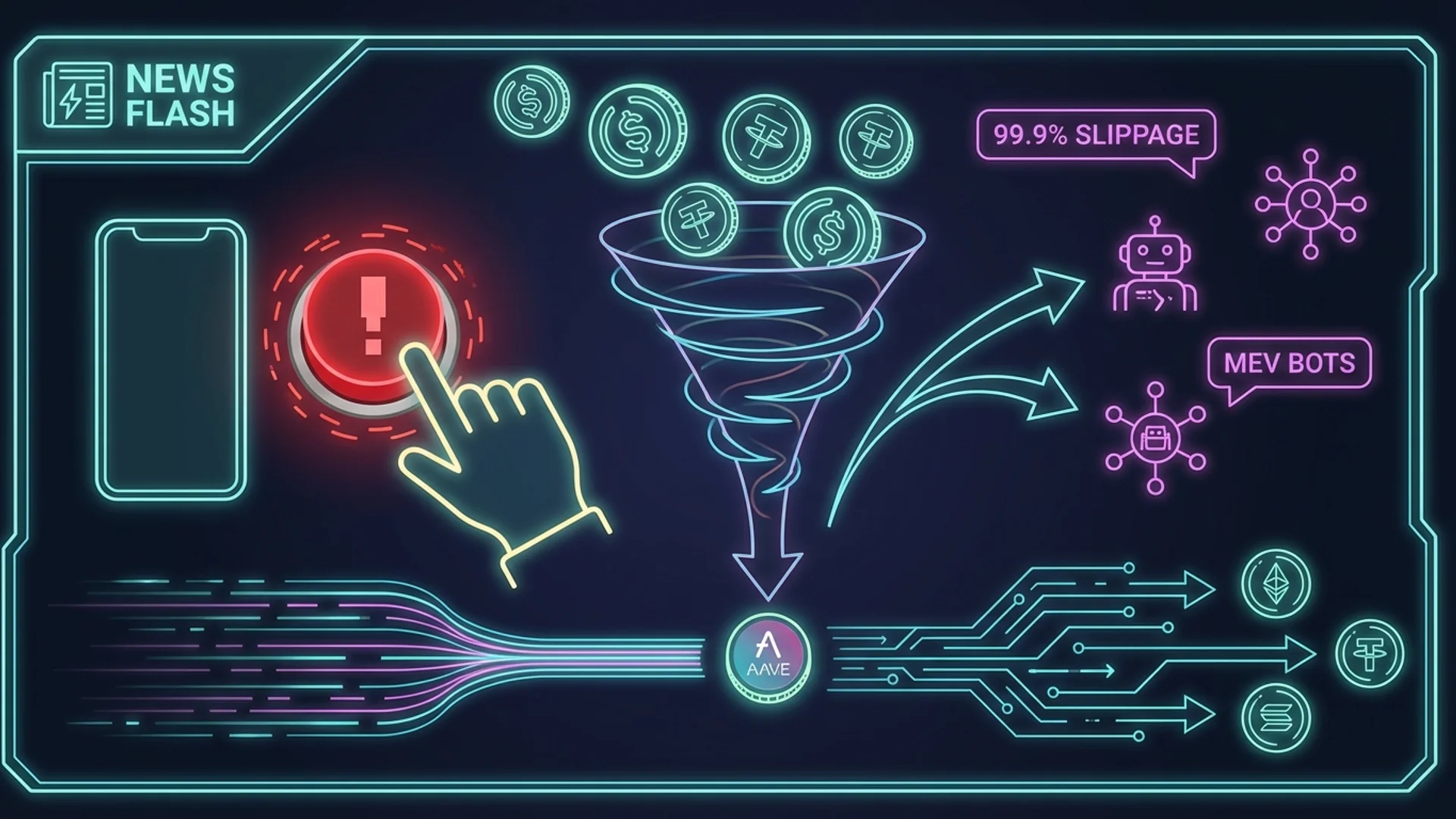
Mərkəzləşdirilməmiş maliyyə (DeFi) tarixində ən dağıdıcı hesab edilən "fat finger" səhvlərindən biri olaraq təsvir edilən bir hadisədə, bir kripto balina 12 mart 2026-cı ildə yeganə əməliyyatla faktiki olaraq 50 milyon dollar həcmində vəsaitin yox olmasına səbəb oldu. İstifadəçi 50.4 milyon dollar dəyərində USDT-ni AAVE tokenləri ilə mübadilə etməyə çalışdı, lakin likvidliyin fəlakətli dərəcədə az olması və nəzərə alınmayan təhlükəsizlik xəbərdarlıqları səbəbindən, o, o zaman təxminən 50,000 dollar dəyərində cəmi 324 AAVE tokeni aldı.
The trade, executed through the Aave interface via CoW Swap routing, highlighted the brutal reality of on-chain liquidity dynamics. In a typical liquid market, $50 million would purchase hundreds of thousands of AAVE tokens. However, by dumping such a massive order into a single on-chain path, the trader moved the price curve so aggressively that they paid an average price thousands of times higher than the actual market rate.
50 Milyon Dollarlıq Sürüşmənin Anatomiyası
The mechanics behind the loss are rooted in the Automated Market Maker (AMM) model used by most decentralized exchanges. Unlike centralized exchanges with order books, DEXs rely on liquidity pools. When a buy order is significantly larger than the available liquidity, the protocol must move further up the price curve to fill the request.
In this instance, the $50.4 million USDT swap exhausted the available AAVE at reasonable prices almost instantly. To fulfill the "signed" parameters of the trade, the routing protocol was forced to buy AAVE at astronomically inflated prices. This resulted in "slippage"—the difference between the expected price of a trade and the price at which the trade is actually executed—of nearly 99.9%.
Nəzərə Alınmayan Xəbərdarlıqlar və Mobil İcra
According to Aave Labs founder Stani Kulechov, the protocol’s interface functioned exactly as intended. The system identified the massive price impact and triggered a high-level alert. To proceed, the user had to manually acknowledge a warning about "extraordinary slippage" and confirm the risk by clicking a specific checkbox.
Data suggests the transaction was confirmed on a mobile device. Analysts speculate that the user may have been rushing or failed to grasp the magnitude of the warning displayed on a smaller screen. CoW Swap later confirmed that the transaction followed the exact parameters signed by the user, leaving no room for a technical "exploit" defense. This was a pure case of user error in a permissionless environment.
Pulu Hara Getdi?
The most pressing question for the community is where the lost $50 million actually went. Unlike a hack where funds are moved to a single wallet, this capital was distributed across the Ethereum ecosystem through several channels:
- MEV Bots: Maximum Extractable Value (MEV) bots were the primary beneficiaries. Reports indicate that ETH MEV bots pocketed approximately $9.9 million by front-running or sandwiching the transaction to capture the massive price discrepancy.
- Liquidity Providers: A significant portion of the "lost" USDT remains in the liquidity pools used for the swap. The arbitrageurs and providers who held AAVE on the other side of those pools essentially sold their tokens at a massive premium.
- Protocol Fees: The transaction generated roughly $600,000 in fees for the protocols involved. In a rare gesture of goodwill, Aave and CoW Swap have both pledged to return these specific fee amounts to the affected user.
İstifadəçi Muxtariyyəti və Qoruyucu Tədbirlər Mübahisəsi
The incident has reignited a fierce debate within the DeFi sector regarding the balance between user protection and the "code is law" philosophy. CoW Protocol addressed the blunder on X, stating that while they are reviewing safeguards, "preventing users from making trades removes choice and can lead to terrible outcomes in some situations."
The platform noted that DeFi user experience (UX) is still not where it needs to be to protect users from themselves. While the Aave interface provided a checkbox, the fact that a user could even execute a trade with 99.9% slippage is seen by some as a design flaw that needs addressing through more rigid "hard stops" or mandatory cooling-off periods for trades above certain values.
Yüksək Həcmli Treydirlər Üçün Əhəmiyyətli Dərslər
For crypto traders and those moving large sums of capital, this blunder serves as a grim reminder of the risks associated with on-chain swaps. Experts recommend several "best practices" to avoid similar catastrophes:
- Sürüşmə Tolerantlığını Yoxlayın: Sürüşmə limitlərinin həmişə 0.5% və ya 1% olaraq təyin edildiyinə əmin olun. Əgər ticarət bu hədlər daxilində yerinə yetirilə bilmirsə, protokol avtomatik olaraq onu ləğv etməlidir.
- Böyük Sifarişləri Bölüşdürün: 50 milyon dolları bir anda mübadilə etmək nadir hallarda səmərəlidir. Likvidliyin bərpa olunmasına imkan vermək üçün böyük ticarətlər bir neçə saat və ya gün ərzində daha kiçik "trançlara" bölünməlidir.
- MEV Müdafiəsindən İstifadə Edin: "Şəxsi" RPC son nöqtələrindən və ya xüsusi MEV-müdafiəli aqreqatorlardan istifadə etmək, yüksək təsirli ticarətlər zamanı botların dəyəri mənimsəməsinin qarşısını ala bilər.
While Aave Labs has expressed sympathy and is attempting to contact the user, there is no "undo" button for the $50 million loss. In the world of DeFi, the freedom to be your own bank comes with the absolute responsibility of managing your own safety.